
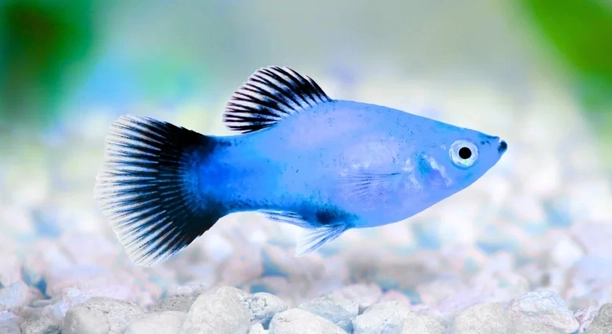
Platies are popular freshwater fish that many people enjoy keeping at home. Knowing when a platy is pregnant helps owners care for her properly. This article shares clear ways to recognize pregnancy in your platy fish.
Pregnant platies show specific signs such as a swollen belly, a dark gravid spot near the anal fin, and changes in behavior like hiding more often. These indicators help distinguish pregnant females from non-pregnant ones with accuracy.
Recognizing these signs early ensures better care for the mother and her future fry, making the process easier for any platy keeper.
Physical Changes in the Belly
One of the clearest signs of pregnancy in a platy is the noticeable change in her belly size and shape. As the fry develop inside, the belly becomes rounder and larger, especially near the rear of the fish. This swelling usually starts to show a few weeks after mating. The belly may look like it is stretching or swollen compared to before. It’s important to observe this change slowly over time rather than expecting it to happen overnight. Along with the size, the skin may look tighter and smoother. Sometimes, the platy may hold her fins differently to support the added weight. These physical changes are easier to spot when you regularly watch your fish and get familiar with their normal appearance. Taking note of the growing belly is a practical way to confirm pregnancy without needing any special tools or tests.
The belly’s growth is a reliable visual indicator and helps differentiate a pregnant platy from other conditions like bloating or illness.
Knowing when the belly changes will help you prepare the tank for the upcoming fry and adjust feeding routines for the mother.
The Gravid Spot
The gravid spot is a dark area near the anal fin of a female platy, which becomes more visible when she is pregnant. It is a natural part of her body and grows darker as the pregnancy progresses. This spot is actually where the developing fry are attached inside her. Not all platies show a very clear gravid spot, but most will have some degree of darkening that can be noticed with close observation. The color of the spot can vary from gray to almost black. Sometimes it may look like a shadow or a patch of pigment that wasn’t as obvious before pregnancy. Watching this spot regularly allows you to estimate how far along the pregnancy is. As the fry grow bigger, the gravid spot tends to become larger and more defined. This sign is helpful because it can be seen even when the belly is not yet very swollen.
The gravid spot provides a useful visual clue for confirming pregnancy and tracking its progress.
It is important to keep the tank clean and stress-free once the gravid spot becomes noticeable, as the female will need a calm environment during this time.
Changes in Behavior
Pregnant platies often become less active and seek hiding places more frequently. They may avoid other fish and spend time near plants or decorations.
This change helps the female feel safe as she prepares to give birth. Reduced movement conserves energy and lowers stress, which is important during pregnancy. You might notice her swimming slower or resting in quiet corners of the tank. Sometimes, she may even refuse food or eat less than usual. This behavior is natural and shows she is focusing on protecting herself and her developing fry. Providing plenty of hiding spots makes her more comfortable during this time.
Observing these shifts in activity is a simple way to track pregnancy without disturbing the fish.
Appetite Shifts
It is common for a pregnant platy’s appetite to change throughout her pregnancy. At first, she may eat more as her body needs extra nutrients to support the growing fry. Later, her appetite often decreases as she prepares to give birth.
Feeding her a balanced diet with high-quality flakes, frozen foods, or live foods will help keep her healthy. Avoid overfeeding, which can cause water quality problems and stress. Offering smaller meals multiple times a day can encourage eating without overwhelming her system. Paying attention to these appetite shifts helps ensure she gets the right nutrition. Watching her eating habits closely gives clues about her pregnancy stage and well-being. Adjusting feeding routines is a practical way to support her during this important time.
Frequent Resting
Pregnant platies tend to rest more often than usual. They may stay near the bottom of the tank or on plants to conserve energy.
This resting behavior helps reduce stress and supports the female’s health during pregnancy. It also allows her to prepare for the energy needed when giving birth.
Enlarged Anal Fin
The anal fin of a pregnant platy can appear larger or more rounded. This change is subtle but noticeable when compared to non-pregnant females.
This happens because the area around the fin supports the developing fry inside the body. Watching the fin closely alongside other signs can help confirm pregnancy.
Swimming Patterns
A pregnant platy may swim more slowly or carefully. She avoids sudden movements and stays close to shelter in the tank.
This cautious swimming helps her feel safe and prevents injury to herself or the fry she carries. It is a natural way to protect both mother and babies during pregnancy.
FAQ
How long does a platy stay pregnant?
A platy’s pregnancy usually lasts between 24 to 30 days. This period can vary slightly depending on water temperature and the health of the female. Warmer water tends to speed up the development of the fry, while cooler water can slow it down. Monitoring your platy regularly during this time helps you know when to expect the birth.
Can a platy be pregnant without a male?
Yes, female platies can store sperm from previous encounters and become pregnant later without a male nearby. This means a single female can have multiple pregnancies from one mating. It’s important to separate females if you want to control breeding in your tank.
What should I feed a pregnant platy?
Pregnant platies benefit from a high-quality diet rich in protein and nutrients. You can feed them flakes designed for livebearers, as well as frozen or live foods like brine shrimp and daphnia. These help support the female and promote healthy fry development. Feeding small amounts several times a day works best.
How can I prepare the tank for pregnant platies?
Create plenty of hiding spots with plants and decorations where the female can feel safe. Keep water clean and stable, with temperatures around 75–78°F (24–26°C). Avoid aggressive tank mates that may stress or harm the pregnant platy or her fry.
Will the male platy bother the pregnant female?
Males can sometimes stress pregnant females by constantly chasing them. If this happens, it’s a good idea to separate the female until after she gives birth. Reducing stress during pregnancy helps prevent health problems and increases fry survival.
How many fry can a platy have at once?
A single pregnancy can result in 20 to 50 fry, depending on the female’s size and health. Larger females generally produce more fry. After birth, the mother does not care for the young, so providing hiding places is crucial for their survival.
How do I know when the platy is about to give birth?
Before giving birth, a pregnant platy may become restless and swim near the surface or hiding spots. Her belly may look very large and tight. You might see her flare fins or hide more often. These are signs that the birth is near, usually within a day or two.
Can I keep the fry with the mother?
It is not recommended to keep fry with the mother because she may eat them. To protect the young, use a breeding box or separate tank. This gives fry a better chance to grow without danger from adults.
What water conditions are best for pregnant platies?
Stable, clean water with a pH between 7.0 and 8.0 is ideal. Maintain a temperature between 75 and 78°F (24–26°C) to support healthy development. Regular water changes and filtration help keep the environment safe for both mother and fry.
Is it normal for a pregnant platy to hide a lot?
Yes, hiding is normal and natural. Pregnant platies seek shelter to avoid stress and potential threats. Providing plenty of plants and decorations allows them to feel secure during pregnancy. This behavior helps protect the mother and her unborn fry.
Knowing how to tell if a platy is pregnant can make a big difference in how you care for her. Recognizing the signs early, like changes in belly size, the gravid spot, or shifts in behavior, helps you provide the right environment and nutrition. This care supports the health of both the mother and the developing fry. Watching your platy closely over time allows you to notice these subtle changes before the birth happens. Paying attention to these details is a simple way to improve the chances of a successful pregnancy and healthy baby fish.
Taking care of a pregnant platy also means preparing the tank properly. Providing plenty of hiding places and keeping water conditions stable lowers stress on the female. Pregnant platies can become more shy and less active, so a calm environment is important. Good water quality and proper temperature help the fry grow strong inside their mother. Adjusting feeding routines to give the female nutritious, small meals helps her stay healthy. These small changes show that you are paying attention to her special needs during pregnancy.
Being able to identify pregnancy signs and care for your platy during this time can make the experience rewarding. It allows you to see the growth and arrival of new life in your tank. Each pregnancy is a chance to learn more about your fish and their habits. With the right care and patience, you can enjoy watching your platy family grow and thrive. This knowledge will also help you plan for future breeding and provide a better home for your aquatic pets.

Hello,
If you enjoy the content that we create, please consider saying a "Thank You!" by leaving a tip.
Every little bit helps us continue crafting quality advice that supports the health, happiness, and well-being of pets around the world, for pets of all shapes, sizes, and species.
We really appreciate the kindness and support that you show us!