
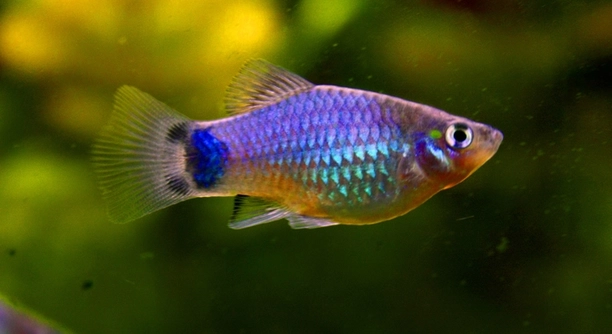
Platies are popular freshwater fish known for their bright colors and easy care. Many fish owners enjoy watching their behavior and wonder if these small creatures can learn simple tricks. Training fish to respond to objects is a fun idea for some aquarium enthusiasts.
Platies can be trained to follow objects with patience and consistent practice. They respond to visual cues and can learn to associate certain movements or items with feeding time. While not as trainable as some pets, their behavior can be gently guided.
Understanding how to engage with platies can improve their interaction and overall activity in the tank. This article will explain the basics of training them to follow objects and what to expect during the process.
How Platies Respond to Visual Stimuli
Platies are small fish that rely heavily on their eyesight to interact with their environment. They notice movement and colors, which helps them find food and avoid danger. When you move an object near their tank, they often become curious and may follow it. This natural curiosity is a key factor in training them to follow objects. However, their attention span is short, so training sessions should be brief and consistent. Using bright, small objects that mimic food can encourage platies to respond better. Over time, they can learn to recognize the object as something interesting or related to feeding. The success of this training depends on patience and repetition. Not every platy will react the same way; some are more responsive than others. Keeping the environment calm and quiet helps the fish focus during training.
Training platies takes gentle and regular effort. They are not quick learners but can develop simple responses to objects.
Platies’ behavior is influenced by their instincts and environment. Using objects with vivid colors or patterns attracts their attention better. Consistent signals, like moving an object in the same way each time, help the fish form associations. It is important to avoid sudden movements or loud noises, which can scare them. Feeding them right after the training session reinforces the connection between the object and a reward. You may notice some platies start swimming toward the object or following its path in the tank. These small changes show progress and encourage continuing the training. Patience is key, and it helps build a calmer, more interactive aquarium experience.
Tools and Techniques for Training Platies
Simple tools like small colored sticks or floating objects work well for training platies. These items should be safe for aquarium use and easy to move around.
When training platies, use slow and deliberate motions with the object. Begin by holding the item near the fish to catch their attention. Reward their interest with food right after. Repeating this several times a day in short sessions will help the fish make connections. Consistency in timing and object movement improves results. Avoid overfeeding during training to keep the fish healthy. Observing the fish’s reactions helps adjust the approach, such as changing the object’s color or movement speed. Some owners use a pointer or small light to guide the fish gently. The goal is to create positive interactions without stressing the fish. Over weeks, platies may begin to follow the object reliably, showing they have learned to respond. Regular practice also keeps the fish engaged and active in their tank environment.
Common Challenges When Training Platies
Platies can be easily distracted by other tank activity or sudden movements. This makes training harder if the environment is noisy or busy. Their short attention span means sessions should be brief to keep them focused.
Sometimes platies do not respond well to certain objects because of color or size. They might ignore the item or swim away if it feels threatening. It’s important to choose small, bright objects that don’t frighten them. Overfeeding during training can also cause the fish to lose interest. If they are full, they won’t be motivated to follow objects for food. Watching their behavior closely helps identify what works best. Adjusting the object or training routine can solve most problems.
Stress is another challenge for platies during training. If the tank water quality is poor or other fish are aggressive, platies may become less active and uninterested. Stress lowers their willingness to interact, so maintaining a calm, healthy tank is essential. Keeping training positive and consistent helps build trust and reduces anxiety.
Benefits of Training Platies to Follow Objects
Training platies can increase their activity levels and reduce boredom. When fish are engaged, they tend to be healthier and display natural behaviors more often.
Following objects can also make platies easier to feed. They learn to recognize feeding cues and respond quickly, which can help prevent overfeeding or competition among tank mates. Training strengthens the bond between owner and fish, creating a more enjoyable aquarium experience. It encourages observation and patience, which improve fish care overall. This simple interaction helps platies feel more comfortable in their environment and reduces stress. Regular training sessions also provide mental stimulation, keeping the fish curious and lively. This benefit goes beyond just following objects and adds to their overall well-being.
How to Start Training Your Platies
Begin with short sessions, about five minutes each, once or twice daily. Use a small, brightly colored object to catch their attention.
Place the object near the platies slowly and watch their reaction. Reward them with food right after they follow or show interest in it.
Signs Your Platies Are Learning
Platies that start swimming toward the object or follow its movement show they are learning. Increased interest and quicker responses are good signs.
Over time, they may come to expect the object as a cue for feeding, which strengthens their response and behavior.
Mistakes to Avoid When Training Platies
Avoid sudden movements or loud noises, as these can scare the fish and disrupt training. Keep sessions calm and consistent.
When to Be Patient
Training platies takes time. Some fish learn faster, others need more practice. Don’t rush the process or expect instant results.
Can platies really learn to follow objects?
Yes, platies can learn to follow objects, though their learning ability is limited compared to pets like dogs or cats. They respond mainly to visual cues and associate certain objects with food or attention. With regular practice and gentle training, they can recognize and follow a moving object in their tank. It takes patience and consistency, but their natural curiosity helps them engage with the training.
How long does it take to train a platy to follow an object?
Training times vary depending on the individual fish and the method used. Some platies may start showing interest after a few days of short sessions, while others may take weeks to respond consistently. The key is to keep sessions brief and frequent, rewarding the fish promptly. Patience is essential, and progress can be slow but steady.
What kind of objects work best for training?
Small, bright-colored objects work best because platies are attracted to colors and movement. Avoid large or dark items that might scare them. Items like tiny plastic sticks, colored beads, or floating toys made for aquariums are ideal. The object should be safe for aquarium use and easy to move gently within the tank.
Can I train multiple platies at once?
Yes, you can train multiple platies together, but keep in mind that individual fish may react differently. Some might follow the object quickly, while others may ignore it. Training in small groups helps avoid competition during feeding time and allows you to observe which fish respond best.
Is training stressful for platies?
Training should never be stressful. If the fish show signs of fear or hide often during sessions, reduce the intensity or length of training. Always keep movements slow and calm. A healthy tank environment also minimizes stress. Training should be a positive experience that encourages activity, not fear.
How often should I train my platies?
Short sessions once or twice daily are ideal. Each session should last about five minutes to match their attention span. Overtraining can cause stress or loss of interest, so it’s better to keep it light and consistent. Regular practice helps maintain their response and engagement.
Can training improve my platies’ health?
Training encourages movement and mental stimulation, which benefits their health. Active fish tend to be healthier and less prone to illness. It also reduces boredom in the tank, which can sometimes lead to unhealthy behaviors. While training alone doesn’t replace good care, it complements a healthy lifestyle.
What should I do if my platies don’t respond?
If your platies don’t respond, try changing the object’s color or size, or adjust the training routine. Sometimes fish just need more time to get used to the process. Make sure tank conditions are good and other fish aren’t causing stress. If problems persist, reduce training frequency and watch for signs of discomfort.
Will all platies learn at the same rate?
No, each platy has its own personality and learning pace. Some are naturally more curious and respond quickly, while others may take longer or not show much interest. Respecting these differences makes training more enjoyable and less frustrating for both you and your fish.
Can I use training to help with feeding problems?
Yes, training platies to recognize feeding cues can make mealtime easier. Fish that follow a specific object or signal tend to eat more quickly and evenly, reducing food waste and competition. This method helps keep the tank cleaner and the fish healthier over time.
Is it necessary to feed my platies during training?
Feeding during or right after training reinforces the connection between following the object and getting food. It motivates the fish to respond and helps build the habit. However, avoid overfeeding to keep your fish healthy. Use small amounts of food as rewards rather than full meals.
What if my platies get bored of training?
If platies lose interest, try changing the object or the way you move it. Introducing small variations keeps the sessions fresh. Sometimes taking a break for a day or two helps renew their curiosity. Always observe their behavior and adjust to keep training fun and stress-free.
Can other fish in the tank affect training platies?
Yes, other fish can affect platies’ focus. Aggressive or very active tank mates may distract or scare them. It’s best to train platies in a calm environment, possibly when other fish are less active. Sometimes separating the fish during training with a temporary divider can help.
Do platies remember the training after some time?
Platies have a limited memory span but can remember training cues if practiced regularly. Consistency helps maintain their learned behaviors. If training stops for a long period, they may forget and need to be retrained gently.
Is it possible to train platies to do tricks beyond following objects?
Platies have limited cognitive ability, so complex tricks are unlikely. However, they can learn simple behaviors like following a finger, swimming through hoops, or responding to light signals with patience and practice. The focus should be on positive, simple interactions.
Training platies to follow objects can be a rewarding experience for both the fish and the owner. These small fish may not learn complex tricks like other pets, but they can respond well to simple training with patience and consistency. Using bright, small objects and short, gentle sessions helps platies become curious and more active in their tanks. Over time, they may start following objects regularly, which adds a new level of interaction to watching them swim. It is important to remember that each platy is different—some may learn quickly, while others might take more time or show less interest. The key is to be patient and keep training sessions positive and stress-free for the fish.
A calm and healthy environment plays a major role in successful training. When platies feel safe and comfortable, they are more likely to engage with the training process. Good water quality, appropriate tank mates, and consistent feeding schedules all contribute to a stress-free tank. Avoid sudden movements or loud noises during training to keep platies relaxed and focused. Rewarding them immediately with food after following an object strengthens the connection between the action and the reward. Training should not replace proper care, but it can enhance the fish’s well-being by encouraging activity and mental stimulation. This also helps reduce boredom, which can sometimes lead to unhealthy behavior in aquarium fish.
Overall, training platies to follow objects is a simple way to build a better bond with your fish and create a more interactive aquarium. It requires time, patience, and careful observation, but the results can be satisfying. Watching your platies respond to cues and show interest in their environment makes caring for them more enjoyable. If you keep sessions short and consistent while maintaining a calm tank environment, your platies will likely respond well to training. Even if progress is slow, the experience benefits your fish’s health and liveliness. This gentle form of interaction helps make your aquarium a happier place for your platies.

Hello,
If you enjoy the content that we create, please consider saying a "Thank You!" by leaving a tip.
Every little bit helps us continue crafting quality advice that supports the health, happiness, and well-being of pets around the world, for pets of all shapes, sizes, and species.
We really appreciate the kindness and support that you show us!