
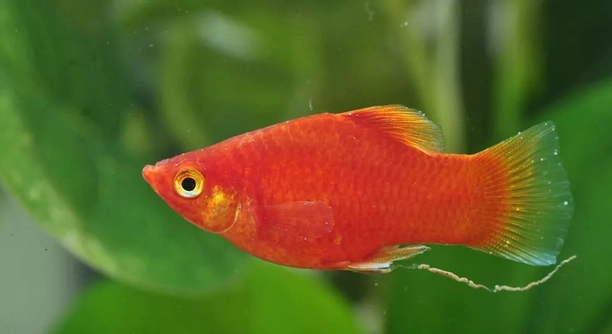
Many aquarium owners notice their platies flashing against the tank walls and wonder why this behavior occurs. It can be puzzling and sometimes concerning to see these colorful fish rubbing or darting along the glass. Understanding this behavior helps create a better environment for your pet.
Flashing in platies typically indicates irritation caused by parasites, poor water quality, or physical discomfort. It is a common response to external stressors that affect the fish’s skin or gills, prompting them to rub against surfaces to relieve the irritation.
Recognizing the reasons behind flashing can improve your platy’s health and comfort in the tank. Learning how to address these causes will help maintain a happy and thriving aquatic environment.
Common Causes of Flashing in Platies
Platies flash against tank walls mostly because they feel irritated or uncomfortable. Parasites like ich or flukes often cause this irritation. When parasites attach to their skin or gills, it causes itching or a burning sensation. Another reason is poor water quality. High levels of ammonia, nitrites, or nitrates can harm fish and lead to flashing behavior. Rough decorations or sharp edges in the tank can also cause physical damage, making platies rub against surfaces to ease discomfort. Sometimes, sudden changes in water temperature or pH can stress fish and trigger flashing. Overcrowding and lack of hiding places may also increase stress levels, leading to this behavior. Watching your platies closely for signs like clamped fins, lethargy, or spots helps identify the problem early. Regular water testing and tank maintenance are essential to keep the environment safe. These steps reduce the chances of your platies flashing due to irritation or stress.
Proper tank care and attention can prevent most causes of flashing in platies. Keeping water clean and stable is key.
If parasites are causing the problem, treatment with appropriate medications can stop the irritation. Water changes and improved filtration help maintain good water quality. Removing sharp objects from the tank prevents injury. Providing enough space and hiding spots reduces stress. Monitoring water temperature and pH levels regularly keeps the environment stable. Sometimes, flashing is temporary and improves after addressing these issues. However, persistent flashing may need a vet’s advice. Understanding and managing these factors creates a healthy space for your platies to thrive without discomfort.
How to Identify Parasites on Your Platies
Parasites are a common reason platies flash and rub against tank surfaces. Signs to watch for include small white spots, red patches, or frayed fins. These visible marks often indicate ich or other external parasites. Additionally, your fish might scratch more than usual or show rapid breathing. Parasites can quickly multiply, making early detection important.
Treating parasites requires careful observation and prompt action to protect your fish’s health.
To manage parasites effectively, begin by isolating infected fish to prevent spreading. Use medications designed for the specific parasite, following instructions closely to avoid harming your platies. Alongside treatment, perform regular water changes to improve tank conditions and support healing. Cleaning decorations and substrate removes leftover parasite eggs. Maintain stable water parameters to reduce stress on your fish, which helps them fight off infections better. Preventing parasite outbreaks involves quarantining new fish before adding them to your tank. Consistent monitoring ensures parasites are caught early, keeping your platies comfortable and healthy.
Water Quality and Its Impact on Flashing
Poor water quality is a leading cause of flashing in platies. High ammonia or nitrite levels irritate their skin and gills, making them rub against tank walls to find relief.
Maintaining clean water is essential for platies’ health. Ammonia and nitrites result from fish waste and uneaten food breaking down in the tank. Without proper filtration or regular water changes, these toxins build up quickly. Even nitrate, though less harmful, can stress fish at high levels. Testing water weekly with a reliable kit helps catch problems early. Performing partial water changes removes toxins and keeps the environment safe. Avoid overcrowding, as too many fish produce more waste than the filter can handle. Proper feeding and tank maintenance reduce harmful substances, preventing irritation that causes flashing behavior.
Stable water conditions reduce stress and prevent flashing in platies. Keeping water clean supports their overall well-being and comfort.
Physical Environment and Flashing Behavior
Sharp or rough surfaces in the tank can cause platies to flash by injuring their skin. Decorations with jagged edges or broken glass are common hazards. Removing or smoothing these helps reduce injury. Smooth plants and rocks work better.
A crowded tank forces platies to compete for space and hideouts, increasing stress. Stress weakens their immune system and can lead to flashing. Providing enough room and hiding spots is important to keep stress low. Soft substrate also prevents abrasions from the tank bottom. Regularly checking the tank for broken decorations and replacing them keeps your platies safe. Clean tank decorations prevent buildup of harmful bacteria or algae that might irritate your fish. Thoughtful tank setup ensures your platies feel secure and reduces the chance they flash due to discomfort or injury.
Stress Factors That Cause Flashing
Stress can make platies flash more often. Changes in water temperature, sudden movements near the tank, or aggressive tank mates can all stress your fish.
Stress weakens their immune system and makes them more prone to irritation. Keeping a calm environment and consistent conditions helps reduce flashing caused by stress.
Signs That Flashing Means Something Serious
If flashing comes with other symptoms like loss of appetite, lethargy, or unusual spots, it may indicate illness. Early treatment is important to prevent worsening.
Observe your platies closely for changes in behavior or appearance. Acting quickly can improve their chances of recovery and reduce long-term health problems.
Treating Flashing Through Tank Maintenance
Regular tank cleaning and water changes improve fish comfort. Removing waste and checking water parameters reduces causes of flashing and keeps platies healthy.
When to Consult a Vet
Persistent flashing despite care may require professional advice. A vet can diagnose and treat hidden infections or diseases affecting your platies.
FAQ
Why does my platy keep flashing even though the water looks clean?
Sometimes water can look clear but still have harmful chemicals like ammonia or nitrites. These substances are invisible but cause irritation to your fish. Regular testing is needed because water can seem clean but still be unsafe. Also, hidden parasites or stress may cause flashing, so checking other factors is important.
How often should I test my tank water?
Testing water once a week is a good rule. This helps catch problems early before they harm your fish. Testing kits are easy to use and affordable. Checking ammonia, nitrite, nitrate, and pH keeps the environment stable for platies and reduces flashing.
Can flashing be caused by diet?
Yes, poor diet or sudden changes in food can stress platies, which might cause flashing. Feeding a balanced diet made for tropical fish supports their immune system. Avoid overfeeding since leftover food pollutes water and causes irritation.
Is flashing a sign of illness?
Flashing often shows irritation, but if your platy also has other symptoms like spots, frayed fins, or isn’t eating, it may be sick. Illnesses like ich or bacterial infections need treatment. Early action can prevent serious health problems.
How can I safely treat parasites in my tank?
First, isolate infected fish if possible. Use medication designed for the specific parasite, following instructions carefully. Remove carbon from filters during treatment as it absorbs medicines. Keep water clean with regular changes and avoid overmedicating to protect beneficial bacteria.
Can stress cause flashing even in a well-maintained tank?
Yes, stress from aggressive tank mates, loud noises, or sudden movements can cause flashing. Platies need a peaceful environment with hiding spots and stable water conditions. Reducing stress helps prevent flashing and keeps fish healthy.
Will flashing stop on its own?
If the cause is minor and corrected quickly, flashing may stop soon. But if the problem lasts, flashing can lead to more serious issues. Always investigate and fix the cause rather than waiting for flashing to go away on its own.
Can tank decorations cause flashing?
Yes, sharp or rough decorations can injure platies and cause them to flash. Smooth rocks and plants are better choices. Remove or fix anything that might harm your fish to reduce flashing caused by physical injury.
What temperature is best to prevent flashing?
Platies prefer temperatures between 72°F and 78°F (22°C to 26°C). Sudden changes outside this range stress fish and may cause flashing. Keep the temperature stable with a good heater and thermometer to avoid discomfort.
Should I quarantine new fish to prevent flashing?
Quarantining new fish for 2-4 weeks helps avoid introducing parasites or diseases that cause flashing. This practice protects your main tank’s health and reduces stress on your platies.
Can flashing damage my platy’s skin?
Yes, frequent rubbing can cause sores or infections. If flashing goes unchecked, these injuries may worsen. Prompt care and treatment prevent permanent damage.
How can I make my platy feel more comfortable?
Provide clean water, stable temperature, enough space, and hiding spots. Avoid sudden changes and aggressive tank mates. A calm, safe environment lowers stress and reduces flashing.
Is flashing normal behavior sometimes?
Occasionally, platies may flash lightly when exploring or adjusting to new surroundings. This brief behavior usually doesn’t last long or cause harm. Persistent flashing, however, needs attention.
Can poor filtration cause flashing?
Yes, weak or clogged filters fail to remove toxins, leading to poor water quality and irritation. Regular filter cleaning and maintenance are necessary to keep water safe and prevent flashing.
What should I do if flashing continues after treatment?
If flashing persists despite water changes, medication, and tank care, consulting a vet is best. Some diseases require professional diagnosis and treatment to protect your platies.
Flashing is a common behavior in platies that usually signals discomfort or irritation. It often points to issues with water quality, parasites, stress, or injury from the tank environment. Understanding why your platy flashes against tank walls helps you take the right steps to improve its health and comfort. Paying attention to water parameters, tank setup, and fish behavior gives clues to what might be causing the problem. With simple care and regular maintenance, most causes of flashing can be addressed effectively.
Keeping your tank clean and stable is key to preventing flashing in platies. Testing water regularly for ammonia, nitrites, nitrates, and pH helps catch problems early. Changing water on a schedule and maintaining proper filtration removes harmful substances that irritate fish. Avoid overcrowding and sharp decorations that could injure your platies. Stress plays a big role in fish health, so providing enough space, hiding places, and calm surroundings supports their well-being. A balanced diet and careful observation also contribute to keeping platies healthy and flashing-free.
If flashing persists despite these efforts, it might be a sign of illness that needs treatment. Parasites and infections often cause irritation and require specific medications. In some cases, consulting a vet is the best option to ensure proper care. Taking quick action when you notice flashing can prevent bigger problems and help your fish recover faster. Overall, flashing is a helpful signal that your platy needs attention, and by responding thoughtfully, you can enjoy a lively and healthy tank environment.

Hello,
If you enjoy the content that we create, please consider saying a "Thank You!" by leaving a tip.
Every little bit helps us continue crafting quality advice that supports the health, happiness, and well-being of pets around the world, for pets of all shapes, sizes, and species.
We really appreciate the kindness and support that you show us!