
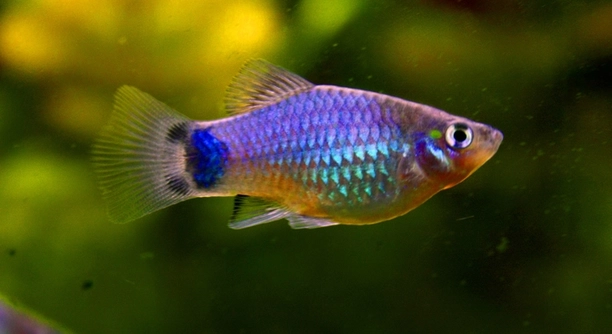
Platies are small, colorful fish that many people enjoy keeping in home aquariums. They are known for their peaceful nature and lively swimming habits. Sometimes, platies hover close to the gravel, which can catch the attention of aquarium owners.
Platies hover over the gravel mainly to forage for food, rest in a safe area, or regulate their body functions such as breathing. This behavior can also be influenced by water conditions, tank environment, and social interactions within the aquarium.
Understanding why platies behave this way can help improve their care and overall tank health. Recognizing these reasons will make you a more attentive and informed fish keeper.
Foraging for Food Near the Gravel
Platies often hover over the gravel because they are searching for food. Gravel provides a natural place where leftover flakes, pellets, or tiny bits of algae collect. These fish are natural scavengers and like to explore every corner of their tank for something to eat. You might notice them picking at the gravel or nudging small pieces with their mouths. This behavior is normal and shows they are active and healthy. Sometimes, uneaten food sinks quickly and settles on the bottom, so platies hover low to catch these tasty bits. If you feed your platies regularly, they might still search around the gravel just out of habit or curiosity. Watching this can be quite entertaining, as they move methodically and with focus. It is a good idea to keep the gravel clean, though, as too much leftover food can cause water quality issues.
Hovering over the gravel is a natural feeding behavior for platies, reflecting their instincts and tank environment. It indicates healthy activity.
By understanding this, you can adjust feeding times and amounts to reduce waste and maintain clean tank conditions. This keeps your platies happy and your aquarium balanced.
Resting or Feeling Secure
Platies also hover near the gravel when they want to rest or feel safe. The bottom of the tank often has plants, rocks, or decorations that offer hiding spots. These areas make platies feel protected from potential threats or bright light. Unlike active swimming in the open, hovering near the gravel allows them to relax without using much energy. This behavior might increase if your tank has strong lighting or more active tank mates. Quiet places near the gravel are comforting for them and give them a chance to recover. Providing plenty of hiding spots and calm zones can help reduce their stress. If you notice platies hovering more than usual, it could mean they are tired or seeking comfort, which is a normal part of their daily routine.
Hovering near the gravel is a sign that platies feel secure and are taking time to rest.
Creating a tank environment with shaded areas and decorations encourages this healthy behavior. It helps platies maintain balance between activity and rest. This balance is important for their long-term well-being and can improve their overall mood and health. Many aquarists find that offering hiding spots not only benefits platies but also other peaceful fish in the tank. When platies have a safe place, they are less likely to show signs of stress, such as rapid swimming or hiding constantly. Maintaining this environment promotes a calm atmosphere where fish can thrive.
Breathing and Oxygen Regulation
Platies hover near the gravel to help regulate their breathing. Sometimes, the water near the bottom of the tank has different oxygen levels than near the surface. By staying close to the gravel, platies can find areas where oxygen is easier for them to absorb. This behavior helps them breathe more comfortably, especially if the tank’s oxygen level fluctuates.
Oxygen concentration in aquariums can vary depending on water movement, temperature, and plant life. Platies instinctively seek spots that make breathing easier, often near plants or filter outlets close to the gravel. If oxygen levels drop, they may hover near the bottom longer until conditions improve. Watching their breathing patterns can alert you to changes in water quality, so this behavior is helpful to notice.
Providing proper aeration and regular water changes keeps oxygen levels stable. This reduces the need for platies to hover at the bottom, allowing them to swim more freely throughout the tank. Consistent care prevents stress and supports healthy respiration.
Social Interaction and Territory
Platies hover over gravel as part of their social behavior and territorial instincts. In a community tank, they sometimes use the gravel area to mark space or communicate with other fish. This behavior is natural and helps maintain order within the group. Hovering can also be a way to show dominance or submission.
Territory is important for platies, especially males, who may hover near the gravel to guard a chosen spot. This gives them a place to rest while keeping an eye on others. At times, hovering helps platies stay close to their mates or fry (young fish) for protection. The gravel area often provides a central point where social interactions happen naturally. Observing these behaviors gives clues about the social balance in your tank. Ensuring enough space and hiding spots reduces conflicts and stress among your fish.
Water Temperature Preferences
Platies sometimes hover over the gravel to find cooler or warmer spots in the tank. The temperature near the bottom can differ slightly from the middle or surface, and platies adjust their position to stay comfortable. This helps them maintain their body temperature.
Temperature changes can stress fish, so hovering near gravel may be a way to avoid warmer or cooler water layers.
Illness or Stress Signs
Hovering near the gravel can indicate that a platy is feeling unwell or stressed. If the behavior is unusual or prolonged, it may signal health issues like poor water quality, parasites, or injury. Monitoring other symptoms is important for early care.
Tank Environment Impact
The layout and condition of the tank greatly affect platies’ behavior. Gravel type, decorations, and plant density all influence where platies choose to hover. A well-maintained environment encourages natural activity and reduces stress.
Feeding Schedule Effects
The timing and amount of food given can change how often platies hover near the gravel. Feeding too little or too much causes them to search the bottom more or less frequently.
Why do platies hover over the gravel more at certain times?
Platies may hover over the gravel more during feeding times or when the tank environment changes. For example, after you add food, they often search the bottom for leftovers. Changes in water temperature, oxygen levels, or light can also influence their behavior, causing them to seek comfort near the gravel. Seasonal or daily fluctuations in the tank can prompt platies to adjust their position to stay comfortable or safe.
Is it normal for platies to stay at the bottom for long periods?
While platies usually swim throughout the tank, spending extended time near the gravel can sometimes signal stress or illness. However, resting or hiding near the bottom is normal if they have good hiding spots and calm conditions. If this behavior becomes constant or is paired with other signs like sluggishness or lack of appetite, it’s best to check water quality and health.
Can poor water quality cause platies to hover near the gravel?
Yes, poor water quality is a common reason platies hover near the bottom. High ammonia, nitrite, or nitrate levels stress fish and affect their breathing. They may stay near the gravel to avoid higher toxin concentrations or seek spots with better oxygen. Regular water testing and changes help maintain healthy conditions and reduce this behavior.
How can I improve my tank environment to reduce excessive hovering?
Keep the tank clean with regular water changes and gravel vacuuming. Make sure the filter is working properly to maintain good oxygen levels. Provide plenty of plants and hiding spots so platies feel secure. Adjust lighting to avoid overly bright conditions. A well-balanced tank encourages natural swimming and reduces bottom-hugging behavior.
Do platies hover near gravel when breeding?
Yes, during breeding, platies may hover near gravel or plants to prepare a safe area for eggs or fry. Males sometimes guard these spots or stay close to females. This behavior is natural and part of their reproductive cycle. Providing dense plants or hiding places can support healthy breeding habits.
What should I do if my platy looks sick while hovering over the gravel?
Check water parameters immediately—ammonia, nitrite, nitrate, pH, and temperature. Poor water quality is often the cause of stress or illness. Isolate sick fish if needed to prevent spreading diseases. Look for signs like clamped fins, discoloration, or labored breathing. Consult a vet or fish expert for proper diagnosis and treatment.
Is it normal for platies to hover near the gravel in a crowded tank?
In crowded tanks, platies may hover near the bottom to avoid aggression or competition. Overcrowding can cause stress, making fish seek quieter, safer spots. Ensure the tank has enough space, proper filtration, and hiding places to reduce stress and allow all fish room to swim comfortably.
Can diet affect how much platies hover over the gravel?
Yes, diet influences this behavior. Platies that are underfed will spend more time searching the gravel for food scraps. Overfeeding can cause leftover food to settle on the bottom, attracting platies to hover and scavenge. Feeding appropriate amounts and using sinking pellets or flakes helps balance their feeding behavior.
Do platies prefer certain types of gravel?
Platies do not have a strong preference for gravel type but may respond better to smooth, small-sized gravel that mimics their natural habitat. Sharp or large gravel can cause discomfort or injury. A comfortable substrate encourages natural foraging and resting behaviors near the bottom.
How often should I clean the gravel to keep platies healthy?
Cleaning the gravel once every one to two weeks is usually enough to prevent waste buildup and maintain good water quality. Use a gravel vacuum to remove debris without disturbing beneficial bacteria. Regular cleaning reduces the chance of harmful substances accumulating, which helps platies stay active and healthy.
Platies hovering over the gravel is a common behavior that has many reasons behind it. Often, they do this to look for food or to find a comfortable resting spot. The gravel at the bottom of the tank provides a place where leftover food or small particles collect, so platies naturally spend time there searching for something to eat. This behavior shows that your fish are active and using their natural instincts to explore their environment. It is important to keep the gravel clean, so uneaten food does not cause problems in the tank’s water quality. When the gravel is well maintained, platies can safely search and rest without risk to their health.
Another reason platies hover near the gravel is to regulate their breathing and body temperature. The water at the bottom of the tank can have different oxygen levels and temperatures compared to the surface. By staying close to the gravel, platies can find areas that are more comfortable for their breathing and overall health. This behavior helps them cope with changes in water conditions or tank environment. It is a good reminder to regularly check your tank’s water quality and make sure there is enough aeration and temperature control. Keeping these factors balanced allows your fish to swim freely and stay healthy.
Lastly, hovering near the gravel can also be related to social behavior and feeling safe. Platies use the bottom of the tank as a place to rest and hide from stronger light or other more active fish. They may also use it to mark territory or stay close to mates and young fish. Providing hiding spots with plants and decorations can help them feel secure and reduce stress. Watching their behavior gives clues about how well your fish are adjusting to their tank environment. Paying attention to these details makes it easier to care for your platies and keep them comfortable. Overall, understanding why platies hover over the gravel helps you create a healthier and happier aquarium for your fish.

Hello,
If you enjoy the content that we create, please consider saying a "Thank You!" by leaving a tip.
Every little bit helps us continue crafting quality advice that supports the health, happiness, and well-being of pets around the world, for pets of all shapes, sizes, and species.
We really appreciate the kindness and support that you show us!