
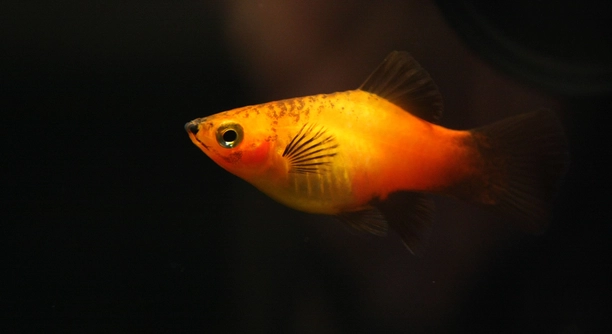
Is your platy acting differently, spending less time swimming and more time staying still near the bottom of the tank?
Platies can show signs of boredom when their environment lacks stimulation. These signs often include lethargy, reduced interaction, and repetitive behaviors. An unstimulating tank setup may lead to stress and lower overall health in your fish.
Understanding these signs can help you make simple changes to improve your platy’s tank environment and overall well-being.
Lack of Movement or Constant Hiding
When a platy is bored, one of the first things you might notice is a change in its activity level. If your fish is spending more time hiding behind decorations or plants and less time swimming, it could be a sign that its environment isn’t stimulating enough. Platies are usually active swimmers, especially when the tank is well-maintained and has plenty of room to explore. A tank with few decorations, no variety, or a poor layout can make your fish feel unmotivated. A platy that’s constantly still, sitting at the bottom, or hiding all day may be showing signs of boredom. They can also lose interest in their surroundings when there’s nothing new to engage with. Boredom can lead to stress, which over time might impact their health. Try watching for any patterns—such as long periods of inactivity or avoidance of open areas—to help you recognize if something in the tank needs to change.
A bored platy may appear healthy but still avoid swimming around the tank. This quiet behavior is often mistaken for rest, but it could be something more.
Adding new plants, rocks, or even rearranging the tank can give your platy a sense of change. Simple additions create new areas to explore and swim through. Even switching out one decoration every few weeks helps break up monotony. You can also consider changing the lighting or current direction to gently shift how your platy experiences the space. If you notice more movement after these changes, it’s likely the environment was too plain. Just make sure the new items are aquarium-safe and avoid over-cluttering. You want to encourage movement, not limit space. Even minor updates can make your platy more curious and engaged, bringing life back into its daily routine.
Loss of Interest in Feeding
A platy that’s bored may start to ignore food or eat with less excitement than usual. Over time, mealtime might feel less rewarding if the fish has nothing else going on in its tank.
This behavior can be tied to both routine and environment. Feeding is one of the few predictable moments in a fish’s day, so if it becomes the only highlight, the fish might lose interest. You may notice your platy doesn’t rush to the top or takes longer to eat. Try changing up how you feed it. You could use floating pellets one day and sinking food the next. Add variety with occasional treats like blanched peas or frozen daphnia. Another idea is using a feeding ring or placing food in different spots. These changes turn feeding into a small challenge, which helps break boredom. A more interactive approach can spark interest and improve your platy’s appetite over time.
Repetitive Swimming Patterns
Swimming in the same path over and over is often a sign your platy is bored. This behavior can look like pacing along the glass or circling one decoration repeatedly without exploring other areas of the tank.
When a platy repeats the same swimming pattern, it may be trying to cope with a lack of stimulation. This kind of behavior usually means the tank setup hasn’t changed in a while. While it’s normal for platies to have favorite areas, constantly swimming the same path shows they’re not mentally engaged. You can reduce this by offering new textures and hiding spots. Try adding floating plants, caves, or driftwood to break up open space. It’s important not to overwhelm the tank, but a few small changes go a long way in keeping things interesting. Think of it as offering new paths for exploration, which can help your fish stay active in a healthier way.
Repetitive swimming can also be caused by seeing their reflection. Platies might mistake it for another fish and become fixated. To fix this, adjust the lighting around the tank or place a background behind the glass to reduce reflections. Also, consider placing the tank in a quieter location to reduce stress. Loud environments or too much movement around the tank can increase nervous or obsessive behavior. Even a small change, like moving a filter or placing a new plant in the fish’s usual path, can break the loop. Monitor your platy for a few days after making changes. If the behavior slows down or stops, your fish likely just needed something new to explore.
Aggression Toward Tank Mates
When platies are bored, they might start acting out toward other fish in the tank. This could look like nipping at fins or chasing tank mates that were never a problem before. Even peaceful fish may become more aggressive when their environment feels too small or too plain.
Aggression can be caused by stress and lack of mental stimulation. When a platy doesn’t have enough to do, it may redirect its energy in negative ways. Crowded or featureless tanks often make it worse. Make sure each fish has space to swim and places to retreat. Try adding soft plants, rocks, or decorations that create visual breaks. These give fish the chance to separate when needed. You can also rearrange the layout every few weeks to help reset social behaviors. Watching for early signs of aggression, like short chases or nudges, can help you make changes before things escalate. A more stimulating tank helps reduce tension and keeps your fish calmer.
Reduced Interaction with Tank Mates
A bored platy may stop engaging with the other fish it used to swim alongside. It might stay off to the side or near the bottom, showing little interest in what’s happening around it.
This change can signal that the tank no longer offers enough stimulation to keep it mentally engaged.
Disinterest in Exploring
Platies are usually curious fish, often seen checking out new plants or moving through decorations. When they stop exploring, it can mean they’re not being mentally or physically challenged. A tank that looks the same every day can feel dull to them. Try rotating decorations or adding different textures, like smooth stones or leafy plants. You don’t have to do a full makeover—just small changes every week or two help a lot. Giving your fish more places to peek into, swim around, or hide behind makes a difference in how active and interested they stay. Little details keep your platy alert and engaged.
Increased Resting Time
More resting than usual can point to boredom. If your platy spends much of the day hovering in place or lying low, it may need a more stimulating environment.
FAQ
How can I tell the difference between a bored platy and a sick one?
Bored platys often show subtle behavior changes like pacing, resting more than usual, or ignoring other fish. They still eat, their color stays bright, and they don’t show physical signs of illness like clamped fins, white spots, or bloating. A sick platy usually has more serious symptoms—labored breathing, visible marks, or rapid weight loss. If your platy is acting differently but still looks physically healthy, boredom might be the reason. Always monitor closely. If behavior doesn’t improve after enriching the tank, or if new symptoms appear, consider checking water conditions or consulting an aquarium specialist.
What types of enrichment help prevent boredom in platies?
Live or silk plants, small caves, tunnels, and varied substrate textures are great options. Floating plants or decorations that move with the current can also encourage natural curiosity. Rearranging decor every few weeks keeps the environment from becoming too predictable. You can even rotate decorations you already have to keep things interesting. Some owners use feeding tools like floating rings or slow-release feeders to add variety to mealtime. Even adjusting the lighting or adding a gentle current from a filter helps change how the platy experiences its tank.
Is it okay to add more fish to help keep my platy entertained?
It depends on your tank size, current stocking level, and water conditions. Platies are social, so being alone can cause boredom. However, adding more fish without enough space or hiding spots may cause stress or aggression. Always research the ideal tank size per fish and ensure your filter can handle the extra bioload. If your tank is large enough and your water parameters are stable, adding more peaceful fish can help reduce boredom. Choose calm species that match your platy’s temperament to keep things peaceful.
Do platies get bored in tanks without live plants?
Yes, they can. Live plants provide shelter, surfaces to explore, and even help maintain water quality. Without them, a tank can feel bare and unchanging. While silk plants are a good alternative, live plants move naturally with water flow, offering more sensory interest. If you’re not ready for live plants, try mixing fake plants with real ones that are easy to care for, like Java moss or Anubias. The added movement and scent of live plants can keep your platy more alert and active.
How often should I change the tank layout to reduce boredom?
Every 2 to 3 weeks is a good routine. You don’t need to make big changes—just shifting a few decorations or swapping one item can refresh the space. Avoid changing too much at once, which might stress your fish. A few small updates are enough to keep things new without disrupting their sense of safety. Think of it like rearranging a room: even a new path to swim through can give your platy something different to explore.
Can changing the feeding schedule help with boredom?
Yes, it can. Feeding at the exact same time every day and in the same way can become predictable. Try varying the time slightly or using different feeding methods. Sometimes drop food in different tank areas, or use floating devices to slow down feeding. Offering a variety of foods like flakes, pellets, frozen, or blanched veggies can also make meals more exciting. These small changes can give your platy a reason to stay active and curious.
Is it normal for platies to have lazy days?
Yes, just like any animal, fish have days when they’re more relaxed. A single slow day isn’t always a concern. But if low activity continues for several days and you see other changes like loss of appetite or color fading, it’s time to look closer. It could be boredom, stress, or something health-related. Make sure the water parameters are safe and the environment is engaging. Keeping a regular routine while adding small surprises helps maintain a healthy balance of rest and activity.
Final Thoughts
Boredom in platies is not always easy to spot, but the signs are there if you know what to look for. A lack of movement, repetitive swimming, or ignoring food can all point to a tank that needs more stimulation. While these behaviors might seem small, they can slowly affect your platy’s health over time. Watching your fish each day helps you notice small changes. When a platy that was once curious and active becomes quiet and uninterested, that’s a good time to make some adjustments to the tank.
Simple changes can go a long way. Adding new plants, moving decorations, or using different types of food can help keep your fish engaged. You don’t need to spend a lot or do a complete tank makeover. Even rotating the items you already have or changing how you feed them can make the environment feel fresh. Fish benefit from variety just like other animals. Giving them a few new things to explore or interact with can prevent boredom and make the tank more enjoyable for them and for you to watch.
Keeping your platy active and interested doesn’t have to be difficult. Regular tank maintenance, a bit of creativity, and attention to behavior are all it takes. If your platy seems bored, take it as a sign that something small might need to change. In most cases, they respond well to new things and return to their usual behavior quickly. A healthy, stimulated fish is more colorful, more active, and more fun to observe. With just a little effort, you can help your platy live a happier, more balanced life in its tank.

Hello,
If you enjoy the content that we create, please consider saying a "Thank You!" by leaving a tip.
Every little bit helps us continue crafting quality advice that supports the health, happiness, and well-being of pets around the world, for pets of all shapes, sizes, and species.
We really appreciate the kindness and support that you show us!