
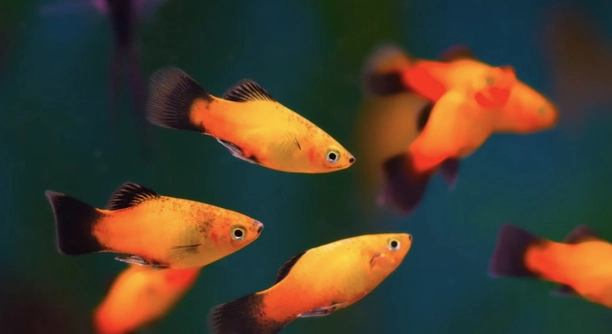
Many aquarium enthusiasts enjoy observing their platies’ behavior, especially how these small fish respond to their surroundings. Understanding their reactions can deepen the connection between owner and pet while promoting a healthier environment for the fish.
Platies do react to hand movements near the tank. They may interpret these motions as signs of potential feeding or changes in their environment. This response is a natural behavior influenced by their instincts and familiarity with human interaction.
Exploring how platies respond to hand movements helps enhance care techniques and improves the overall experience of keeping these lively fish.
How Platies Perceive Hand Movements
Platies are naturally curious fish that rely on their senses to understand their environment. When you move your hand near the tank, they notice the change in light, shadow, and motion. These cues often signal something important, like feeding time or potential danger. Over time, platies learn to associate hand movements with food, which explains their increased activity and interest when you approach. Their eyesight is good enough to detect these subtle motions, but they mainly rely on vibrations and changes in water pressure to interpret what is happening outside the glass. This sensitivity helps them react quickly to anything unfamiliar. Understanding this behavior can help you interact with your platies in a way that minimizes stress and encourages natural responses, making them more comfortable around you and their environment.
Platies react mainly due to their instincts and learned associations with feeding times. Movement outside the tank captures their attention quickly.
Providing consistent hand signals during feeding can create a routine that platies recognize and respond to positively, improving their comfort and interaction with their owners.
Encouraging Positive Interaction with Platies
Hand movements near the tank can influence platies’ behavior, but it is important to approach them calmly. Sudden or rapid movements may startle them, causing stress or hiding. To encourage positive interaction, use slow and deliberate motions. Over time, platies may come closer to the glass or follow your hand, anticipating food or attention. This behavior shows a level of trust and familiarity developing between you and your fish. Additionally, placing your hand near the tank before feeding can help condition your platies to recognize your presence as a non-threatening event. Avoid tapping on the glass, as this can cause discomfort and disturb the tank’s environment. Creating a peaceful and predictable feeding routine helps platies feel safe and encourages natural, interactive behavior. Consistency is key to building a good connection without causing unnecessary stress.
Common Misunderstandings About Platies and Hand Movements
Many people assume platies will always swim away from hands near the tank. However, this is not always true. Their reaction depends on past experiences and the environment inside the tank. Some platies become more comfortable with human presence over time.
Platies learn to associate hand movements with feeding or interaction if the experience is positive. If a hand consistently brings food, they may swim closer or even follow it. On the other hand, sudden or aggressive motions can cause stress, leading platies to hide or swim away. The fish’s response varies depending on how gentle and predictable the interaction is. Understanding these reactions helps avoid unnecessary stress and builds better trust between you and your platies.
It is important to observe your platies’ behavior and adjust your movements accordingly. Being patient and consistent encourages platies to react calmly and even interact positively with your hand movements.
Tips to Safely Interact with Platies Through the Glass
Slow, steady hand movements near the tank reduce stress in platies. Sudden motions should be avoided to prevent startling them.
Approach the tank calmly and keep your hand steady when near the glass. Gentle movements allow platies to feel less threatened and more curious. Consistency in how and when you interact helps them learn that your presence is not dangerous. Using hand signals before feeding can create a routine, which encourages platies to respond calmly and positively. Avoid tapping or banging on the glass, as this disturbs their environment and causes stress. Respecting their space while being consistent builds a peaceful atmosphere that benefits both you and your fish.
Understanding Platies’ Vision and Sensory Abilities
Platies have good eyesight but rely heavily on their lateral line system to detect movement and vibrations in water. This helps them sense hand movements near the tank even if visibility is low.
The lateral line system allows platies to respond quickly to changes, helping them avoid danger and locate food sources in their environment.
How Tank Environment Affects Platies’ Responses
A calm and well-maintained tank encourages platies to be more relaxed and responsive to hand movements. Stressful or dirty environments make them more likely to hide or avoid interaction.
Providing plenty of plants and hiding spots helps platies feel secure, reducing stress when hands approach the tank.
Avoiding Stress When Using Hand Movements
Sudden or frequent hand movements can cause stress. It is important to limit movement near the tank to times of feeding or care to keep platies comfortable.
FAQ
Do platies recognize their owners by hand movements?
Platies do not recognize owners like pets such as dogs or cats, but they learn to associate hand movements with feeding and care routines. Over time, consistent hand signals can trigger excitement and curiosity because platies expect food or interaction. This learned behavior helps them respond more actively when a familiar hand approaches the tank.
Can platies get stressed from hand movements outside the tank?
Yes, platies can become stressed if hand movements are sudden, fast, or frequent. Abrupt motions may startle them, causing hiding or erratic swimming. Stress can negatively affect their health and behavior. To avoid this, approach the tank calmly and keep movements slow and predictable.
Why do platies sometimes ignore my hand movements?
Platies might ignore hand movements if they don’t associate them with food or if they feel threatened. Fish that are shy or new to their environment may take longer to adjust. If feeding times are inconsistent or if the tank is noisy or stressful, platies may avoid interaction altogether.
Is tapping the glass to get platies’ attention harmful?
Tapping on the glass is generally harmful. It creates vibrations and noise that stress the fish, disrupt their environment, and can even cause physical harm. Instead, use gentle hand movements outside the tank to communicate feeding or care times without disturbing them.
How can I encourage platies to respond more to hand movements?
Establish a routine where hand movements are followed by feeding or gentle interaction. Approach the tank calmly and slowly before offering food. Over time, platies will link the movement with positive experiences, increasing their responsiveness.
Do platies react differently to various types of hand movements?
Yes, platies respond better to slow, smooth movements rather than quick or jerky ones. Gentle motions are less threatening and allow fish to observe and approach at their own pace. Rapid movements may cause them to swim away or hide.
Can hand movements affect platies’ health?
Indirectly, yes. Constant stress from abrupt or excessive hand motions can weaken their immune systems, making them more vulnerable to illness. Keeping movements calm and limited ensures a healthier, less stressful environment for your platies.
Are platies more responsive to hand movements in certain tank setups?
Platies in well-maintained, quiet tanks with plenty of hiding spots tend to be more comfortable and responsive. A clean environment with stable water conditions reduces stress, making them more open to interaction.
How long does it take for platies to get used to hand movements?
Adjustment time varies. Some platies may respond within days, while others take weeks to feel comfortable. Patience and consistency in your approach speed up the process.
What should I avoid when trying to interact with platies using hand movements?
Avoid fast, erratic motions and tapping on the glass. Don’t approach the tank suddenly or frequently without a purpose, as this can create unnecessary stress. Keep interactions calm and predictable to build trust gradually.
Platies are small, lively fish that often respond to movements near their tank, especially hand movements. This reaction is mainly because they associate such movements with feeding or changes in their environment. Over time, they become familiar with gentle, consistent gestures and may even swim closer to the glass in anticipation. Understanding their natural instincts and sensory abilities helps explain why platies pay attention to what happens outside their tank. They rely not only on their eyesight but also on their lateral line system to detect vibrations and movement in the water. This makes them sensitive to anything nearby, including your hand movements.
It is important to remember that platies are easily stressed by sudden or frequent motions. Quick or harsh movements can startle them and cause them to hide or behave nervously. Stress from constant disturbance may affect their health negatively. To keep your platies comfortable, it is best to approach their tank calmly and slowly. Using slow, steady hand motions near the glass can encourage positive interaction. Establishing a regular routine where your hand movement signals feeding or care helps platies learn and respond more calmly. Avoid tapping or banging on the glass, as this disturbs their environment and may lead to unwanted stress.
Creating a peaceful and predictable setting benefits both you and your platies. A clean tank with plenty of plants and hiding places makes the fish feel secure. When platies feel safe, they are more likely to respond positively to hand movements and engage with their surroundings. Patience is key, as each fish adapts at its own pace. By respecting their space and limiting sudden disturbances, you can build a better connection with your platies. This helps create a calm, healthy environment where your fish thrive and interact comfortably with you.

Hello,
If you enjoy the content that we create, please consider saying a "Thank You!" by leaving a tip.
Every little bit helps us continue crafting quality advice that supports the health, happiness, and well-being of pets around the world, for pets of all shapes, sizes, and species.
We really appreciate the kindness and support that you show us!