
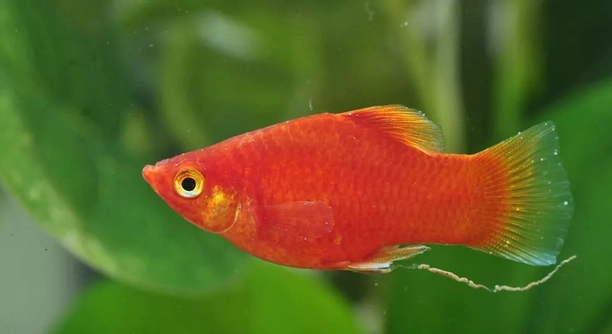
Platies are colorful, peaceful fish that many enjoy keeping in home aquariums. Feeding them the right way helps keep them healthy and active. Knowing effective feeding techniques can improve their overall well-being.
The best feeding methods for platies include offering small, frequent meals of balanced foods, using flakes, pellets, frozen or live foods, and ensuring food is appropriate for their size and dietary needs to promote growth and vitality.
These feeding tips will help maintain your platies’ health and enhance their natural behavior in your aquarium.
Understanding Platies’ Dietary Needs
Platies require a balanced diet to stay healthy and vibrant. They are omnivores, meaning they eat both plant-based and protein-rich foods. In their natural environment, platies feed on algae, small insects, and plant matter. To mimic this in an aquarium, their diet should include high-quality flakes or pellets formulated for tropical fish. Supplementing with frozen or live foods like brine shrimp or bloodworms adds necessary protein and variety. Feeding small amounts multiple times a day is ideal since platies have small stomachs. Overfeeding can lead to water quality issues and health problems. Observing how much they eat in a few minutes can help you adjust portions. Keeping a consistent feeding schedule helps maintain their digestive health. A varied diet not only supports their immune system but also enhances their coloration and energy. Proper nutrition is key to a thriving aquarium.
Feeding platies three times daily in small portions reduces waste and keeps the tank clean.
Maintaining a balanced diet is important, but also remember to watch their behavior and health regularly. If they seem sluggish or lose color, diet adjustments may be needed. Different life stages may require different nutrition levels. Young platies benefit from protein-rich foods to support growth, while adults need a balanced intake for maintenance. Avoid foods that float too long or sink too fast, as this can lead to uneaten food decaying in the tank. Cleaning any leftover food promptly helps prevent water contamination. Using feeding tools like tweezers or automatic feeders can aid in portion control and feeding routine. Overall, understanding and meeting platies’ dietary needs creates a healthier, more vibrant aquarium environment.
Effective Feeding Techniques
One effective feeding technique is to use a feeding ring or target area to contain food and minimize waste.
Using a feeding ring helps concentrate food in one spot, making it easier for platies to find their meals and reducing scattered debris in the tank. This method supports better water quality by preventing leftover food from decaying on the substrate. Another technique is to feed small amounts frequently instead of one large feeding. This matches platies’ natural grazing behavior and prevents overfeeding. Offering a variety of foods keeps their diet balanced and interesting, which encourages consistent eating habits. Live or frozen foods should be thawed and rinsed before feeding to avoid water contamination. Monitoring their response during feeding times helps identify preferred foods and detect any feeding issues early. Regularly changing feeding locations can also stimulate activity and reduce competition among fish. These simple steps improve feeding efficiency and contribute to a healthy aquatic environment.
Recognizing Overfeeding Signs
Overfeeding platies can quickly lead to poor water quality and health issues. Signs include uneaten food, cloudy water, and lethargic fish. It’s important to feed only what they can consume within a few minutes.
When platies are overfed, leftover food sinks and decomposes, increasing harmful ammonia and nitrate levels. This environment stresses the fish, causing weakened immune systems and possible disease outbreaks. Overfeeding also leads to obesity, which can shorten their lifespan. Controlling portion size is key. Observe how much your platies eat during feeding and adjust accordingly. Regular water testing helps identify early water quality issues caused by excess food. Feeding only small amounts and removing uneaten food can maintain a healthier tank environment.
Feeding routines should emphasize moderation and consistency. Avoid feeding scraps or human food, as this can upset their digestive system. Using a timer or feeder device can help maintain portion control. Platies thrive on a balanced, measured diet. Proper feeding habits are essential for their well-being.
Feeding Live Foods Safely
Live foods like brine shrimp and daphnia offer excellent protein and stimulation for platies. They mimic natural hunting behaviors and improve nutrition variety.
It is essential to source live foods from reputable suppliers to avoid introducing diseases or parasites into the tank. Before feeding, rinse live foods in clean water to remove contaminants. Quarantining live foods or using frozen alternatives can reduce risk. Feeding live foods in moderation prevents overfeeding and maintains water quality. Offering a variety of live foods prevents dietary monotony and encourages natural foraging. Live foods should complement, not replace, regular flakes or pellets. Regular observation during feeding helps identify any adverse reactions or leftover food. Incorporating live foods thoughtfully enhances platies’ health and natural behavior without compromising tank safety.
Choosing the Right Flakes and Pellets
Flakes and pellets are convenient, balanced staples for platies’ diets. Choose products made specifically for tropical omnivores to meet their nutritional needs.
Select flakes that don’t quickly dissolve to avoid water pollution. Pellets should be small enough for platies to eat easily. Quality matters to support growth and coloration.
Avoiding Overfeeding During Night
Platies do not require feeding at night as they rest. Overfeeding during this time can lead to waste buildup and poor water quality.
Avoid leaving excess food in the tank overnight. Uneaten food can decay, stressing the fish and disrupting the aquarium ecosystem.
Monitoring Feeding Behavior
Watching platies during feeding helps ensure they are eating properly. It also helps spot any signs of illness or stress early.
Regular observation allows timely adjustments to feeding amounts and techniques, improving overall fish health and tank conditions.
FAQ
How often should I feed my platies?
Feeding platies two to three times daily in small amounts is ideal. This matches their natural grazing habits and prevents overfeeding. Each feeding should only last a few minutes, giving them enough time to eat without leaving excess food to decay. Regular, smaller meals support better digestion and reduce waste buildup in the tank.
What types of food do platies prefer?
Platies enjoy a varied diet that includes high-quality flakes or pellets, along with occasional live or frozen foods like brine shrimp, daphnia, and bloodworms. They also benefit from plant-based foods, such as algae wafers or blanched vegetables. Offering different foods keeps them healthy and encourages natural feeding behaviors.
Can I feed my platies only flakes or pellets?
While flakes and pellets can provide balanced nutrition, relying solely on them limits variety. Supplementing with live or frozen foods adds essential proteins and nutrients. It also keeps platies interested in their diet and promotes overall well-being. A varied diet is always better than a single food source.
Is it okay to feed my platies vegetables?
Yes, platies are omnivores and benefit from plant matter in their diet. Small amounts of blanched spinach, zucchini, or peas can provide fiber and vitamins. Vegetables also help replicate their natural diet and prevent digestive issues. Always remove uneaten vegetables to keep the tank clean.
How do I know if I’m overfeeding my fish?
Leftover food that settles on the tank bottom, cloudy water, and sluggish fish are signs of overfeeding. If you notice any of these, reduce feeding portions. Observe how much your platies eat within two to three minutes and adjust accordingly. Maintaining a clean tank is important for their health.
Can feeding live food cause diseases?
Live foods can carry parasites or bacteria if not sourced carefully. To reduce risks, buy from trusted suppliers and rinse live foods before feeding. Alternatively, use frozen or freeze-dried versions. Quarantining live food before feeding also helps prevent introducing diseases to your aquarium.
Should I feed my platies at night?
No, platies are less active at night and do not require feeding during this time. Leaving food in the tank overnight can lead to waste buildup and water quality issues. It is best to feed them during daylight hours when they are active and able to eat.
What is the best way to store fish food?
Keep fish food in a cool, dry place away from sunlight and moisture. Proper storage prevents spoilage and preserves nutrients. Seal containers tightly after each use. Using fresh food ensures your platies receive the best nutrition possible.
How do I encourage picky eaters?
Try offering a variety of foods and feeding smaller amounts more frequently. Live or frozen foods often stimulate appetite better than flakes alone. Changing feeding locations within the tank or gently stirring the water can also attract their attention. Patience is key, as some platies take time to adjust.
Can overfeeding shorten my platies’ lifespan?
Yes, overfeeding can cause obesity, poor water quality, and increased disease risk, all of which may shorten their lifespan. Maintaining proper feeding habits and tank cleanliness helps ensure your platies live longer and healthier lives. Balance and moderation are essential.
Final Thoughts
Feeding platies correctly is essential for their health and happiness. These small fish need a balanced diet that includes both plant and protein sources to stay active and vibrant. Using high-quality flakes or pellets as a base and supplementing with live or frozen foods can provide the nutrients they require. Feeding them small amounts multiple times a day helps avoid overfeeding and keeps the tank water clean. Observing how much food they eat within a few minutes is a simple way to adjust portions and prevent waste buildup. Proper feeding not only supports their growth but also helps maintain their natural colors and behavior.
It is equally important to avoid common feeding mistakes that can harm platies. Overfeeding can cause water quality problems, leading to stress and disease. Uneaten food decomposes and increases harmful chemicals in the aquarium. Feeding at night or leaving excess food in the tank is not recommended since platies are less active during these hours. Using tools like feeding rings or automatic feeders can help control the amount of food and keep the feeding routine consistent. Choosing the right size and type of food makes it easier for platies to eat and digest properly. A careful and consistent feeding approach helps ensure a healthy environment for the fish and reduces maintenance efforts.
Regularly watching your platies during feeding times allows you to notice changes in their behavior or appetite that might signal health issues. If they stop eating or appear sluggish, reviewing their diet and feeding habits can help identify problems early. Keeping the aquarium clean and testing water quality regularly supports overall fish health as well. Feeding is just one part of good fish care, but it is a very important one. Paying attention to your platies’ needs and feeding them appropriately will help them thrive and bring lasting enjoyment to your aquarium.

Hello,
If you enjoy the content that we create, please consider saying a "Thank You!" by leaving a tip.
Every little bit helps us continue crafting quality advice that supports the health, happiness, and well-being of pets around the world, for pets of all shapes, sizes, and species.
We really appreciate the kindness and support that you show us!