
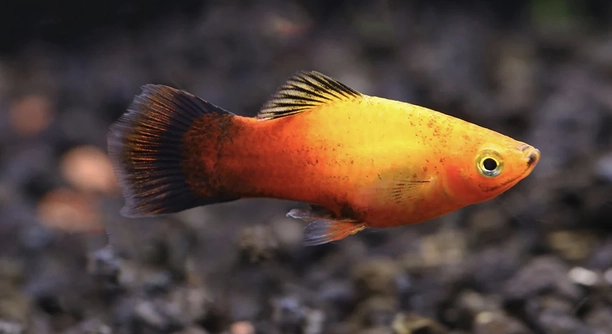
Are your platies acting differently or showing signs that something might be off in their tank? Changes in behavior often reflect underlying issues that need attention for your fish to stay healthy and safe.
The most common platy behaviors that signal tank trouble include clamped fins, gasping at the surface, hiding excessively, or erratic swimming. These signs often point to poor water quality, stress, temperature fluctuations, or the early stages of illness.
Recognizing these behaviors early can make a big difference in preventing more serious problems and keeping your platies thriving in their aquatic home.
Clamped Fins and Listless Movement
When platies keep their fins close to their bodies, it usually means something is wrong. Healthy platies swim with their fins spread, but clamped fins can indicate poor water conditions, stress, or the beginning of an illness. This behavior is often paired with reduced activity, where the fish moves slowly or not at all. Ammonia spikes, pH imbalances, or low oxygen levels in the tank can trigger this change. It’s important to test the water parameters and make gradual corrections. Also, check for aggressive tankmates or changes in lighting or temperature that might be stressing your fish.
This behavior is often one of the earliest signs that your platy is feeling unwell. Ignoring it can lead to more serious health concerns.
Maintaining stable water conditions, avoiding overcrowding, and keeping stress levels low are key to preventing clamped fins. Make sure your tank is cycled and cleaned regularly to support fish health.
Gasping at the Surface
If your platy keeps going to the top of the tank and gasping, it’s usually due to low oxygen levels or poor water quality. Immediate testing and aeration can help avoid long-term damage to the fish.
Gasping at the surface is a clear sign that your tank may lack sufficient oxygen. Warm water holds less oxygen, and if your filter or air stone isn’t circulating enough air, your fish will struggle. Overcrowding and high ammonia can make it worse. In these cases, platies often appear restless, swim erratically, or hover near the surface for extended periods. Improve tank ventilation by adjusting your filter’s flow, adding an air stone, or performing a partial water change to refresh oxygen levels. You should also evaluate your tank’s temperature and make sure it stays within a safe range. A thermometer and reliable heater can help you maintain stability. If multiple fish are gasping, act quickly.
Hiding More Than Usual
Platies that suddenly start hiding more than usual may be reacting to stress, illness, or environmental discomfort. This behavior can also happen when a fish feels threatened or bullied by other tankmates in a crowded or poorly arranged tank.
Stressful conditions like sudden changes in water temperature, loud noises, or harsh lighting can lead platies to seek constant cover. If your fish is normally active but now hides under plants or decorations for long periods, check for water parameter shifts, drafts near the tank, or aggressive fish. Illness can also cause a platy to isolate, especially if paired with other symptoms like clamped fins or loss of appetite. Placing enough plants and hiding spots in the tank helps, but constant hiding signals a deeper problem. Rearranging decor, adjusting light levels, and reducing traffic around the tank can help your platy feel more secure and return to normal behavior.
When a platy continues to hide without a clear environmental cause, it’s time to examine its health more closely. Look for signs of parasites, fin damage, or unusual swelling. Internal infections and external parasites can cause discomfort that leads fish to withdraw. Use a magnifying glass if needed, and consider separating the fish for closer monitoring or treatment.
Flashing or Rubbing Against Objects
Flashing is when platies rub or scrape themselves against objects like rocks or tank walls. This can indicate external irritation, often from parasites such as ich or skin flukes. Poor water quality can also contribute by weakening the fish’s natural defenses.
The first step if you notice flashing is to test your water immediately. Elevated ammonia or nitrite levels can irritate skin and gills. If the water is within safe ranges, closely observe the fish for visible signs of parasites like white spots or cloudy patches. Flashing is usually accompanied by other symptoms such as lethargy, loss of appetite, or fin damage. Treatment depends on the cause. For parasites, over-the-counter aquarium medications are available. Be cautious when dosing, especially in tanks with sensitive species. Raising the temperature slightly and adding aquarium salt can support the recovery process. Clean the tank regularly and avoid overcrowding to prevent parasite outbreaks from recurring.
Refusing to Eat
When platies stop eating, it’s usually a sign that something in the tank is off. Poor water quality, sudden temperature changes, or underlying illness can affect appetite. Pay close attention if this behavior lasts longer than a day.
Lack of appetite may also come from stress after a recent tank cleaning, relocation, or changes in tankmates. Feeding too often or offering food that’s too large or not suited to platies can also lead to disinterest.
Erratic Swimming or Spiraling
Erratic swimming in platies—like darting, spiraling, or floating sideways—often points to swim bladder issues, toxin exposure, or severe stress. Swim bladder problems can result from overfeeding, constipation, or sudden water temperature shifts. Poisoning from cleaning chemicals or poor water conditions can also trigger these symptoms. Prompt action is necessary to avoid lasting damage.
Hovering Near the Heater
Platies that hover near the heater may be cold or reacting to temperature instability. This is often a sign the water is too cool or inconsistent. Regularly check your thermometer to ensure the tank remains within the ideal range of 72–78°F.
FAQ
What causes platies to clamp their fins?
Clamped fins usually happen when platies feel stressed or sick. Poor water quality is a common cause, especially high ammonia or nitrite levels. Sudden changes in temperature or aggressive tankmates can also lead to this behavior. Checking water conditions and reducing stress can help platies recover quickly.
Why do platies gasp at the surface?
Gasping often means there isn’t enough oxygen in the tank. Warm water holds less oxygen, so if the temperature is too high, platies may struggle to breathe. Insufficient filtration or overcrowding can make oxygen levels drop. Increasing aeration and improving water circulation can fix this problem.
What should I do if my platy hides all the time?
Hiding is a common sign of stress or illness. Make sure the tank has plenty of plants and hiding spots, but if hiding becomes excessive, check water quality and look for signs of disease. Sometimes, rearranging the tank or separating aggressive fish helps platies feel safer.
How can I tell if my platy has parasites?
Look for flashing behavior—rubbing against tank surfaces or decorations. Other signs include white spots, cloudiness, or damaged fins. Poor water quality weakens their immune system, making parasites more likely. Use treatments designed for aquarium parasites and maintain clean, stable water conditions.
Why is my platy refusing food?
Loss of appetite often points to stress or illness. Sudden water changes, poor water quality, or tankmates causing stress can affect feeding. Overfeeding or offering the wrong type of food can also cause disinterest. Keep a regular feeding schedule and provide varied, suitable food.
What causes erratic swimming in platies?
Erratic swimming can result from swim bladder issues, often caused by overfeeding or constipation. It can also be a reaction to toxins or sudden environmental changes. Ensure a balanced diet, stable water conditions, and avoid harmful chemicals near the tank.
Is it normal for platies to hover near the heater?
Platies hover near the heater if the water temperature is too low or unstable. They seek warmth to stay comfortable. Regularly monitor the tank temperature and keep it within 72–78°F to avoid stress and health problems.
How often should I test my aquarium water?
Testing water once a week is recommended, especially for ammonia, nitrite, nitrate, and pH levels. More frequent checks may be needed if you notice changes in fish behavior or after tank maintenance. Consistent monitoring helps prevent issues before they become serious.
Can overcrowding cause platy behavior problems?
Yes. Overcrowding increases stress, reduces oxygen, and raises waste levels, leading to unhealthy water and aggressive behavior. Provide enough space for each fish and maintain proper filtration to keep platies calm and healthy.
What are the signs of stress in platies?
Common signs include clamped fins, hiding, loss of appetite, gasping, and erratic swimming. Stress often results from poor water quality, aggressive tankmates, or sudden environmental changes. Reducing stress factors is key to keeping platies healthy.
How do I prevent illness in my platies?
Maintain clean water with stable temperature and proper filtration. Avoid overcrowding and provide a balanced diet. Quarantine new fish before adding them to the tank to reduce the risk of disease introduction. Regular observation helps catch problems early.
What should I do if my platy shows multiple signs of trouble?
Act quickly by testing and correcting water quality, isolating sick fish if needed, and treating for parasites or infections. Consult aquarium care resources or a professional if symptoms persist. Early intervention improves chances of recovery.
Final Thoughts
Keeping platies healthy requires paying close attention to their behavior. Many signs of trouble, such as clamped fins, gasping, hiding, or erratic swimming, are ways platies communicate that something is wrong in their environment. By noticing these behaviors early, you can take steps to improve water quality, adjust tank conditions, or address health issues before they become severe. Consistent care and observation help create a stable and comfortable home for your fish.
Water quality is one of the most important factors in preventing tank problems. Regular testing for ammonia, nitrites, nitrates, and pH levels is essential. Maintaining stable temperatures and avoiding sudden changes reduces stress on platies. Keeping the tank clean with regular water changes and proper filtration supports good health. Overcrowding and aggressive tankmates should also be avoided to minimize stress and competition for oxygen and food. A well-maintained tank encourages natural, healthy behavior in your platies.
When platies show unusual behaviors, it is important to act promptly but calmly. Testing water conditions, making gradual adjustments, and using appropriate treatments if needed can prevent worsening problems. Providing plenty of hiding spots and a balanced diet also supports their well-being. With careful attention and simple steps, you can help your platies thrive and enjoy watching their natural, lively behavior for a long time.

Hello,
If you enjoy the content that we create, please consider saying a "Thank You!" by leaving a tip.
Every little bit helps us continue crafting quality advice that supports the health, happiness, and well-being of pets around the world, for pets of all shapes, sizes, and species.
We really appreciate the kindness and support that you show us!