
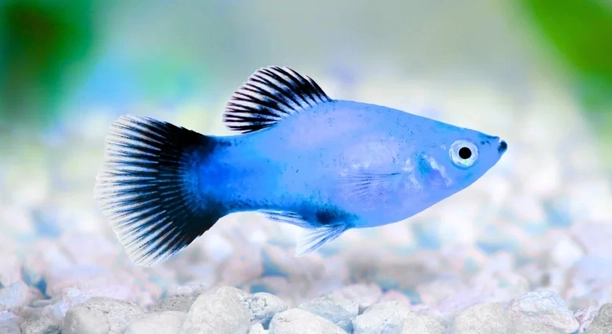
Are your platies struggling to thrive in a tank with moving water currents, leaving you unsure about how to support them best?
Platies can adjust to moving water currents, but only within moderate limits. Strong or erratic currents may cause stress and exhaustion. A well-balanced flow helps mimic natural environments, encouraging healthy swimming behavior and supporting overall physical activity and wellbeing.
Understanding how to balance flow and comfort can make a real difference in your platies’ quality of life and tank behavior.
Understanding Platies and Water Flow
Platies are peaceful freshwater fish that thrive in calm or gently moving water. In the wild, they come from slow-moving rivers and streams, so their bodies are not built for fast currents. Sudden exposure to strong flow in an aquarium can cause stress, limit their ability to swim comfortably, and affect their feeding behavior. Over time, this can lead to fatigue or even health problems. It’s important to observe how they react when you first introduce flow. If they’re constantly fighting the current or hiding behind decorations, that’s a sign the flow may be too strong. On the other hand, a mild current can benefit platies by encouraging gentle movement and improving water circulation throughout the tank. This helps maintain better oxygen levels and prevents stagnant zones, which support a healthier environment. Adjusting flow levels gradually and monitoring their response is the best way to keep them comfortable.
Keep in mind that not every filter or pump setting suits all tanks.
If your platies are hiding more or seem less active, try lowering the flow. A quieter environment can help them feel secure and settle in better over time.
How to Create a Balanced Flow
Start with an adjustable filter.
Filters with adjustable output allow you to control the strength and direction of the water movement. Position the output nozzle so it gently circulates water across the surface or along the back wall rather than directly through the middle of the tank. Adding plants and decorations can also help break up the current and create calm spots where your platies can rest. Sponge filters are a great choice for smaller tanks because they produce a soft flow and provide both mechanical and biological filtration. For larger tanks, consider adding baffles or spray bars to disperse the flow more evenly. Watch how your fish react over several days. If they swim steadily, explore the tank, and eat without hesitation, the current is likely just right. You don’t need to eliminate flow completely—just make sure it doesn’t overpower their natural movement. Balancing water circulation with the needs of your platies ensures they stay active, healthy, and stress-free.
Signs Your Platies Are Struggling
Watch how your platies move around the tank. If they are constantly swimming against the current, resting too often, or avoiding open spaces, the flow might be too strong for them. They may also have trouble reaching food or show signs of stress.
A platy that appears to “hover” in one place while facing into the current or seeks shelter behind plants or decorations may be trying to escape water movement. Look for torn fins, rapid gill movement, or pale colors—these are signs of discomfort. Skittish behavior or refusing to eat can also indicate that the current is affecting their sense of safety. When these patterns show up, it’s worth reassessing the tank setup. A gentle flow helps them stay active without wearing them out. Small adjustments, like redirecting the filter or adding plants, can often reduce stress quickly and restore natural behavior in a short time.
Keep a close eye on how long they spend near calmer zones of the tank. If most of their time is spent tucked behind rocks or filter intakes, they may be avoiding open areas due to the current. Platies are usually curious and social, so any withdrawn or erratic movement should be addressed by softening the water flow.
Best Tank Setup for Comfortable Flow
Choose tank decor that naturally breaks the current into smaller sections. Adding driftwood, live plants, or rock clusters helps create hiding areas and slower-flow zones. This allows platies to move freely without constant resistance, supporting their calm and social behavior.
Go with a rectangular tank instead of tall, narrow ones, as this gives more horizontal swimming space and allows for better current control. Use live or silk plants near the filter output to break up the flow gently. Tall plants like vallisneria or dense stem plants such as cabomba help slow water movement. Substrate type also plays a role—fine gravel or sand won’t trap debris, which helps keep the water clean without increasing flow. Choose lighting that supports plant growth if using live plants. Make sure to space decorations in a way that creates small, calm pockets of water where platies can rest. This layout keeps the environment stable and more natural, encouraging healthy activity.
Adjusting Flow Without Replacing Equipment
If the current feels too strong, try pointing the filter output toward the tank wall. This reduces the direct flow and softens the movement. You can also add a pre-filter sponge to the output tube for gentler circulation.
Use tall plants, driftwood, or rocks to break up the current path. These changes help redirect water and create calm areas without needing to change your filter. Even simple adjustments like raising the water level can help ease surface agitation.
How Tank Mates Can Affect Flow Tolerance
Some tank mates may thrive in stronger currents and swim quickly through the tank, making platies feel crowded or stressed. Active swimmers like danios or barbs often disturb the calm flow platies prefer. Choose tank mates with similar needs and a peaceful temperament. Fish like mollies, guppies, and corydoras are better matches in mild flow setups. Keeping compatible species together ensures that all fish can move comfortably without competition. Be mindful of how other fish react to current, as their movement can influence how your platies behave and adapt. Compatibility can reduce stress and support a balanced, stable aquarium environment.
Final Thoughts on Flow Management
A steady but gentle current keeps your tank healthy while allowing platies to swim naturally and rest when needed. Small changes can make a big difference.
FAQ
Can platies live in tanks with strong currents?
Platies prefer tanks with gentle to moderate water movement. Strong currents can make it difficult for them to swim, eat, and rest properly. They are not built for fast-flowing water and may become stressed or physically worn out if the current is too strong. Signs of discomfort include hiding, weak swimming, or avoiding open areas. If your tank has a powerful filter, you can reduce the impact by redirecting the flow, adding plants, or using sponge pre-filters. Creating calm areas helps your platies stay active without having to constantly fight the current.
What type of filter is best for platies?
Sponge filters or adjustable flow filters work best for platy tanks. Sponge filters are gentle, quiet, and provide both mechanical and biological filtration without creating strong currents. Hang-on-back filters can also work if you can control the output or use baffles to soften the water flow. Canister filters are suitable for larger tanks, but make sure to diffuse the output. The key is keeping the water clean without making it hard for your platies to move freely. Always monitor their behavior after installing or adjusting a filter to ensure the current isn’t too much for them.
Do platies enjoy swimming in water flow?
Platies do enjoy light movement in the water as long as it’s not too strong. A gentle current can encourage swimming and activity, which keeps them healthy. They may play in mild flow or hover near the filter output, but if the flow becomes too strong, they will start avoiding those areas. It’s about finding the right balance. Mild currents help improve oxygen levels and prevent dead spots in the tank, but your platies should still be able to move around easily and rest when they want to. Constant swimming due to strong current is not healthy for them.
How can I tell if the current is stressing my platies?
Look for signs like rapid gill movement, hiding behind plants or decorations, or constantly swimming against the current without exploring the rest of the tank. Other signs include loss of appetite, pale color, or torn fins. If you notice these behaviors, reduce the flow and observe whether they become more relaxed and active in the calmer environment. They should swim with ease, interact with other fish, and explore the tank. Stress caused by current may not be obvious at first, so keeping an eye on their regular activity is important to catch small changes early.
Can decorations help reduce water flow?
Yes, decorations play a big role in helping control water movement. Plants (real or artificial), driftwood, rocks, and other tank decor can all disrupt strong currents and create peaceful zones. Arrange them strategically to give your platies safe spaces to rest. Tall plants near the filter output are especially useful for breaking surface flow. These setups not only improve comfort but also encourage natural behavior. Be sure not to overcrowd the tank, though. You want to create calm pockets without blocking overall water circulation. A well-balanced layout supports both the flow and your fish’s well-being.
Is there an ideal flow rate for platy tanks?
For platies, the ideal flow rate is around 4–6 times the volume of your tank per hour. For example, if you have a 20-gallon tank, a filter with a flow rate between 80 and 120 gallons per hour (GPH) is generally appropriate. However, it’s not just about the numbers—it’s about how the current feels in the tank. Use visual cues like plant movement and your fish’s swimming behavior to determine if adjustments are needed. If the flow visibly pushes your platies around, it’s too strong. A gentle ripple on the surface and easy swimming are what you’re aiming for.
Will baby platies be affected differently by current?
Yes, baby platies (fry) are more sensitive to water movement than adults. They’re smaller and have less strength to swim against strong flow. A high current can easily push them into filter intakes or make it hard for them to reach food. To protect fry, use sponge filters or cover filter intakes with foam. You can also add dense plants where they can hide and rest. Keep the overall flow light and stable. A calm environment supports their growth and reduces the risk of injury or exhaustion. As they grow, they’ll handle slightly stronger currents more easily—but start slow.
Final Thoughts
Platies are peaceful, hardy fish, but their comfort depends heavily on the environment you create for them. Water flow is one of the key parts of that environment. While they don’t need perfectly still water, strong currents are not suitable for their body shape or swimming style. In their natural habitat, platies live in slow-moving streams and calm waters. Trying to recreate that in your aquarium will help them feel more secure and relaxed. When the flow is gentle, they can move freely, eat without stress, and display natural behavior. You don’t need to eliminate movement completely—just make sure it doesn’t overwhelm them.
Tank setup also plays an important role in how your platies experience flow. Filters should be chosen based on your tank size and adjusted when needed. Equipment like sponge filters or adjustable output filters work well because they allow for better control. Decorations, live plants, and smart layout choices help break up the water movement and give your platies spaces to rest. Even if your filter seems too strong at first, small changes—like redirecting the output or using pre-filter sponges—can improve conditions without the need to replace equipment. Watching your fish after each change will tell you what’s working. If they seem active, calm, and balanced, the flow is likely just right.
Making flow adjustments also becomes more important if your tank includes fry or less active species. Baby platies, in particular, need a gentle setup where they can grow without stress. Even among adults, differences in age or health can affect how well they handle water movement. Regular observation helps you catch any signs of stress early, such as hiding, tired swimming, or avoiding certain parts of the tank. Maintaining a clean, steady, and calm environment ensures your platies stay healthy in the long term. It doesn’t take expensive tools or a complete tank overhaul—just a bit of patience, careful planning, and attention to how your fish respond. When the flow is balanced and soft, your platies are more likely to thrive, interact, and bring life to your aquarium in a peaceful, natural way.

Hello,
If you enjoy the content that we create, please consider saying a "Thank You!" by leaving a tip.
Every little bit helps us continue crafting quality advice that supports the health, happiness, and well-being of pets around the world, for pets of all shapes, sizes, and species.
We really appreciate the kindness and support that you show us!