
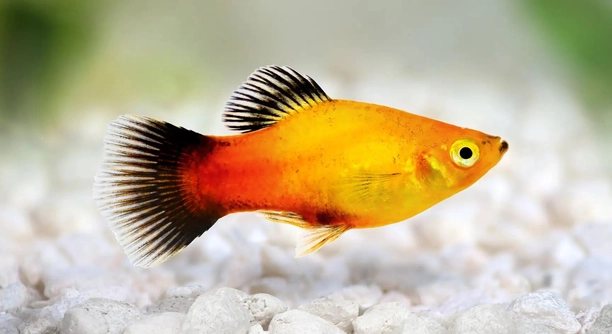
Have you ever watched your platy swim around and wondered if it could recognize shapes or spot repeating patterns in its tank?
Platies have shown the ability to recognize simple patterns through visual cues and training. Research suggests they can distinguish between different shapes and arrangements, indicating basic cognitive processing skills that help them interact with their surroundings.
These findings offer a closer look into the mental abilities of platies and how they respond to their environment in small but meaningful ways.
How Platies Perceive Patterns
Platies rely heavily on their vision to navigate their surroundings. In scientific studies, they have demonstrated an ability to recognize visual differences between simple shapes like circles and squares. When shown repeated patterns, they responded more consistently to those they had previously been trained to associate with food or safety. This suggests that they are capable of basic visual learning, especially when there is a reward involved. Their behavior changes based on the patterns they encounter, such as swimming toward one image more often than another. While their cognitive abilities are limited compared to mammals, these small fish can remember and react to repeated visuals. Researchers believe this helps them identify familiar feeding zones or avoid predators in the wild. These abilities reflect a level of pattern recognition that supports survival and interaction in their aquatic environment.
Platies can detect and remember simple visual patterns, especially when there’s a direct connection to food or safety.
Their learning is not complex, but it serves practical purposes in their daily behavior. Recognizing visual patterns helps them identify safe zones, familiar objects, and routine feeding areas. This behavior can be especially noticeable in home aquariums, where they associate specific patterns or shapes with food or human presence.
What This Means for Platy Owners
Platies use pattern recognition as a way to adapt to their tanks and routines. Observing how they respond to colors, shapes, or even feeding cues can help you understand their behavior better. They might swim to one corner when they see you approaching or come closer when they notice the same hand movement before feeding. These responses may seem small, but they reveal how platies engage with their environment and use basic pattern learning to make decisions.
If you want to stimulate your platy’s mind, try adding simple visuals to their tank. Colored shapes or repeated designs placed outside the tank may grab their attention. Change them from time to time and watch how your platy responds. Feeding at the same time each day using similar motions can also help them build a routine. Keep in mind that while they can’t understand complicated sequences, they do notice consistency and changes in what they see. Being mindful of their environment not only helps them feel secure but also supports natural behaviors. Recognizing their small learning abilities can improve how you interact with them and make their tank more engaging.
How Pattern Recognition Helps in Feeding
Platies often respond to repeated actions or visual cues tied to feeding. Over time, they associate certain movements, like the shaking of food containers, with mealtime. This behavior reflects their ability to connect simple patterns with expected outcomes.
If you feed your platy at the same time every day using the same steps—such as standing in the same spot or using the same hand movement—they will begin to anticipate the food. You might notice them swimming excitedly at the surface or toward the area where food usually drops. This behavior shows they’ve learned the routine through repetition. Platies are not responding to hunger alone but also to visual and behavioral cues. They can also recognize different shapes of food packaging or colors associated with feeding time. These connections are not deeply complex, but they show how pattern learning plays a role in everyday tank life.
Creating visual or behavioral feeding patterns makes it easier for platies to predict when and where food will appear. This predictability can reduce stress and help them feel secure. They might even start reacting to your presence or specific lighting changes around feeding time. These signs indicate they’ve developed a pattern-based routine, helping you time their care more effectively.
Environmental Stimulation Through Patterns
Simple visual changes can be used to keep your platy mentally active. Adding colorful backgrounds, adjusting decorations, or introducing moving objects helps trigger visual interest. These patterns provide stimulation and may prevent repetitive or stressed behavior in small tanks.
Rotate tank decorations or use printed visuals placed behind the tank glass. Shapes and contrasting colors tend to catch their attention more than dull or static settings. Avoid overwhelming them with too many changes at once. Introduce new visuals gradually so they can get used to them and respond positively. Patterns like stripes or dots often attract attention and encourage exploration. Rearranging their environment every few weeks gives them something new to engage with while still offering familiar spots. Watching how they respond can help you decide what kind of visual changes work best for your fish. Simple enrichment like this can support their well-being and keep their behavior healthy.
Training Platies with Patterns
Platies can be trained to respond to patterns using repetition and simple rewards. Consistently pairing a visual cue—like a specific shape—with feeding helps them associate that pattern with a reward.
Using gentle routines, like tapping near a visual before feeding, encourages pattern recognition. Over time, they may respond to the cue alone.
How Long They Remember Patterns
Platies do not have long memory spans, but they can remember patterns linked to food or routine for several days. If a visual or behavioral cue is repeated consistently, they may retain the connection for over a week. However, if the pattern stops appearing, they tend to forget it quickly. Repeating the same pattern regularly helps reinforce the behavior. Their memory is closely tied to habits formed around feeding and interaction. So, the more consistent you are, the more likely they are to remember and respond to these simple patterns in daily care.
What This Tells Us About Their Intelligence
Platies show basic but functional intelligence through pattern recognition. These abilities help them feel secure and interact with their environment in practical ways.
FAQ
Can platies recognize their owners?
Platies do not recognize individual humans like pets such as dogs or cats do. However, they can learn to associate certain visual cues, such as the presence of a person near the tank or specific hand movements, with feeding time. This means they may swim toward you or become more active when they see familiar actions linked to food. Their recognition is based on pattern learning rather than true personal identification.
How quickly do platies learn simple patterns?
Platies can learn simple visual or behavioral patterns within a few days to a week if the pattern is repeated consistently. For example, if you feed them while making the same hand movement every day, they will start to expect food when they see that motion. Their learning speed depends on repetition and the strength of the reward, like food.
Are platies capable of learning complex tasks?
Platies have limited cognitive abilities and are not able to learn complex tasks. Their brains are designed to handle simple survival-based behaviors, such as recognizing basic shapes or associating actions with feeding. Complex tasks that require memory over long periods or multiple steps are beyond their capacity.
Do platies use pattern recognition in the wild?
Yes, pattern recognition helps platies survive in natural habitats. Recognizing simple environmental cues such as shadows, shapes, or repeated movements allows them to avoid predators and locate food. This basic form of learning helps them adapt to changing conditions and improve their chances of survival.
How can I use pattern recognition to improve platy care?
Using consistent feeding routines and visual cues can help your platies feel more comfortable. Feeding at the same time and place, with repeated actions like shaking food containers or tapping the tank, creates a predictable environment. This predictability reduces stress and encourages natural feeding behavior.
Can platies get bored without environmental changes?
Platies benefit from some variety in their environment. Without changes or stimulation, they may become less active or show signs of stress. Introducing simple visual patterns, rearranging tank decorations, or changing background colors helps keep them engaged and mentally active.
Is it possible to train platies to do tricks?
While platies cannot perform complex tricks, they can respond to simple cues related to feeding. For example, they might swim to a specific spot when a certain shape or color appears outside the tank. Training them beyond this level is generally not practical due to their limited learning abilities.
How long do platies remember learned patterns?
Platies can remember learned patterns for several days to about a week. Regular repetition helps reinforce memory, but if the pattern is removed, they tend to forget it quickly. Consistent practice is key to maintaining their response to patterns.
What types of patterns do platies recognize best?
Platies respond best to simple, high-contrast patterns such as circles, squares, or stripes. Bright colors and clear shapes are easier for them to distinguish. Complex or subtle patterns are harder for platies to learn or react to.
Can platies differentiate between individual fish based on patterns?
Platies can recognize differences in size, shape, and color among other fish, which helps with social behavior. However, their recognition is based on visual cues rather than detailed pattern memory. They may respond differently to familiar tank mates, but this is not as precise as human pattern recognition.
Does lighting affect platies’ ability to recognize patterns?
Good lighting improves platies’ ability to see and respond to visual patterns. Poor or inconsistent lighting can reduce their ability to distinguish shapes and colors. Maintaining stable and appropriate lighting conditions supports their natural behaviors and pattern recognition.
Are male and female platies different in pattern learning?
There is no clear evidence that male and female platies differ significantly in their ability to learn or recognize patterns. Both sexes show similar responses to repeated visual cues related to feeding or environment.
Can stress impact a platy’s learning ability?
Stress can reduce a platy’s ability to learn and respond to patterns. Stress factors include poor water quality, overcrowding, or sudden changes in environment. Minimizing stress helps maintain their cognitive functions and natural behaviors.
How do platies respond to moving patterns?
Platies are attracted to movement and may follow moving shapes or objects. This responsiveness helps them detect food or avoid threats. Using slow-moving visual cues can encourage their interest and interaction.
Is it helpful to use color-coded patterns for feeding?
Yes, using consistent color patterns associated with feeding can enhance platies’ recognition. For example, placing a colored object near the tank before feeding can signal mealtime. Over time, platies learn to link specific colors with food arrival.
Can platies recognize patterns in water flow or bubbles?
Platies can notice changes in water movement and bubbles as environmental cues. While this is not visual pattern recognition in the strict sense, it helps them respond to their surroundings. These cues may influence their swimming patterns or behavior near filters or aerators.
Platies are small fish with simple but effective learning abilities. Their capacity to recognize basic patterns helps them adapt to their environment and daily routines. While their intelligence is limited compared to larger animals, they show clear responses to repeated visual and behavioral cues. This pattern recognition plays a role in feeding habits, social interactions, and how they navigate their tanks. Understanding this aspect of platy behavior can improve how we care for them and make their environment more comfortable.
Using consistent patterns in feeding times and tank setups allows platies to form habits that reduce stress. When they learn to expect food after certain cues, such as seeing a particular color or movement, they become more confident and active. Introducing simple visual changes or rearranging decorations can also keep platies mentally stimulated. These small adjustments support their natural curiosity and help prevent boredom. Being aware of their learning limits ensures that expectations remain realistic while still providing meaningful engagement.
In summary, platies demonstrate a basic but practical ability to recognize and remember simple patterns. This ability benefits their survival in both natural and home environments. By offering routine and gentle stimulation, owners can support these behaviors and create a better living space for their fish. Recognizing how platies interact with patterns encourages more thoughtful care and appreciation for their small but notable intelligence.

Hello,
If you enjoy the content that we create, please consider saying a "Thank You!" by leaving a tip.
Every little bit helps us continue crafting quality advice that supports the health, happiness, and well-being of pets around the world, for pets of all shapes, sizes, and species.
We really appreciate the kindness and support that you show us!