
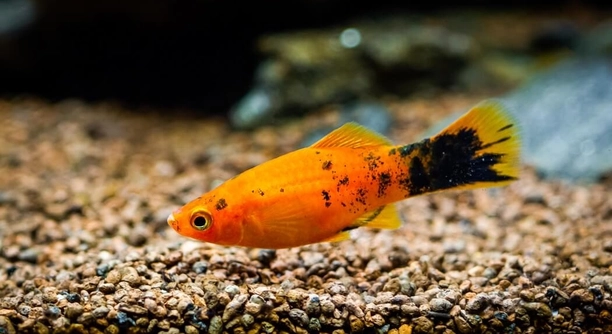
Is your platy gliding in circles that look like a figure 8, making you wonder if something might be wrong?
Swimming in a figure 8 pattern often signals stress, poor water quality, or territorial behavior. Platies may display this movement when reacting to changes in their environment or attempting to establish dominance in a shared tank.
Understanding these behaviors can help you make small changes that improve your platy’s health, comfort, and long-term happiness in your aquarium.
Common Causes Behind Figure 8 Swimming
Platies swim in figure 8 patterns for a few clear reasons. The most common is stress, often caused by poor water quality or sudden changes in the tank environment. High ammonia or nitrate levels can irritate their gills, making them swim erratically. Another reason could be that the platy feels threatened or is trying to establish territory, especially in a crowded tank. They may also do this when they’re bored or under-stimulated. In some cases, it’s related to mating behavior or chasing. If none of these seem to apply, it could be linked to an internal parasite or swim bladder issue.
Frequent water testing and regular tank cleaning are key to preventing this behavior from developing.
Once the source of stress is removed, the figure 8 swimming usually stops. Make sure there’s enough space, hiding spots, and consistent tank conditions. Avoid overfeeding, as that can lead to digestive issues and erratic swimming.
When to Take Action
If your platy keeps swimming this way for days, it’s time to take action.
Start by testing the water for ammonia, nitrites, and nitrates. Make any needed adjustments, such as water changes or adding a water conditioner. Observe other fish in the tank to see if they show similar behaviors. If your platy is the only one acting this way, isolate it in a separate tank to monitor. Look for signs of illness, such as bloating, loss of appetite, or discoloration. Internal parasites and swim bladder infections may require treatment with aquarium salt or medication. Always follow package instructions and remove activated carbon if using medicine. Reducing noise and light near the tank may also help calm the fish. Avoid overcrowding, and keep tank mates peaceful. Once stable conditions return, monitor your platy’s behavior daily for improvements. Early response often prevents more serious health problems.
How Tank Conditions Affect Behavior
Poor tank conditions are a major reason platies act differently. Dirty water, temperature swings, or low oxygen can all lead to strange swimming patterns. Even minor changes can have a big impact on how your platy behaves day to day.
Keep the water clean with weekly partial water changes and by using a quality filter. A heater and thermometer help maintain a steady temperature between 72–78°F. Check oxygen levels by watching for gasping or slow movement near the surface. Add live plants or use an air stone to improve water flow and oxygen. Always rinse new decorations before placing them in the tank. Avoid sudden water changes that shift pH or temperature. These small changes help your platy feel safe, which can stop unusual swimming.
Lighting and noise also affect your platy. Bright lights or loud sounds near the tank can cause stress and lead to strange movements. Reduce stress by keeping the tank in a quiet spot with a natural day-night light cycle. Use a timer to ensure lights turn on and off consistently. Add hiding spots like plants or caves, especially if other fish are more aggressive. Comfortable surroundings help your platy relax and behave normally again.
Choosing the Right Tank Mates
Aggressive or overly active tank mates can stress your platy and cause it to swim strangely. Always choose peaceful species that won’t nip or chase. Fish that are calm and similar in size tend to do best with platies.
Good companions include mollies, guppies, swordtails, and cory catfish. Avoid species known for aggression or fast, erratic swimming. Overcrowding also leads to stress, so follow the one-inch-per-gallon rule. Provide plenty of plants and hiding areas so every fish can feel secure. When introducing new tank mates, quarantine them for at least two weeks to prevent illness. Monitor how your platy reacts after new additions—if swimming behavior worsens, separate the fish. Peaceful interactions and enough space help reduce figure 8 swimming. Keeping harmony in the tank is important for your platy’s health and comfort.
Feeding Habits and Their Impact
Overfeeding can lead to bloating and swim bladder issues, both of which may cause figure 8 swimming. Stick to feeding your platy small amounts twice a day and remove any uneaten food after a few minutes.
Use high-quality flakes or pellets made for tropical fish. Occasionally offer boiled peas or brine shrimp as a treat.
Signs That Require Medical Attention
If your platy shows signs like floating, sinking, or rolling, it could have a swim bladder disorder or internal parasite. Look for other symptoms such as weight loss, discoloration, clamped fins, or white stringy waste. These signs often require prompt treatment. Begin with isolation in a separate tank to avoid spreading illness. Add aquarium salt, increase temperature slightly, and consider using a broad-spectrum medication. Always research and follow instructions for any treatment used. If symptoms don’t improve after a few days, consult a vet familiar with fish. Acting quickly gives your platy a better chance to recover and return to normal swimming behavior.
Observing Behavior Regularly
Watch your platy daily for changes in energy, swimming patterns, or appetite. Quick attention to unusual behavior often prevents more serious health problems.
FAQ
Why is my platy swimming in circles instead of straight?
Swimming in circles is usually a sign of stress or discomfort. Poor water quality, changes in the environment, or aggression from tank mates are common causes. It may also happen if your platy is bored or overstimulated. Check the water parameters first and watch how other fish interact. If the issue continues, consider isolating the fish to observe if the behavior improves in a calmer setting.
Can swim bladder disease cause figure 8 swimming?
Yes, swim bladder problems can cause unusual swimming patterns, including figure 8 movements. Swim bladder issues affect a fish’s buoyancy, making it hard for them to stay upright or swim straight. Overfeeding, constipation, or infections are common causes. Feed your platy a blanched pea without skin to relieve constipation. If that doesn’t work, consider adding aquarium salt or a targeted medication. Make sure to isolate the fish and monitor for changes.
Is this behavior ever normal for platies?
Figure 8 swimming is not typical for platies. While they may dart around or chase each other during mating or feeding, consistent figure 8 patterns often point to an underlying problem. If your platy returns to normal swimming after a few minutes, it’s likely a brief reaction to something. If it continues, investigate water conditions, diet, tank mates, or illness.
Could poor lighting affect my platy’s behavior?
Yes, bright or inconsistent lighting can affect your platy’s stress levels. Sudden lighting changes, lights left on too long, or exposure to direct sunlight can confuse or overstimulate fish. Use a timer to create a stable light schedule, keeping it on for 8–10 hours a day. Avoid placing the tank in noisy or overly bright areas.
How do I know if my platy is sick or just stressed?
Stressed platies may act skittish, hide often, or swim strangely. Sick fish often show physical symptoms like white spots, clamped fins, bloating, or color loss. They may also stop eating. If your platy swims in a figure 8 and also shows these symptoms, illness is more likely. Quarantine the fish and monitor for other signs before starting treatment.
Can figure 8 swimming be caused by other fish in the tank?
Yes, aggressive or fast-moving fish can cause platies to swim in figure 8s as a response to being chased or intimidated. Always choose peaceful tank mates and provide enough space for each fish to feel secure. Adding plants or decorations can help break lines of sight and reduce tension in the tank.
How long should I wait before treating the fish?
If your platy has been swimming in a figure 8 pattern for more than a day and water conditions are fine, it’s safe to begin with mild steps like changing the water, isolating the fish, or using aquarium salt. Only move to medication after observing other symptoms or if there’s no improvement.
Should I be concerned if only one platy is swimming oddly?
Yes, if only one fish is affected, it may have a specific health issue like a parasite or an internal infection. Separate the fish from others to prevent possible spread and to monitor it closely. This also reduces stress for the sick fish, giving it a better chance of recovery.
Do younger platies swim in figure 8s more than adults?
No, young platies should swim similarly to adults. Active behavior is normal in juveniles, but repeated figure 8 swimming isn’t typical at any age. If a young fish shows this pattern, it might be reacting to a stressful environment or have an early health issue that needs attention.
Final Thoughts
Platies are usually calm and active fish, so when they start swimming in a figure 8 pattern, it’s a sign that something isn’t right. This behavior can be linked to stress, illness, poor water conditions, or even trouble with tank mates. Although it may look interesting at first, it’s important not to ignore it. Keeping a close eye on changes in behavior is part of responsible fish care. A figure 8 swimming pattern is often the first sign that your platy is feeling uncomfortable or reacting to its environment in a negative way. Paying attention early can help prevent more serious problems down the line.
It helps to check water quality regularly and make sure the tank setup is stable and peaceful. Keeping the water clean, feeding the right amount, and choosing proper tank mates can go a long way. Sometimes, just adding more plants or hiding spaces makes a big difference. If you think your platy might be sick, isolating it is a good first step. Watching the fish closely and starting with simple treatments like salt or clean water often brings improvement. If not, you can move forward with medication. Always follow the directions and give the fish time to recover. Most platies respond well to care when problems are caught early.
Swimming in a figure 8 may seem like a small thing, but it tells you a lot about what your fish might be feeling. When you understand what’s behind the behavior, you can fix the cause and help your platy return to normal. These fish are sensitive to their surroundings, and even small changes can affect their health. Regular observation, good tank habits, and simple adjustments can make a big difference. By staying aware and acting quickly, you give your platy the best chance to stay healthy and active. A happy, calm fish will swim smoothly and interact more with its surroundings. With care and attention, your platy can live a full, stress-free life in its tank.

Hello,
If you enjoy the content that we create, please consider saying a "Thank You!" by leaving a tip.
Every little bit helps us continue crafting quality advice that supports the health, happiness, and well-being of pets around the world, for pets of all shapes, sizes, and species.
We really appreciate the kindness and support that you show us!