
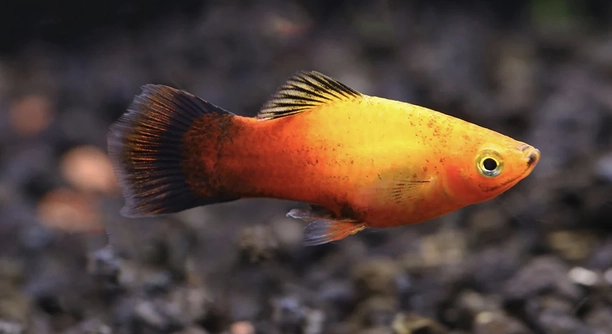
Platies are popular freshwater fish known for their vibrant colors and peaceful nature. Many aquarium owners enjoy watching their lively movements and social behavior. Sometimes, these fish may suddenly stop moving, which can be surprising to see.
Platies freeze in place mainly due to stress, poor water conditions, or sudden temperature changes. These factors affect their nervous system and metabolism, causing them to become immobile as a defense or survival response. Addressing the environment helps prevent this behavior.
Understanding why platies freeze can improve their care and well-being. Learning more about their needs ensures a healthier and happier aquarium environment for these colorful fish.
Causes of Platies Freezing in Place
Platies may suddenly freeze because of changes in their environment. One common cause is poor water quality. High levels of ammonia, nitrites, or nitrates can stress fish and make them stop moving. Another factor is temperature fluctuations. Platies prefer stable temperatures between 72°F and 78°F. If the water gets too cold or too warm too fast, they may freeze. Stress from overcrowding or aggressive tank mates can also cause this behavior. Illness or parasites sometimes make platies inactive as well. Watching your fish closely can help you notice if something is wrong early. Regular water tests and keeping the tank clean are important steps to prevent freezing. Sudden loud noises or vibrations outside the tank may startle platies, causing them to pause briefly. Understanding these factors allows for quick action to keep platies healthy and active.
Keeping water stable and clean reduces platies’ chances of freezing in place.
Freezing can be a sign of distress, so it’s important to observe other symptoms like loss of appetite or abnormal swimming. If you spot illness signs, consider isolating the affected fish. Regular tank maintenance and monitoring water parameters are key to avoiding problems. Adding plants or hiding spots can help platies feel secure, reducing stress-related freezing. Avoid overcrowding to keep the environment calm. If freezing happens often, reviewing the tank setup and fish compatibility may be necessary. In some cases, consulting a veterinarian with experience in fish health is helpful. Taking these precautions supports your platies’ overall well-being.
How to Help Your Platies When They Freeze
Act quickly by checking your tank’s water quality and temperature when platies freeze.
If you notice freezing, start by testing water for ammonia, nitrites, and nitrates using a reliable kit. Correct any imbalances with partial water changes. Make sure the heater is working properly and set to the right temperature. Remove any aggressive fish or overcrowded conditions. Gently improving the tank environment will help platies feel safe and move normally again. Adding live plants or decorations gives them places to hide and reduces stress. Feeding a balanced diet supports their immune system during recovery. Avoid sudden changes to the tank or handling stressed fish as this may worsen their condition. Observe your platies daily to catch early signs of problems. With careful attention, platies can recover and regain their lively behavior quickly.
Common Environmental Triggers
Sudden changes in water temperature are a major trigger for platies freezing in place. Even a small drop or rise can shock them.
Temperature fluctuations affect platies’ metabolism, making them less active or frozen. This can happen if the heater fails or the room temperature changes quickly. Sudden cold water can slow their body functions, causing them to stop moving. On the other hand, water that gets too warm can cause stress and oxygen depletion. Both extremes disrupt their comfort and health. Consistent water temperature is key to keeping platies active and healthy in the aquarium.
Light and noise disturbances also cause freezing behavior. Bright lights or loud sounds can startle platies, making them freeze momentarily. Sudden noises outside the tank or vibrations from tapping the glass may trigger this. A quiet, stable environment helps reduce these stress responses. Using a tank cover and placing the aquarium away from heavy foot traffic or loud appliances can keep platies calm.
Signs of Stress and Illness
Stress and illness often cause platies to freeze for longer periods. Watch for other symptoms like faded colors, clamped fins, or loss of appetite.
When platies are stressed or sick, freezing may be a sign they are conserving energy or avoiding danger. Poor water quality, infections, or parasites can weaken their immune system, leading to inactivity. Stress from overcrowding or bullying can also trigger this behavior. If your platy shows multiple signs, such as labored breathing or unusual swimming patterns, it may need treatment. Early intervention with proper care and water management improves their chances of recovery.
To prevent stress and illness, maintain a clean tank and monitor water regularly. Provide enough space and peaceful tank mates. A balanced diet rich in nutrients supports their health. Quarantining new fish before adding them to the main tank helps avoid disease spread. Keeping an eye on their behavior daily allows quick action if problems arise. This vigilance is essential for healthy, active platies.
Preventing Freezing Episodes
Keeping water temperature stable is essential to prevent freezing episodes in platies. Use a reliable heater and avoid placing the tank near drafts or windows.
Regular water changes and cleaning reduce toxins that stress fish. Maintain proper filtration to keep the environment healthy. These simple steps lower the chance of platies freezing.
Importance of Proper Diet
A balanced diet strengthens platies’ immune systems and energy levels. Feeding high-quality flakes, pellets, and occasional live or frozen foods ensures they get necessary nutrients. Avoid overfeeding to prevent water quality issues, which can cause stress and freezing behavior.
Monitoring Behavior
Observe your platies daily for changes in movement or appetite. Early detection of freezing or other unusual signs helps you respond quickly and keep them healthy.
FAQ
Why do my platies suddenly freeze in place?
Platies freeze mainly because of stress, sudden changes in water temperature, poor water quality, or illness. When conditions in the tank become uncomfortable or unsafe, they stop moving as a way to conserve energy or protect themselves. Stress from overcrowding or aggressive tank mates can also cause this behavior.
Is freezing a sign of illness in platies?
Freezing can be a sign of illness, especially if it lasts for a long time or comes with other symptoms like loss of appetite, faded colors, or clamped fins. Diseases, parasites, or infections weaken the fish and may cause them to become inactive. It’s important to observe all signs to decide if treatment is needed.
How can I tell if my platies are stressed?
Stress in platies shows through behavior changes such as freezing, hiding more than usual, loss of appetite, or erratic swimming. Physical signs may include dull colors or damaged fins. Stress often results from poor water conditions, aggressive tank mates, or sudden environmental changes.
What water parameters are best for platies?
Platies thrive in water temperatures between 72°F and 78°F, with a pH of 6.8 to 8.0 and moderate hardness. Ammonia and nitrites should be at 0 ppm, and nitrates kept under 20 ppm. Keeping these levels stable helps prevent stress and freezing behavior.
Can sudden temperature changes cause freezing?
Yes, sudden temperature drops or rises can shock platies. Their metabolism slows in cold water, causing them to freeze. Warm water that’s too hot can stress them and reduce oxygen levels. Stable temperature control is key to preventing freezing episodes.
What should I do if my platy freezes?
Check water quality and temperature immediately. Perform partial water changes if toxins are high. Ensure the heater is working properly. Remove aggressive tank mates or reduce overcrowding. Provide hiding spots and keep the environment calm to reduce stress.
Does diet affect platy behavior?
A poor diet can weaken platies and make them more prone to stress and illness, which may cause freezing. Feeding a varied diet of quality flakes, pellets, and occasional live foods keeps them healthy and energetic.
Can stress from tank mates cause platies to freeze?
Yes, aggressive or overly active tank mates can stress platies, causing them to freeze or hide. Keeping peaceful, compatible fish together reduces stress and supports normal activity.
How often should I clean my platy tank?
Partial water changes of 20-30% weekly help maintain water quality. Cleaning the substrate and filter regularly prevents toxin buildup. A clean tank reduces stress and health issues that lead to freezing behavior.
When should I see a vet for my platies?
If freezing lasts for several days or comes with other illness signs like unusual spots, swelling, or constant hiding, consider consulting a vet experienced with fish. Early diagnosis can improve treatment success.
Platies are lovely fish that many people enjoy keeping in their aquariums. Sometimes, they may freeze in place, which can be worrying. This behavior is usually a response to stress or changes in their environment. Factors like sudden temperature shifts, poor water quality, or illness can cause platies to stop moving. Understanding these reasons is important for anyone who cares for these fish. When you know what affects your platies, you can take steps to create a safe and comfortable home for them.
Maintaining a stable environment is key to keeping platies active and healthy. This includes keeping the water temperature steady, cleaning the tank regularly, and testing water quality often. Avoiding overcrowding and selecting peaceful tank mates also helps reduce stress. Feeding platies a balanced diet provides the nutrients they need to stay strong and energetic. Watching their behavior daily lets you spot any problems early. If a platy freezes often or shows other signs of illness, it may need special care or even help from a vet.
Taking care of platies requires attention and patience. Sometimes small changes make a big difference in their well-being. Freezing in place is usually a sign that something in their environment needs to be fixed or improved. By learning about their needs and responding quickly, you can help your platies feel safe and lively. With proper care, these fish will bring color and life to your aquarium for a long time. Remember, a calm and clean tank is the best way to keep your platies happy.

Hello,
If you enjoy the content that we create, please consider saying a "Thank You!" by leaving a tip.
Every little bit helps us continue crafting quality advice that supports the health, happiness, and well-being of pets around the world, for pets of all shapes, sizes, and species.
We really appreciate the kindness and support that you show us!