
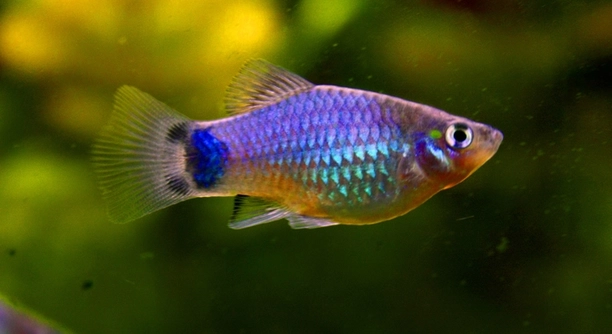
Platies are popular freshwater fish known for their bright colors and lively behavior. Many fishkeepers enjoy watching them swim actively around the tank. Sometimes, their energy level may seem higher than expected.
Platies can be very active swimmers, which is normal for their species. However, excessive or frantic activity may indicate stress, poor water conditions, or lack of hiding spots. Monitoring their behavior helps maintain a healthy environment for these fish.
Understanding what drives platies’ activity levels can improve their care and well-being. This article will explain key factors influencing their behavior and how to create a comfortable home for them.
Understanding Platies’ Natural Activity
Platies are naturally active fish that enjoy exploring their environment. In the wild, they swim around plants and rocks, searching for food and shelter. This instinct stays with them in home aquariums. Their activity helps keep them healthy by encouraging exercise and reducing boredom. However, some tank conditions can cause them to be more active than usual. For example, sudden changes in water temperature or quality may stress the fish, making them swim rapidly or nervously. Overcrowding can also push platies to move constantly, trying to find personal space. Providing a well-planted tank with enough hiding spots helps balance their activity. Proper feeding schedules and stable water conditions will also support a calm, healthy fish. Observing their usual behavior allows you to notice if something is off, making it easier to act quickly and improve their habitat.
Platies’ energy often reflects their comfort level in the tank. Healthy, content fish swim confidently and calmly.
Platies need a stable and enriched environment. Adding plants, gentle filters, and consistent lighting reduces stress. These small changes promote natural activity without overwhelming them. Balancing tank mates is important too, as aggressive fish can cause unnecessary stress. A peaceful community tank encourages platies to display their natural, moderate activity. Regular water testing prevents harmful chemical build-up that might trigger frantic swimming. Feeding small amounts multiple times a day keeps their energy steady and avoids overfeeding. This careful care routine helps maintain healthy, happy platies that show their bright colors and playful nature in the best way possible.
Signs That Activity May Be Too High
Unusually high activity can signal problems. Look for frantic swimming, darting, or constant hiding.
Excessive movement in platies usually means stress or discomfort. Poor water quality is a common cause, with ammonia or nitrate spikes leading to nervous behavior. Sudden temperature changes can shock them, increasing activity levels as they try to adjust. Tank overcrowding forces fish to compete for space and resources, making them restless. Another reason might be aggressive tank mates that chase or nip at them. Providing a proper environment with stable water parameters, enough room, and calm companions is essential. When platies have a peaceful setting, their activity naturally calms. Keeping a close eye on these signs helps prevent illness and ensures a long, healthy life for your fish.
How to Manage Platies’ Activity
Adjusting tank conditions is key to managing platies’ activity. Stable water parameters and plenty of hiding spots help reduce stress.
Start by testing water regularly to keep ammonia, nitrite, and nitrate levels low. Use a gentle filter to maintain clean water without strong currents. Add live or artificial plants for shelter, giving platies places to rest and feel safe. Space is important too—avoid overcrowding to minimize competition and agitation. Feeding small, frequent meals prevents sudden bursts of energy from hunger or overeating. Watch your fish daily to notice any changes in behavior early. With these steps, you can create a calm environment that encourages healthy activity levels and supports your platies’ well-being.
Platies benefit from a routine that mimics their natural environment. Consistency in lighting and feeding times reduces stress and frantic swimming. Avoid sudden changes in temperature or tank setup, as these can increase their activity sharply. Providing a peaceful community tank helps prevent aggressive encounters, which can also cause excessive movement. Simple adjustments make a big difference in keeping platies balanced and happy.
Exercise and Enrichment for Platies
Platies need regular movement to stay healthy. Providing space and stimulating surroundings encourages natural exercise.
Offering a varied environment with plants, rocks, and open swimming areas helps platies stay active without becoming overly stressed. Toys or floating objects can add interest, keeping their minds engaged. Avoid overcrowding to allow room for swimming, which promotes muscle strength and overall fitness. Feeding live or frozen foods occasionally encourages hunting behavior and natural exercise. Regular activity supports a strong immune system and vibrant coloration. With proper enrichment, platies maintain a good balance between activity and rest, showing their best behavior in your aquarium.
Common Causes of Overactivity
Stress is a major cause of overactivity in platies. Changes in water quality or temperature can quickly upset them.
Aggressive tank mates also push platies to swim excessively as they try to escape. Identifying and correcting these factors is essential for their health.
Monitoring Water Quality
Regular water testing is crucial. Even small spikes in ammonia or nitrite can stress platies, causing unusual behavior. Maintaining stable water parameters helps keep their activity normal and prevents health issues.
Importance of a Balanced Diet
Feeding platies the right amount and type of food supports steady energy levels. Overfeeding can cause hyperactivity, while underfeeding leads to frantic searching for food. A balanced diet helps maintain calm and healthy fish.
FAQ
Can platies be too active for their own good?
Platies are naturally energetic fish, but excessive activity can indicate stress or poor tank conditions. When they swim frantically or constantly dart around, it often means something is wrong. It could be water quality issues, an inappropriate tank setup, or aggressive tank mates. Overactive platies may tire themselves out or become vulnerable to illness. Keeping their environment stable and comfortable helps keep their activity at a healthy level.
What causes platies to swim wildly or erratically?
Erratic swimming is often a sign of stress. Common causes include sudden changes in water temperature, poor water quality, or the presence of aggressive fish in the tank. If the tank is overcrowded, platies might swim quickly to escape other fish or find space. Parasites or illness can also cause unusual movement. Observing these behaviors early and testing water conditions can help prevent serious problems.
How can I tell if my platies are stressed?
Stress in platies shows through several behaviors: excessive swimming, hiding more than usual, loss of color, or lack of appetite. They may also gasp at the water surface if oxygen levels are low. Stress often comes from poor water quality, inappropriate temperature, or unsuitable tank mates. Regular observation and water testing can help you catch stress signs early and improve their environment.
Is it normal for platies to chase each other?
Some chasing is normal, especially among males competing for dominance or females during breeding. However, constant chasing or aggressive behavior can stress the fish. If chasing leads to injuries or fatigue, the tank may be too small or overcrowded. Adding plants and hiding spots can reduce aggression and give the fish places to retreat.
How often should I feed my platies to maintain balanced activity?
Feeding small amounts two to three times a day works best. Overfeeding can cause sudden bursts of energy and water quality issues, while underfeeding makes platies frantic in search of food. A balanced diet of flakes, pellets, and occasional live or frozen foods keeps energy steady and supports overall health.
What tank conditions help keep platies calm and healthy?
Stable water temperature between 72°F and 78°F is ideal. Regular water changes and testing keep ammonia, nitrite, and nitrate levels low. A moderate filter flow prevents strong currents that may stress platies. Including plants and decorations provides shelter and reduces stress by offering hiding spots. A tank size of at least 10 gallons per group allows enough space for swimming.
Can lighting affect platies’ activity?
Yes. Sudden changes or very bright lighting can stress platies, causing them to swim nervously. A consistent light cycle of about 10-12 hours daily mimics natural conditions and helps regulate their behavior. Providing shaded areas with plants or decorations gives fish places to rest from light if needed.
Should I separate an overly active platy from the tank?
Separating a platy is usually not necessary unless it is injured or sick. Instead, focus on improving tank conditions. Reducing stressors like aggressive tank mates, poor water quality, or overcrowding helps calm the fish. If the behavior persists after changes, consulting a vet or fish specialist may be helpful.
Do platies need exercise, or should I try to reduce their activity?
Platies need regular movement to stay healthy, so some activity is good. The goal is to maintain natural, steady swimming rather than frantic bursts or constant restlessness. Providing a stimulating environment with space to swim and hiding places supports healthy exercise and reduces stress-related overactivity.
Can changes in diet affect platies’ activity levels?
Yes, diet influences energy. Feeding high-protein foods can increase activity temporarily, while poor nutrition may cause lethargy or frantic food searching. A varied diet including flakes, pellets, and occasional live foods supports balanced energy. Avoid overfeeding to prevent spikes in activity and water quality issues.
How important is tank size for platies’ activity?
Tank size directly affects their comfort and activity. Small tanks limit swimming space, causing stress and excessive movement as fish compete for room. A minimum of 10 gallons for a small group is recommended. Larger tanks with plants and open spaces allow platies to swim naturally and stay calm.
What are signs that platies are happy and active in a healthy way?
Happy platies swim smoothly and explore their tank without frantic movements. They interact calmly with tank mates, eat regularly, and show bright, vibrant colors. Resting among plants or decorations is normal too. Balanced activity with moments of rest indicates good health and a comfortable environment.
Platies are lively little fish that add energy and color to any aquarium. Their natural activity is part of what makes them so enjoyable to watch. However, it is important to remember that too much activity can sometimes signal problems in their environment. Understanding how to balance their energy helps keep platies healthy and happy. When platies swim calmly and explore without stress, it usually means their tank conditions are good and their needs are met. Paying attention to their behavior is one of the best ways to ensure they thrive.
Keeping platies active but not overly so involves creating a stable and comfortable habitat. This means regular water testing to keep ammonia, nitrite, and nitrate levels low, as poor water quality can make them restless. Tank size matters too—providing enough space for swimming and hiding reduces competition and stress. Plants and decorations serve as safe spots where platies can rest when they need a break from activity. Feeding a balanced diet in small amounts throughout the day also helps keep their energy steady, avoiding sudden bursts or lethargy. Simple changes like these can make a big difference in managing their activity levels.
Observing your platies daily and understanding what is normal behavior will help you notice any changes early. If they become overly active or show signs of stress, checking water conditions and tank setup is a good first step. Avoid overcrowding and aggressive tank mates, as these can increase stress and lead to excessive swimming. With careful care and attention, platies will show their natural playful side without becoming too active or stressed. This balance is key to a healthy aquarium where both the fish and their keepers can enjoy a peaceful, vibrant environment.

Hello,
If you enjoy the content that we create, please consider saying a "Thank You!" by leaving a tip.
Every little bit helps us continue crafting quality advice that supports the health, happiness, and well-being of pets around the world, for pets of all shapes, sizes, and species.
We really appreciate the kindness and support that you show us!