
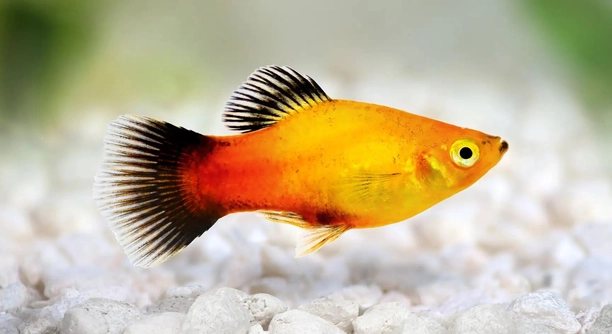
Platies are popular freshwater fish known for their peaceful nature and bright colors. Many aquarists enjoy keeping them in community tanks because of their easy care requirements. Understanding how platies interact with their environment helps provide better care for these fish.
Platies can sense vibrations from outside their tank through their lateral line system, which detects movement and changes in water pressure. This sensory ability allows them to respond to external stimuli, helping them stay alert to potential threats or changes around their habitat.
Learning how platies react to vibrations can improve how you set up and maintain their tank environment. This knowledge is helpful for creating a calm and healthy space for your fish to thrive.
How Platies Detect Vibrations
Platies detect vibrations mainly through a sensory organ called the lateral line system. This system runs along the sides of their bodies and helps them pick up movements and changes in water pressure. When something causes a ripple or vibration in the tank, the lateral line senses it immediately. This helps platies react quickly to potential dangers like predators or sudden disturbances. Besides the lateral line, their sensitive skin and fins can also pick up subtle vibrations. These senses combined allow platies to stay aware of their surroundings, even if the source of the vibration is outside the tank. For example, footsteps or tapping on the tank glass create vibrations that platies can feel, which might make them swim faster or hide. Understanding this helps in reducing stress for platies by avoiding unnecessary tapping or shaking of the tank. A calm environment leads to healthier and happier fish.
The lateral line system is a crucial part of how platies sense their environment and stay safe. It detects both small and large vibrations effectively.
Being aware of how vibrations affect platies lets you create a more peaceful tank setup. Minimizing external disturbances helps keep your fish comfortable and less stressed, which supports their overall health.
Effects of Vibrations on Platies
Vibrations can influence platies’ behavior and well-being in several ways. Sudden or strong vibrations often startle them, causing stress or erratic swimming. Prolonged exposure to vibrations may make platies more anxious and less likely to eat. If vibrations come from frequent tapping or loud noises near the tank, platies might hide more often or become less active. These responses can reduce their immune system function, making them prone to illness. On the other hand, gentle water movement caused by vibrations within the tank itself can encourage natural behaviors like exploring and swimming. This means that not all vibrations are harmful; it depends on the intensity and source. Knowing when vibrations help or harm platies can improve how you manage their tank environment.
Minimizing sudden external vibrations and providing steady water movement creates a balanced habitat for platies.
By controlling vibration levels, you encourage natural activity without causing unnecessary stress. Proper tank placement away from heavy foot traffic or loud appliances also limits unwanted disturbances. Monitoring your platies’ reactions helps identify any problems early. This care ensures they stay healthy and display their bright, lively nature.
How to Minimize Stress from Vibrations
Reducing vibrations around the tank is key to keeping platies calm. Avoid tapping the glass and place the tank away from heavy foot traffic or loud appliances. These steps help lower unnecessary disturbances.
Positioning your tank in a quiet area can significantly reduce stress for platies. Vibrations caused by loud noises or constant movement near the tank may trigger fear responses. Using a sturdy stand and placing a mat under the tank can absorb some vibrations. Keeping the tank in a low-traffic room also helps prevent sudden shocks from footsteps or door slams. These simple adjustments create a more peaceful environment for your fish.
Regularly monitoring your platies’ behavior helps you notice signs of stress caused by vibrations. If they seem jumpy or hide frequently, check the surroundings for possible sources. Adjusting tank location or using soundproofing materials around the tank can further reduce vibrations. Providing stable water conditions and gentle filtration supports their overall comfort and health.
Natural Tank Movements vs. External Vibrations
Water movement within the tank, like gentle currents from filters or air pumps, is healthy for platies. It mimics natural environments and encourages normal swimming behaviors. Unlike harsh external vibrations, these controlled movements do not cause stress.
Platies benefit from steady water flow because it helps oxygenate the tank and prevents stagnant areas. This kind of movement stimulates their natural instincts and keeps them active. However, vibrations from outside sources, such as people walking nearby or loud noises, tend to be irregular and alarming. These external disturbances do not provide any environmental benefit and often disrupt fish behavior. Understanding this difference helps maintain a balanced aquarium where platies can thrive naturally without unnecessary stress.
Signs Your Platies Are Stressed by Vibrations
Platies that feel stressed from vibrations often swim frantically or hide more than usual. They may also stop eating or act skittish when the tank is touched.
Other signs include darting around the tank or staying close to the bottom. These behaviors show discomfort and a need for a calmer environment.
Best Tank Placement to Avoid Vibrations
Place the tank on a sturdy surface away from busy areas in your home. Avoid locations near doors, loud appliances, or heavy foot traffic. A quiet, stable spot reduces sudden vibrations and helps your platies feel secure.
Using Decorations to Buffer Vibrations
Adding plants and decorations can help absorb and soften vibrations in the tank. These elements also provide hiding spots, which comfort stressed fish.
Dense plants and smooth rocks reduce the effect of waves and disturbances caused by tapping or movements near the tank.
Monitoring Fish Behavior Regularly
Keep an eye on your platies’ behavior to catch signs of stress early. Regular observation helps you adjust the environment before problems worsen.
FAQ
Can platies feel vibrations outside the tank?
Yes, platies can sense vibrations from outside the tank using their lateral line system. These vibrations travel through the glass and water, alerting them to nearby movements or disturbances. This ability helps them stay aware of their surroundings and react quickly if needed.
How do platies react to sudden vibrations?
Sudden vibrations often startle platies, causing them to swim erratically or hide. They may become stressed if exposed to frequent or strong vibrations, which can affect their appetite and behavior. Reducing these disturbances helps keep them calm.
Are all vibrations harmful to platies?
Not all vibrations are harmful. Gentle water movement from filters or air pumps provides a healthy environment and encourages natural swimming. It is the irregular, loud, or strong external vibrations that tend to cause stress in platies.
What are common sources of vibrations that bother platies?
Common sources include tapping on the tank glass, loud noises, footsteps near the tank, and appliances like washing machines or speakers. These create vibrations that travel through the tank and unsettle the fish.
Can vibrations cause long-term harm to platies?
Prolonged exposure to stress from vibrations can weaken a platy’s immune system, making it more susceptible to disease. It may also reduce their lifespan if not managed properly by controlling the tank environment.
How can I tell if my platies are stressed from vibrations?
Signs of stress include frantic swimming, hiding, loss of appetite, and unusual aggression or lethargy. Watching for these behaviors helps identify when vibrations or other issues affect your fish.
What steps can I take to reduce vibrations near my tank?
Place the tank on a sturdy stand with a cushioning mat underneath. Keep it away from heavy foot traffic, loud appliances, and frequently used doors. Avoid tapping the glass and minimize loud noises nearby.
Do tank decorations help with vibration stress?
Yes, plants and decorations absorb some vibrations and provide shelter, making fish feel safer. Dense plants and rocks help reduce the impact of external disturbances, creating a calmer tank environment.
Is the lateral line system unique to platies?
No, many fish have a lateral line system that helps detect vibrations and pressure changes. It is an essential survival feature that allows fish to sense their surroundings and communicate with other fish.
Should I be concerned if my platies occasionally react to vibrations?
Occasional reactions are normal as platies are naturally alert. The concern arises with frequent or intense vibrations causing ongoing stress. Managing the tank environment helps reduce these negative effects.
Can I train platies to ignore vibrations?
Platies can become somewhat accustomed to certain vibrations if they are consistent and non-threatening. However, sudden or loud vibrations will always trigger a natural response to stay safe.
Are vibrations the only stress factor for platies?
No, platies can be stressed by poor water quality, aggressive tank mates, improper temperature, and insufficient hiding places. Vibrations are one of several factors to manage for healthy fish.
How often should I observe my platies for stress signs?
Daily observation is best, even if briefly. Noticing small changes early allows you to adjust conditions quickly and keep your fish comfortable.
Can vibration stress affect platy breeding?
Yes, stressed platies may breed less frequently or produce weaker offspring. A calm, stable environment encourages healthier breeding behavior.
What should I do if my platies are very stressed?
Start by identifying and removing the source of vibrations. Improve tank conditions with plants and decorations, maintain water quality, and reduce noise. If needed, consult a specialist for additional care advice.
Do platies respond differently to vibrations depending on their size or age?
Younger or smaller platies might be more sensitive to vibrations as they are more vulnerable. Adult platies may tolerate some disturbances better but still benefit from a quiet environment.
Is it okay to tap the tank gently to get a platy’s attention?
Gentle tapping might get their attention but can cause stress if done repeatedly. It’s better to avoid tapping to keep a peaceful environment for your fish.
Can vibrations from nearby construction or heavy traffic affect platies?
Yes, strong vibrations from construction or heavy traffic can travel through floors and walls to the tank. These can stress the fish if they occur frequently or are intense.
What’s the best way to test if vibrations are stressing my platies?
Observe their behavior before and after potential vibration sources, like loud noises or tapping. If they show signs of distress consistently, vibrations are likely the cause.
Are there products that help reduce vibrations for fish tanks?
Yes, anti-vibration mats and foam pads can be placed under tanks to absorb shocks. Some stands are designed to reduce vibrations as well. These help create a more stable environment.
How important is tank placement in managing vibrations?
Tank placement is very important. A quiet, low-traffic spot away from appliances and heavy foot traffic reduces vibrations and stress. It’s one of the easiest ways to improve tank conditions.
Can platies sense vibrations through the air or only through water?
Platies primarily sense vibrations transmitted through water and the tank structure. Vibrations in the air have less direct impact unless they cause the tank to shake.
What other senses do platies use to stay alert?
Besides vibrations, platies use their vision and sense of smell to detect food, predators, and mates. These senses work together to keep them safe and healthy.
Is it normal for platies to startle easily?
Yes, platies are naturally cautious and alert. They startle easily as a survival mechanism. Reducing sudden disturbances helps them feel more secure over time.
Platies are sensitive fish that rely heavily on their ability to sense vibrations in their environment. This natural ability helps them stay alert to potential dangers and changes around their tank. While they benefit from gentle water movement inside the tank, vibrations coming from outside sources can sometimes cause them stress. These vibrations travel through the tank glass and water, making platies react quickly to sudden disturbances. Understanding how platies sense and respond to vibrations is important for anyone who wants to provide a healthy and comfortable environment for their fish.
Stress from external vibrations can lead to several changes in platy behavior. They might swim frantically, hide more often, or lose their appetite when exposed to frequent or strong vibrations. Over time, this stress can affect their immune system and overall health. Simple actions such as placing the tank away from loud noises, avoiding tapping on the glass, and using decorations to absorb vibrations can make a big difference. Creating a calm and stable environment helps platies feel safe and reduces their stress levels, which supports their well-being and longevity.
Taking care of platies means paying attention to both their physical needs and their sensitivity to environmental factors like vibrations. Regular observation of their behavior helps identify any signs of stress early on, allowing for timely adjustments to their surroundings. By minimizing harmful vibrations and promoting gentle water flow inside the tank, it is possible to create a balanced habitat where platies can thrive naturally. These small but important steps contribute to the happiness and health of platies, making them more enjoyable to keep as pets.

Hello,
If you enjoy the content that we create, please consider saying a "Thank You!" by leaving a tip.
Every little bit helps us continue crafting quality advice that supports the health, happiness, and well-being of pets around the world, for pets of all shapes, sizes, and species.
We really appreciate the kindness and support that you show us!