
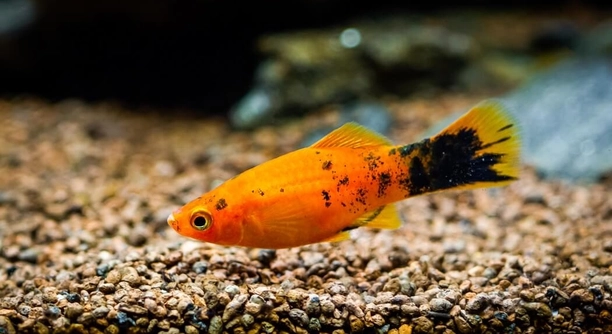
Is your platy swimming around a single rock repeatedly? This behavior is common among these lively fish and can leave owners wondering about its cause. Understanding why this happens can help you care better for your aquatic pet.
Platies may circle a single rock due to territorial instincts, seeking comfort in familiar surroundings, or following natural behaviors related to breeding or feeding. This repetitive movement is often a response to environmental factors or stress within the aquarium.
Knowing the reasons behind this behavior can help you create a healthier environment for your platy and improve its overall wellbeing.
Common Reasons for Platy Circling a Single Rock
Platies often circle a single rock because they feel safe near a familiar object in their tank. Rocks provide shelter and a place to hide, which helps reduce their stress. Sometimes, this behavior happens when the tank environment is not ideal—like when there is overcrowding, poor water quality, or not enough places to explore. The fish may also be marking their territory or showing mild aggression toward other tank mates. Another reason is related to breeding behavior; males sometimes swim near specific spots to attract females or defend their breeding area. Observing your platy’s behavior and tank conditions can help determine if any adjustments are needed to improve its comfort and reduce repetitive circling.
This behavior is usually harmless unless it becomes obsessive or your fish shows signs of stress or illness.
If the circling seems excessive, consider checking water parameters, adding more decorations, or separating aggressive fish to create a balanced environment.
How Tank Setup Affects Platy Behavior
The layout and size of your aquarium can greatly impact how your platy behaves. A small or overcrowded tank limits space for swimming and can cause fish to repeat patterns around familiar spots. Rocks, plants, and other decorations provide enrichment, giving the fish places to explore and feel secure. Without enough hiding spots, platies might fixate on a single rock as a comfort zone. Proper filtration and regular water changes keep the water clean, which reduces stress and encourages normal activity. Also, lighting and tank mates play a role; bright lights or aggressive neighbors can make fish feel threatened. Adjusting your tank setup to meet the needs of your platy will help reduce repetitive circling and promote healthier behavior. A well-planned tank creates a more natural and stimulating environment, supporting your fish’s wellbeing.
Signs of Stress in Your Platy
Platies showing repetitive circling might be stressed. Watch for other signs like loss of appetite, faded colors, or hiding more than usual. Stress can weaken their immune system and lead to illness if not addressed quickly.
Stress in platies often results from poor water quality, overcrowding, or aggressive tank mates. When these conditions persist, fish display nervous behavior such as swimming in circles or rubbing against objects. Stress affects their overall health and behavior, so it is important to identify the root causes. Regular tank maintenance, proper feeding, and ensuring peaceful companions help reduce stress and improve their quality of life.
Observing your platy closely allows you to act quickly if stress symptoms appear. Providing a calm and clean environment helps them feel safe and more active. Adjustments to tank setup or water conditions often bring positive changes in behavior.
Improving Your Platy’s Environment
Creating a comfortable habitat reduces repetitive circling. Use plants, rocks, and hiding spots to mimic natural surroundings. A well-decorated tank encourages exploration and relaxation for your fish.
Maintain clean water by testing regularly and doing partial water changes weekly. Avoid overcrowding by keeping appropriate fish numbers for your tank size. Choose peaceful tank mates to prevent aggression, which can cause stress and unusual behavior. Keep the water temperature stable and within the recommended range for platies, usually between 72-78°F (22-26°C). Proper lighting helps maintain their natural rhythm but avoid overly bright or constant light that may cause discomfort.
A balanced environment supports your platy’s health and happiness. When your fish feel secure and stimulated, they are less likely to fixate on a single spot or show stress-related behaviors.
Feeding Habits and Their Effect
Platies may circle a rock near their food source. They often associate specific spots with feeding time. This behavior can become routine if feeding is consistent in one area.
Uneaten food near rocks can attract platies and cause repeated swimming around that spot. Regular cleaning helps prevent this.
Breeding Behavior in Platies
Male platies often circle rocks or other decorations as part of their breeding ritual. This behavior signals to females and establishes a small territory. Males may also chase rivals away to protect this area, which can explain the repeated circling around a single rock.
When to Seek Help
If circling is excessive and your platy shows signs of distress, a vet visit is recommended. Early intervention can prevent health problems from worsening.
FAQ
Why is my platy circling a single rock nonstop?
Platies often circle a rock because it provides a safe, familiar spot in their tank. This behavior can be a sign of comfort or a way to mark territory. Sometimes, it happens when the tank lacks enough hiding places or stimulation, causing the fish to fixate on one area.
Is it normal for my platy to circle the same rock all day?
It can be normal if your tank environment is limited or if the fish is breeding. However, if the circling is constant and obsessive, it might indicate stress, poor water quality, or an unbalanced tank setup.
Can tank size affect my platy’s circling behavior?
Yes, a small or overcrowded tank can limit your platy’s swimming space, causing repetitive movements around familiar objects like rocks. Giving your fish more room and adding decorations to explore usually reduces this behavior.
Could water quality cause my platy to circle a rock?
Poor water quality can stress fish, leading to odd behaviors like circling. High ammonia, nitrites, or incorrect pH levels can cause discomfort. Testing and maintaining clean water helps your platy stay healthy and less stressed.
Does circling a rock mean my platy is sick?
Not necessarily. Circling can be normal behavior, but if your platy also shows other signs such as lethargy, loss of appetite, or faded colors, it could indicate illness. Monitor your fish closely and adjust tank conditions as needed.
What should I do if my platy’s circling seems obsessive?
Try improving the tank environment by adding plants, rocks, or hiding spots. Check water parameters and ensure the tank is not overcrowded. If behavior continues, consider consulting a vet or experienced aquarist.
Can tank mates influence my platy’s circling?
Yes, aggressive or overly active tank mates can stress your platy. Stress may cause repetitive circling or hiding behaviors. Choose peaceful companions and monitor interactions to maintain harmony.
Is circling behavior related to platy breeding?
Male platies often circle rocks or decorations during breeding as part of courtship or territory defense. This behavior is natural but may look repetitive or obsessive if breeding is active in the tank.
How often should I clean the tank to prevent stress-related circling?
Regular partial water changes, about 20-30% weekly, keep water clean and reduce stress. Remove uneaten food and debris to prevent poor water conditions that might cause repetitive circling.
Can changes in lighting affect my platy’s behavior?
Yes, overly bright or constant lighting can stress platies, leading to unusual behaviors like circling a rock. Use a timer to provide a natural light cycle with periods of darkness to help your fish relax.
Are there any health issues that cause circling behavior?
Neurological problems or parasites can cause abnormal swimming patterns, including circling. If your platy seems disoriented or uncoordinated, seek veterinary advice.
Does diet impact my platy’s behavior?
A balanced diet keeps your platy healthy and active. Poor nutrition can lead to lethargy or odd behaviors. Feeding varied, high-quality foods helps maintain normal swimming and reduces stress.
What tank size is ideal to prevent repetitive circling?
A tank of at least 10 gallons is recommended for platies to have enough space. Larger tanks provide room to explore, reducing fixation on single spots and promoting natural behavior.
Can adding plants reduce circling behavior?
Yes, live or artificial plants create hiding places and mental stimulation. They encourage your platy to explore rather than repeat movements around one rock.
Should I separate a platy that constantly circles a rock?
If circling is linked to stress from aggressive tank mates, separating the fish temporarily may help. Otherwise, improving tank conditions is usually better than isolation.
How long does it take for platies to stop circling after improving tank conditions?
Behavior improvements can be seen within days to a week after changes like water cleaning, adding hiding spots, or reducing stressors. Patience is important while your fish adjusts.
Is it helpful to rearrange tank decorations if my platy circles one rock?
Yes, rearranging can disrupt fixed paths and encourage exploration. Moving rocks and plants periodically keeps the environment stimulating and prevents repetitive behavior.
Can temperature fluctuations cause circling?
Sudden changes in temperature stress platies and may cause abnormal swimming patterns. Keep the water temperature stable between 72-78°F (22-26°C) to maintain comfort.
What else should I observe if my platy circles a rock?
Look for changes in appetite, color, breathing, or interactions with tank mates. These signs combined with circling can indicate stress or illness needing attention.
Are there any tools or tests to help understand my platy’s behavior?
Testing kits for ammonia, nitrites, nitrates, pH, and temperature are essential. Regular monitoring helps catch issues early, reducing stress-induced behaviors like circling.
Platies circling a single rock is a behavior that can seem strange at first, but it often has simple explanations. This action is usually linked to how comfortable or stressed the fish feels in its environment. Rocks and other decorations provide places for fish to feel safe, and repetitive circling can be a way for platies to claim their space or explore familiar territory. Sometimes, it is connected to natural behaviors like breeding or feeding habits. Recognizing these causes helps in understanding your platy’s needs and adjusting their tank accordingly.
Maintaining a healthy aquarium is important for reducing unwanted behaviors like obsessive circling. Clean water, proper tank size, and peaceful tank mates all contribute to your platy’s wellbeing. Adding plants and hiding spots encourages exploration and relaxation, which can reduce repetitive swimming patterns. It’s also important to watch for signs of stress or illness, such as changes in appetite, color, or energy. If these signs appear, taking action quickly can prevent bigger problems and help your fish stay healthy and active.
Being attentive to your platy’s behavior and environment improves its quality of life. Small changes, like rearranging decorations or checking water conditions, often make a big difference. Understanding why your fish circles a rock lets you provide a better home where your platy can thrive. With the right care and attention, you can enjoy watching your fish behave naturally and happily in their tank.

Hello,
If you enjoy the content that we create, please consider saying a "Thank You!" by leaving a tip.
Every little bit helps us continue crafting quality advice that supports the health, happiness, and well-being of pets around the world, for pets of all shapes, sizes, and species.
We really appreciate the kindness and support that you show us!