
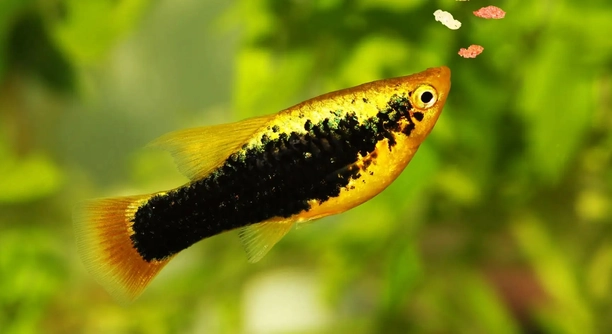
Have you ever watched your platies swimming together and wondered if there’s something more going on beneath the surface behavior?
Platies can form a loose social hierarchy, especially in community tanks with limited space or resources. While not as dominant as in other species, subtle behaviors such as chasing or guarding areas can indicate rank.
These small interactions might seem harmless at first, but they reveal how platies manage space, food, and social balance in shared tanks.
What Social Behavior Looks Like in Platies
Platies tend to swim peacefully, but their actions often reflect more than just random movement. Some individuals will follow others closely, while a few may take over the best hiding spots or hover around food areas more assertively. These small patterns show signs of a basic pecking order. It’s not aggressive like in some fish species, but there is a noticeable difference in how certain platies behave when compared to others. Dominant platies might display brief chasing or fin flaring, especially when establishing control over specific areas or when food is introduced. Submissive platies, on the other hand, usually move away quietly. You may notice this more in tanks that are slightly crowded or lack enough plant coverage and visual barriers. Watching these behaviors helps you understand how your fish interact and gives you clues about whether your setup is comfortable for all of them or not.
These social cues happen more often when space is limited or during feeding time.
To help reduce social stress, ensure your tank has enough plants, hiding spots, and swimming space. A well-structured tank layout can ease tension between dominant and passive fish. Adding extra feeding zones also helps by reducing food-related pressure. These small changes support a peaceful balance.
Why Hierarchies Form in Platy Tanks
Social order in platy groups develops naturally, especially in limited or overstimulated environments.
In community tanks, platies adjust to their surroundings and tank mates. When space or resources feel restricted, some fish begin showing territorial behavior. This is when social ranks become more visible. A dominant platy may regularly chase others away from a specific area, usually where food drops or where the best shelter exists. This type of behavior isn’t about being aggressive, but about maintaining control in a small, shared space. Sometimes, males display more of this than females, especially during mating periods. Their displays often include short bursts of movement and following behavior. However, female platies can also show a preference for certain areas and keep others at a distance. The longer they stay in a tank together, the more stable the structure becomes. New additions can disrupt it, leading to temporary chasing or unrest. Understanding this helps you manage your tank better by planning space, tank mates, and resource placement thoughtfully.
How Tank Setup Affects Social Structure
Tank layout plays a big part in how platies interact. Without enough plants, hiding spots, or swimming space, some fish may act more dominant. These conditions can cause stress, especially for passive platies trying to avoid conflict.
A tank that’s open and bare gives more control to the bolder fish, often making the quiet ones feel exposed or pushed aside. Adding live plants, rocks, and decorations helps break up lines of sight and gives everyone a chance to rest without being seen. This lowers the need for constant movement and gives less dominant fish places to stay calm. The more places to explore or hide, the less pressure there is to compete. You may also want to rearrange tank items now and then, especially after adding new fish, to reset any strong territory claims and encourage neutral ground. This helps maintain peace without forcing major changes to your tank.
Feeding zones also play a role in shaping behavior. When all the food falls in one place, the most dominant fish tend to guard it. This leaves others with less. A good way to avoid this is to spread food in multiple areas across the tank. It’s simple but works well. Everyone gets a fair shot. With flakes or small pellets, scatter them so that fish must spread out. You can also use feeding rings to give more structure. This reduces crowding and lowers stress. Watching how each platy behaves during feeding time tells you a lot about the group’s balance. If one fish always eats first or guards the space, that’s likely your dominant one. Making small changes in how and where food is given can shift that balance gently over time.
What Happens When New Platies Are Introduced
Adding new platies can temporarily unsettle the group. Even peaceful fish take time to adjust to changes. You might see more chasing, hiding, or short bursts of aggression for a few days. This is normal and usually settles down.
To make introductions easier, rearrange tank décor before adding new fish. This breaks any existing territory claims and encourages all platies to adjust at the same time. Adding more than one new fish also helps—single fish are more likely to be targeted. It’s best to introduce platies that are a similar size to the existing ones. Smaller or weaker fish might get pushed around more. After introducing them, keep an eye on how they’re treated. Short chasing is okay, but if it continues nonstop or causes injury, you may need to make changes. Consider adding plants or dividing the tank temporarily. The more even the environment, the easier it is for new fish to blend in.
Signs of Stress Caused by Social Imbalance
Stressed platies may hide more, eat less, or show faded colors. You might also notice fin nipping, clamped fins, or constant pacing near tank edges. These behaviors often signal discomfort linked to social pressure.
Long-term stress can weaken their immune system, making them more prone to illness. It’s important to spot these signs early and take action. Adding more hiding spots, spreading out food, and reducing crowding can help restore balance and improve their health.
How Gender Ratios Influence Behavior
Male-to-female ratios affect how platies behave in groups. Too many males can lead to chasing and stress, especially if they compete for attention. A good balance is two to three females per male. This helps lower constant pursuit and allows females to rest. If males are too dominant or aggressive, consider separating them into another tank or adding more females to spread out attention. Keeping the gender ratio balanced makes a noticeable difference in how peaceful and stable the tank feels. It also reduces the chance of injuries and helps all your platies live comfortably together.
When to Step In and Make Changes
If one fish is constantly targeted or showing signs of injury, it’s time to intervene. A small divider or moving the aggressive fish may help restore peace.
FAQ
Can platies become aggressive with each other?
Platies are generally peaceful, but they can show mild aggression, especially when the tank is overcrowded or resources are limited. This usually looks like short chases or one fish guarding a certain spot. Males are more likely to behave this way, especially if there are not enough females or if space is tight. It’s not serious in most cases, but constant chasing or fin nipping should be addressed quickly. Adding more plants or rearranging the tank often calms things down. If aggression continues, separating the dominant fish may be needed to give others a break.
Do platies need to live in groups?
Platies do better in groups. While they can survive alone, they’re social fish that feel more secure with others around. A small group of at least three is best, though more is usually better as long as your tank is big enough. Being in a group gives them a sense of safety, helps reduce stress, and keeps them active. If one platy seems shy or hides often, adding more platies sometimes brings it out of its shell. Just be sure your tank can support the extra bioload, and always introduce new fish gradually.
How many males and females should I keep?
The ideal ratio is one male for every two to three females. This keeps the males from constantly chasing one female. If there are too many males, the females can become stressed or even injured from nonstop pursuit. A higher female count spreads out attention and keeps things calmer. If you already have an uneven group, you can add more females or remove a few males. Watching their behavior will tell you if your current setup is working well or if changes are needed. A balanced group usually acts relaxed and swims peacefully together.
Can platies recognize each other?
Platies may not form deep bonds, but they can recognize familiar fish. Over time, they tend to stay near the same tank mates and respond differently to newcomers. They can also remember dominant or aggressive fish and avoid them. These social cues help them stay safe and adjust their behavior as needed. While not emotional in the way mammals are, platies still show preferences and can learn from their environment. You might notice some fish always swimming together while others keep their distance. This is part of their simple but effective way of managing social order.
What size tank is best for a group of platies?
A 10-gallon tank can hold a small group of three to four platies, but a 20-gallon is better for long-term comfort. More space means fewer social issues and more room to explore. It also helps maintain better water quality, which supports their overall health. If you want to keep six or more platies, especially with other tank mates, go for at least a 20-gallon setup. Crowded tanks often lead to chasing, food competition, and stress. Giving them space helps reduce conflict and gives shy fish a chance to settle in comfortably.
Do platies have a leader in their group?
Platies don’t have a clear leader like some schooling fish, but one or two individuals may act more dominant. These fish often take over the best spots or get to the food first. Others will quietly avoid them or change direction when approached. It’s not a rigid hierarchy, but more of a loose order based on confidence and behavior. Over time, roles can shift, especially when new fish are added or the tank layout changes. Watching how your platies interact gives you a better idea of who’s taking the lead and who’s staying out of the way.
Is it normal for one platy to hide all the time?
It’s not unusual for a platy to hide occasionally, but if it’s doing so constantly, it may be stressed or sick. Social pressure from dominant fish is one possible cause. Other times, the fish may just be shy or adjusting to a new environment. Check water quality first to rule out health issues. Then look at tank layout—adding more plants or caves may help it feel safer. If the behavior continues, you might need to separate it or reassess the group’s balance. A healthy, relaxed platy should swim around and interact with others regularly.
Final Thoughts
Platies are peaceful fish, but their behavior shows signs of a simple social structure. In most home tanks, this structure is not strict or aggressive, but it can still affect how your fish interact. You may notice one platy that always eats first, chases others from certain spots, or stays more visible while others move away. These small actions are part of how platies manage space and social balance. Understanding these behaviors helps you know when your fish are comfortable and when changes might be needed to improve their environment.
A stable tank setup makes a big difference in how platies behave. When the space is too open or overcrowded, stronger fish may start guarding certain areas. This can cause other fish to hide more, eat less, or become stressed. Adding plants, decorations, or feeding in more than one area gives all platies a chance to feel secure and relaxed. Gender ratio also matters—too many males can lead to constant chasing, while a balanced group is calmer and more peaceful. Watching how your fish act during feeding, resting, and swimming gives you clues about how they’re handling their space and each other.
While platies don’t form strong attachments or have clear leaders, they do notice changes in their group. New fish can cause a shift in social order, but most groups settle quickly with the right tank setup. Always monitor for stress signs like hiding, fin damage, or loss of color. These signs are often linked to social tension, and small changes can help improve the balance. Keep in mind that each platy has a different personality. Some will naturally be bolder, while others stay quiet. By giving them enough space, cover, and a peaceful environment, you support their natural behavior and help them live comfortably. Watching their interactions closely allows you to create a healthy, balanced tank where all fish can thrive.

Hello,
If you enjoy the content that we create, please consider saying a "Thank You!" by leaving a tip.
Every little bit helps us continue crafting quality advice that supports the health, happiness, and well-being of pets around the world, for pets of all shapes, sizes, and species.
We really appreciate the kindness and support that you show us!