
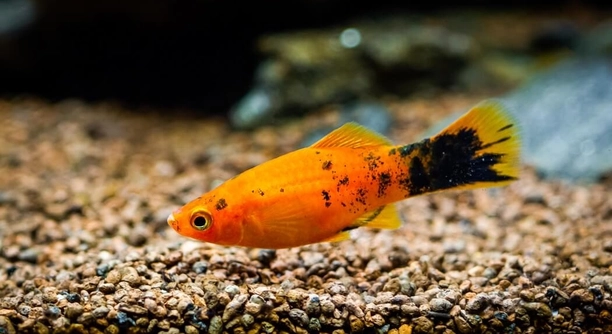
Platies are small, colorful fish often kept in home aquariums. Many fish owners notice how their pets react to changes in light throughout the day. These reactions can sometimes seem like learning or remembering routines.
Platies are capable of learning when the lights turn on through simple conditioning. They quickly associate the light change with feeding times or activity, showing a basic form of learning influenced by environmental cues and routine.
Understanding how platies respond to light can help improve their care and environment. There is more to learn about how these fish interact with their surroundings and daily cycles.
How Platies React to Light Changes
Platies respond quickly to changes in their environment, especially to light. When the aquarium lights turn on, they become more active and often swim toward the area where they expect food. This reaction is natural, as many fish rely on light cues to regulate their daily habits. Over time, platies learn to connect the light turning on with feeding time or other events, showing that they can recognize patterns. This ability helps them survive in their natural habitats, where light signals day and night. In home tanks, it also means they adjust well to consistent schedules, which is important for their health. Creating a routine with light and feeding can reduce stress and make platies more comfortable.
This behavior shows that platies are not just reacting randomly; they actually learn from repeated experiences. Their responses to light can be seen as a form of simple learning.
Keeping a steady light schedule benefits platies by supporting their natural rhythms and encouraging healthy activity throughout the day.
Conditioning Platies to Light
Platies can be conditioned to associate the light turning on with specific actions, like feeding. This is a basic learning process that uses repetition and consistency. When the light comes on at the same time every day, platies begin to expect food soon after. This kind of conditioning helps fish adjust and anticipate what happens next, making them feel secure.
Conditioning works best when tank owners keep a regular schedule for lighting and feeding. If the routine changes often, platies may become confused or stressed. Over time, the fish will swim eagerly when the light goes on, waiting for their meal. This response shows that platies remember the connection between light and food.
Setting a consistent routine makes caring for platies easier and keeps them active and healthy. It also allows owners to better observe their fish’s behavior and health. By understanding this simple learning process, you can create a calm and predictable environment for your platies.
Signs of Learning in Platies
Platies show learning by changing their behavior when the lights turn on. They swim toward feeding spots or become more active around the tank. This shows they remember the light signals something is about to happen.
These fish develop routines based on light and feeding times. Over repeated days, platies start reacting faster to the light, waiting expectantly. This shows a simple but clear form of memory and learning. They are not just reacting instinctively but adapting to their environment.
Watching your platies closely helps you notice these signs. If they swim to the top quickly when the light comes on, it means they have learned to expect food. These small behaviors prove they can adjust based on repeated experiences.
Improving Aquarium Conditions for Platies
A stable environment helps platies learn and feel secure. Consistent light schedules and regular feeding times support their natural rhythms and reduce stress. This creates a better atmosphere for the fish.
Maintaining good water quality and proper temperature is also important. Platies learn better and stay healthy when their tank conditions remain stable. Sudden changes can confuse or stress them, which affects their behavior and learning ability.
By keeping the tank clean and conditions steady, you provide platies with the best chance to thrive. This helps them build habits around light and feeding cues. It also allows you to enjoy watching their natural behaviors without worry.
Light and Feeding Timing
Platies quickly link light changes to feeding time. This connection helps them stay active and ready for food. Consistent timing makes this learning stronger.
When lights turn on at regular intervals, platies become calmer and less stressed. They adjust their daily behavior around these cues naturally.
Benefits of Routine for Platies
A daily routine with set light and feeding times helps platies stay healthy and stress-free. Fish that experience regular schedules show more predictable behavior and better appetite. They also swim more actively and explore their environment with confidence. Establishing a routine reduces sudden changes in behavior, making it easier to care for them. Over time, this predictability improves their overall well-being and supports their natural learning abilities.
Tips for Keeping a Consistent Schedule
Using a timer for aquarium lights can keep the light cycle steady every day. This helps platies adjust without confusion.
FAQ
Can platies really learn to recognize when the lights turn on?
Yes, platies can learn to associate the lights turning on with certain events, like feeding. They respond to light changes by becoming more active and swimming to expected spots, showing they remember what usually happens when the light comes on. This is a simple form of conditioning based on repeated experiences.
How long does it take for platies to learn this?
Platies often learn within a few days to a week if the light and feeding schedule stays consistent. They need repetition to make the connection between light and food. The more regular the routine, the faster they catch on and start showing active behavior right when the lights turn on.
What happens if the light schedule is inconsistent?
If the light turns on at different times each day, platies may become confused or stressed. They rely on regular patterns to feel safe. Inconsistent lighting can disrupt their natural rhythms and delay learning, causing less activity and even reduced appetite.
Can platies learn other things besides the light schedule?
Yes, platies can learn other simple patterns too. For example, they can remember feeding times or recognize when someone approaches the tank. Their learning is basic but enough to adjust behavior based on routines and repeated signals in their environment.
Does learning help platies live longer?
Learning helps platies reduce stress by creating predictable daily patterns. Stress can weaken their immune system, so a stable routine supports their health. While learning alone doesn’t guarantee a longer life, it contributes to better overall well-being and comfort in their tank.
Is it okay to keep the aquarium lights on all day?
No, platies need a proper day-night cycle to stay healthy. Keeping lights on constantly can stress them and disrupt their natural behaviors. About 10 to 12 hours of light per day is best, followed by darkness to let them rest.
What’s the best way to set a lighting schedule?
Using an automatic timer for aquarium lights is the easiest and most reliable method. It ensures the light turns on and off at the same time every day, helping platies adjust naturally. Consistency is key to building their learning and reducing stress.
Can I train my platies like other pets?
Platies can’t be trained like dogs or cats, but they do learn simple associations like light and feeding times. They respond best to consistent routines and gentle care, not tricks or commands. Understanding their limits helps provide the right environment for their needs.
How can I tell if my platies are stressed?
Signs of stress in platies include hiding too much, loss of appetite, slow swimming, or color fading. Irregular light schedules or poor water conditions can cause stress. Keeping a steady routine and clean tank will help your platies stay active and healthy.
Do platies need special care for learning and routine?
No special tools are needed beyond a clean tank, steady lighting, and regular feeding. Patience is important because platies learn slowly but clearly respond to predictable routines. Paying attention to their behavior lets you adjust care to support their learning and comfort.
Platies are small fish that can learn simple routines, especially related to light changes in their tank. When the lights turn on, platies often become more active because they associate this with feeding time or activity. This shows that platies have the ability to remember and respond to regular events in their environment. Learning like this helps them feel more comfortable and less stressed in their home. Keeping a steady light schedule is important because it supports their natural rhythms and makes their daily life predictable.
Having a consistent routine benefits platies in many ways. It not only helps them learn when to expect food, but it also encourages natural behavior, such as swimming and exploring the tank. When platies feel safe and know what to expect, they are healthier and more active. Sudden changes in light or feeding times can confuse them, leading to stress or less movement. A regular schedule with a timer for the lights can help maintain a calm and steady environment. This makes caring for platies easier and more enjoyable.
Overall, understanding how platies respond to light and routine can improve their well-being. By providing consistent lighting, feeding, and a clean tank, owners help platies develop good habits and reduce stress. This simple learning ability is a reminder that even small fish are sensitive to their surroundings and thrive best with predictability. Taking time to observe and maintain these routines supports a healthy, happy aquarium.

Hello,
If you enjoy the content that we create, please consider saying a "Thank You!" by leaving a tip.
Every little bit helps us continue crafting quality advice that supports the health, happiness, and well-being of pets around the world, for pets of all shapes, sizes, and species.
We really appreciate the kindness and support that you show us!