
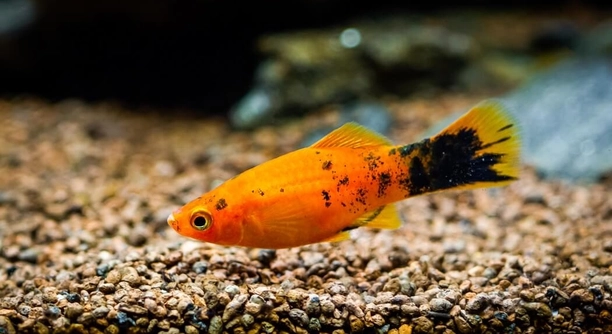
Platies are popular freshwater fish known for their peaceful nature and bright colors. Many people enjoy keeping them in home aquariums as lively and gentle companions. However, sometimes these small fish face stress from others in their tank.
Signs your platy may be getting bullied include hiding often, torn fins, sudden loss of appetite, constant chasing by tank mates, damaged scales, increased stress behavior, and unusual lethargy. Recognizing these signs early helps maintain a healthy environment.
Knowing how to spot bullying in your platy can improve their well-being and keep your aquarium peaceful and enjoyable.
Hiding Often: A Sign of Stress
When a platy hides more than usual, it is often a sign that something is wrong. Fish that are stressed or bullied will look for places to escape from their tank mates. They might stay behind plants, decorations, or in corners of the aquarium. This behavior can cause them to miss out on food and become weaker over time. If you notice your platy hiding frequently, it is important to observe the other fish for signs of aggression. Sometimes, new or overly active fish cause smaller ones to retreat. Providing more hiding spots and rearranging the tank can help. It also reduces tension and allows your platy to feel safer and more comfortable in their environment. Watching closely and acting early can prevent more serious health issues linked to stress.
Hidden platies are at risk of poor health due to limited food intake and increased stress.
Creating a calm tank with enough shelter helps bullied platies regain confidence and reduces hiding. Rearranging decorations can break aggressive fish’s line of sight, giving the bullied fish peace. Consider adding plants or caves to make the space less stressful. If one fish is constantly chasing another, separating them might be necessary for the bullied fish’s health. Regular observation allows quick action to keep all fish happy and healthy.
Torn Fins and Damaged Scales
Torn fins or damaged scales on your platy can point to bullying. When fish fight or chase each other, fins can get ripped or scales scraped off. These injuries may lead to infections if not treated. Fish with damaged fins often show slower movement and avoid others. It is crucial to clean the tank well and maintain water quality to help healing. Injuries can worsen stress, making the fish more vulnerable to further attacks. Regularly checking your platy for physical damage is part of good care. Early signs help catch problems before they get serious. If damage is severe, isolating the injured fish until healed may be needed. Providing a peaceful environment with compatible tank mates will reduce these risks in the future.
Sudden Loss of Appetite
When a platy is being bullied, it may stop eating. The constant stress from aggressive tank mates can cause it to lose interest in food. This can lead to weight loss, weakness, and even illness if not addressed quickly.
A bullied platy might be too scared to swim to the surface or feeding area during mealtimes. It may stay hidden or linger at the bottom while others eat. Over time, this can cause the fish to become malnourished and more vulnerable to disease. Make sure all fish have equal access to food, and try feeding in different spots to prevent bullying during feeding times. Keep an eye on your platy’s eating habits, and if it continues avoiding food, consider separating it temporarily to help it regain strength and appetite in a stress-free space.
Feeding stress can often be managed with simple changes. Try using sinking pellets so food spreads across the tank floor, giving your platy more chances to eat away from aggressive fish. If bullying happens mostly during feeding, watch carefully to identify the aggressive tank mate. In some cases, rearranging the tank layout or adding more decorations can reduce aggressive behavior. A separate hospital tank may also help your platy recover and eat again.
Constant Chasing
Being chased often is a clear sign of bullying. Your platy may look nervous, swim quickly, or try to escape toward the corners. This behavior can cause exhaustion and damage over time, especially when it continues throughout the day without a break.
Frequent chasing can lead to high stress, weakened immunity, and injuries. It may also disrupt the natural rhythm of your platy, affecting its sleep and feeding habits. In tanks that are too small or have too few hiding spots, this behavior gets worse. Make sure your tank is the right size for your fish community and has enough space for each fish to claim a spot. Adding more plants, caves, or decorations helps your platy find cover. Sometimes, removing the aggressive fish is the only way to stop the behavior. Keeping a close watch on fish interactions can help you step in before things escalate.
Damaged Scales
Scales that look scratched, missing, or dull can mean your platy has been bumped or bitten by other fish. Repeated attacks can cause small wounds that get worse over time, especially if the tank water isn’t clean.
These wounds may lead to bacterial infections if not treated. Keep the water clean, and watch for redness or swelling.
Increased Stress Behavior
A stressed platy may breathe faster, dart around quickly, or constantly try to escape. It may also hover in one spot or stay away from other fish. These are all signs that it’s not feeling safe in its tank. Stress can weaken its immune system and lead to illness if ignored.
Unusual Lethargy
If your platy seems less active than normal, it may be worn out from being chased or picked on. It might float in one spot or stay near the bottom. This kind of behavior can show both fear and exhaustion.
FAQ
How do I know if my platy is being bullied or just shy?
A shy platy might stay back during feeding but still comes out now and then and eats normally. A bullied platy, on the other hand, will often hide constantly, show signs of torn fins or damaged scales, and may avoid food altogether. If your platy is being chased often or is always in one corner of the tank, it’s likely being bullied. Watch the behavior of the other fish closely. If one is always targeting the platy, that’s a strong sign it’s not just shyness, but actual bullying.
Can platies be aggressive toward each other?
Yes, platies can sometimes show aggression, especially if the tank is overcrowded or if there’s a lack of hiding places. Males may also fight for territory or over females. While they’re usually peaceful, they can become territorial in stressful environments. Watching how they interact can help you decide if aggression is becoming a problem. If one platy is always chasing another or keeping it away from food or safe spots, that behavior needs attention. It’s not always constant aggression—it can show up during feeding times or when space feels tight.
What should I do if one fish is bullying my platy?
First, try rearranging the tank. Changing the layout can break the aggressor’s sense of territory. Add more hiding spots using plants, caves, or decorations. If that doesn’t help, consider separating the aggressive fish, either temporarily or permanently. You can also isolate the bullied platy in a separate tank to give it time to recover. Make sure you’re not overcrowding the tank, and check that the water parameters are stable. A peaceful, balanced tank often reduces stress-related aggression. Sometimes, adding more fish of the same species spreads out the attention, especially in larger tanks.
Is it better to keep platies in groups?
Yes, platies are social fish and do better in groups. A good ratio is one male to two or three females. Keeping only males can lead to increased aggression, as they might compete and chase each other too much. When the group is balanced, behavior tends to be calmer. Also, in a well-sized group, a single platy is less likely to be singled out and bullied. A peaceful mix helps all fish feel safe. Just be sure the tank size is right for the number of fish you keep, so everyone has enough space.
Can bullying cause long-term damage to my platy?
Yes, constant bullying can lead to physical injury, stress, and a weakened immune system. This makes the platy more likely to get sick or develop infections. Loss of appetite and lethargy can follow, and if left untreated, the fish may not recover. Mental stress in fish is real and can affect their overall lifespan and health. That’s why it’s important to catch signs early and take action. A bullied fish that’s given time to heal in a calm space can often bounce back fully if the environment becomes stable and safe again.
How do I prevent bullying in the first place?
Start by giving your fish a tank that’s large enough and has plenty of hiding spots. Avoid overcrowding, and make sure your male-to-female ratio is balanced. When adding new fish, do it gradually so the others can adjust. Keep a regular eye on your tank, especially during feeding times, when bullying often shows up. Don’t ignore small changes in behavior—these are often the first signs of stress or conflict. A calm, clean environment with a thoughtful setup helps prevent bullying before it becomes a serious issue.
Is it normal for new fish to act aggressive at first?
Sometimes, yes. When a new fish is added to the tank, it might act defensive or test the boundaries. The original fish may also see it as a threat. This behavior usually calms down after a few days as they get used to each other. However, if aggression continues beyond a week or if a fish is clearly stressed, steps should be taken. Watch for chasing, biting, or one fish hiding constantly. If needed, use a breeder box or isolation tank for a few days to reduce stress and ease the transition.
Final Thoughts
Watching your platy for signs of bullying is important if you want to keep a peaceful and healthy tank. Small changes in behavior, like hiding more often or not eating, can be early signs that something is wrong. These signs may seem small at first, but they can grow into bigger problems if not taken seriously. A bullied platy can become weak, get sick more easily, or even stop swimming normally. Catching these signs early gives you time to make changes before your fish’s health gets worse. Simple steps like adding more plants, adjusting feeding routines, or moving tank decorations can make a big difference in how your platy feels in its space.
Each fish in your tank needs to feel safe. When one is being chased or attacked, the stress affects not just that fish but the entire tank’s balance. Some fish may become more aggressive, while others may also start to hide. A calm tank starts with good planning. Choose tank mates that have similar temperaments and make sure the tank is not overcrowded. Check water quality regularly and be careful with how many males are kept together, especially with platies. Spacing out the fish and giving them places to rest or hide helps lower the chances of bullying. Even peaceful fish can act differently if the tank setup causes stress.
Taking care of a bullied platy isn’t always easy, but it’s worth it. With patience and a few changes, most fish bounce back and return to normal behavior. Keep observing how your fish interact and trust your instincts if something feels off. Sometimes, the best solution is to move a fish to a separate tank for rest and healing. Other times, a new layout or more decorations can help stop the bullying without needing to remove any fish. Every tank is different, and what works for one setup might not work for another. Stay flexible and pay attention to your fish’s daily behavior. In the end, your platy will benefit from the extra care, and your whole tank will be calmer and healthier because of it.

Hello,
If you enjoy the content that we create, please consider saying a "Thank You!" by leaving a tip.
Every little bit helps us continue crafting quality advice that supports the health, happiness, and well-being of pets around the world, for pets of all shapes, sizes, and species.
We really appreciate the kindness and support that you show us!