
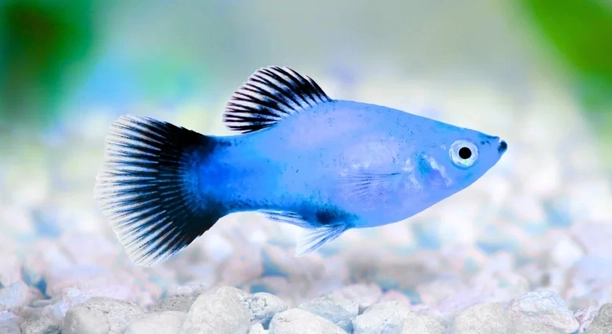
Do you have platies in your aquarium and wonder about their comfort? Many fishkeepers consider how their fish feel in the tank. Platies are popular, colorful fish that enjoy a well-kept environment.
Platies do need places to hide to feel secure and reduce stress. Providing plants, decorations, or shelters mimics their natural habitat, helping them feel safe and encouraging natural behavior. A tank without hiding spots may cause anxiety and affect their health.
Knowing the importance of hiding places can improve your platies’ well-being. Creating a balanced environment supports their natural instincts and keeps your aquarium lively and healthy.
Why Platies Need Hiding Spots
Platies are naturally shy fish that come from environments filled with plants and small crevices. These hiding spots offer them protection from predators and reduce stress from sudden changes or tankmates. When platies have places to retreat, they feel more secure and behave more naturally. Without shelters, they can become anxious, leading to less activity and possible health problems. In a home aquarium, creating a safe space with plants, rocks, or decorations is essential. It also helps shy or new platies adjust better to their surroundings. You may notice platies exploring more and showing brighter colors when they feel safe. Overall, adding hiding spots benefits their mental and physical well-being, making them happier fish.
Hiding places help prevent bullying. Fish that have nowhere to hide can become targets for more aggressive tankmates.
A tank with hiding spots also encourages social interaction. Platies feel more confident swimming and exploring when they know they have a refuge nearby. This creates a lively and balanced aquarium environment.
Best Types of Hiding Places for Platies
Natural plants are among the best hiding spots for platies. They provide cover, oxygen, and a place to rest. Live plants like Java moss, Anubias, and hornwort work well because they grow slowly and don’t require too much light. Plastic plants can be used but should have soft edges to avoid injuring the fish. Besides plants, small caves or tunnels made from aquarium-safe materials give platies a cozy retreat. Driftwood or smooth rocks also create good hiding places. It’s important to arrange these spots so platies can easily swim in and out without feeling trapped. A mix of tall plants and solid decorations creates variety and lets platies choose their favorite spots. Regularly checking and cleaning these hiding places keeps the tank safe and comfortable for your fish.
How to Arrange Hiding Places in Your Tank
Platies need a mix of open swimming areas and hiding spots. Arrange plants and decorations so fish can move freely but also retreat when they want.
Place taller plants toward the back or sides to create vertical cover without blocking light. Use caves or tunnels near the bottom where platies often rest. Make sure hiding spots are spread out so shy fish don’t all crowd one area. This setup keeps the tank balanced and prevents stress from overcrowding.
Avoid overcrowding the tank with too many decorations, as platies still need space to swim. A good rule is to fill about 30-40% of the tank with plants and hiding places. This ratio supports their need for safety while maintaining enough open space for natural movement and social interaction.
Signs Your Platies Feel Safe
When platies feel secure, they swim confidently around the tank without hiding all the time. They may also show brighter colors and interact more with other fish. Calm behavior and regular feeding are good signs of comfort.
If you notice platies hiding constantly or staying still in one spot, they may feel unsafe. Aggressive tankmates or lack of shelter can cause this. Adding more hiding places and keeping the environment stable can improve their sense of security. Watching how your platies behave daily helps you know when adjustments are needed to keep them happy and healthy.
Common Mistakes with Hiding Spots
Too few hiding places can leave platies stressed and vulnerable.
On the other hand, overcrowding the tank with decorations limits swimming space and causes frustration.
Cleaning and Maintaining Hiding Spots
Hiding places can collect algae, debris, and waste over time. Regular cleaning is necessary to keep the tank healthy. Remove decorations and plants gently during water changes and rinse them with tank water to avoid killing beneficial bacteria. Avoid using soap or harsh chemicals. Maintaining clean hiding spots prevents harmful bacteria growth and keeps your platies safe from infections.
Choosing Safe Materials
Avoid sharp or rough decorations that can injure your platies.
How Lighting Affects Hiding Behavior
Proper lighting helps platies feel secure by mimicking their natural habitat. Bright lights can stress shy fish, so a balance of light and shaded areas is ideal.
FAQ
Do platies really need hiding places in every tank?
Yes, hiding places are important for platies in every tank. They help reduce stress by offering shelter from bright lights, active tankmates, or sudden movements around the aquarium. Even in peaceful community tanks, having places to hide supports natural behavior and comfort. It makes platies feel more secure and healthy.
Can platies survive without any hiding spots?
Platies can survive without hiding spots, but they may experience more stress and anxiety. Stress weakens their immune system, making them prone to illness. Over time, lack of shelter can reduce their activity and natural behaviors, negatively affecting their well-being.
What kinds of plants are best for platies to hide in?
Soft-leaved plants like Java moss, Anubias, and hornwort are excellent choices. These plants provide gentle cover and don’t require much maintenance. They create a natural environment that platies enjoy without sharp edges that could harm them.
Are plastic plants safe for platies to hide in?
Plastic plants can be safe if they have smooth edges and are made from aquarium-safe materials. Avoid rough or sharp plastic leaves that might injure your fish. However, live plants are usually better for the tank’s overall health and oxygen levels.
How many hiding spots does a tank need for platies?
A good rule is to fill about 30-40% of the tank with hiding places and plants. This balance ensures that platies have enough shelter without overcrowding the swimming area. Spread hiding spots throughout the tank so platies can choose their favorite spots comfortably.
Will platies fight over hiding spots?
Platies are generally peaceful, but if hiding spots are too few, shy or weaker fish might get bullied or stressed. Providing multiple hiding places reduces competition and helps all fish feel safe. A well-planned layout prevents conflict.
How often should I clean hiding spots?
Clean hiding spots during regular tank maintenance, about every two to four weeks. Rinse plants and decorations gently with tank water to avoid removing helpful bacteria. Avoid soap or chemicals, which can harm your fish and disrupt the tank’s balance.
Do platies prefer hiding spots near the bottom or the middle of the tank?
Platies often prefer hiding spots near the bottom where they can rest and feel protected. However, some may use mid-level plants or decorations for shelter. Offering hiding places at different heights lets platies pick what feels safest to them.
Can lighting affect how often platies hide?
Yes, bright lighting can make platies seek shelter more often. They feel safer with areas of shade where light is softer. Using floating plants or dimming the light helps create a comfortable environment and reduces stress.
Is it necessary to rearrange hiding places regularly?
Rearranging hiding places occasionally can keep platies curious and reduce boredom. However, don’t change their environment too often or suddenly, as this can stress them. Small adjustments spaced out over time work best to keep the tank interesting and secure.
Platies are small, colorful fish that bring life to many home aquariums. Their well-being depends on a comfortable environment that meets their natural needs. One important factor in this environment is having places to hide. These hiding spots provide platies with a sense of security, helping them feel safe and less stressed. Without proper shelter, platies can become anxious, which affects their behavior and overall health. Adding plants, caves, or decorations that serve as hiding places makes a big difference in how your fish live and thrive.
When setting up hiding places, it’s important to balance between enough cover and open swimming space. Overcrowding the tank with too many decorations can limit movement and cause frustration for platies. On the other hand, too few hiding spots can make them feel exposed and vulnerable. A good rule is to fill about 30 to 40 percent of the tank with plants and decorations. This provides shelter while leaving enough room for swimming and exploring. Using soft, natural plants and smooth decorations helps avoid injury and keeps the environment safe. Regular cleaning of these hiding places ensures they don’t become dirty or harmful for the fish.
Observing your platies regularly helps you understand how well their tank setup is working. When platies swim confidently, show bright colors, and interact with others, it usually means they feel secure. If they hide too much or seem stressed, adding more shelters or adjusting the environment may be needed. Small changes, like adding more plants or rearranging decorations, can improve their comfort. Overall, creating a tank that mimics their natural habitat with plenty of hiding spots helps platies stay healthy, happy, and active. This simple step can make a big difference in your aquarium’s success and your enjoyment as a fishkeeper.

Hello,
If you enjoy the content that we create, please consider saying a "Thank You!" by leaving a tip.
Every little bit helps us continue crafting quality advice that supports the health, happiness, and well-being of pets around the world, for pets of all shapes, sizes, and species.
We really appreciate the kindness and support that you show us!