
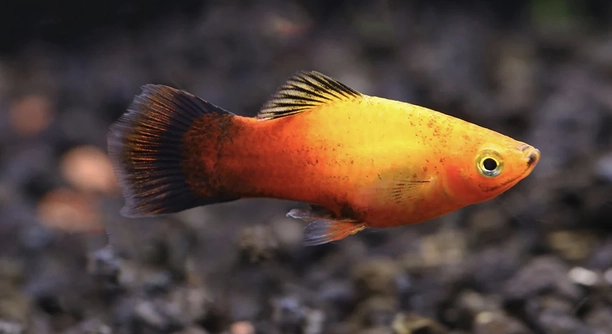
Platies are popular freshwater fish known for their bright colors and peaceful nature. Sometimes, you might notice your platy pacing back and forth in its tank. This behavior can catch your attention and make you wonder what it means for your pet’s well-being.
Pacing in platies is often a response to environmental stressors such as inadequate space, poor water quality, or lack of stimulation. This repetitive swimming can indicate discomfort, boredom, or an attempt to establish territory within the aquarium.
Understanding why your platy acts this way helps ensure a healthier and more comfortable environment for your fish. The following information will provide insights into common causes and practical solutions.
Common Causes of Pacing in Platies
Platies may pace back and forth due to several environmental or health factors. One common cause is limited space. When the tank is too small, the fish has little room to explore, which can lead to repetitive swimming. Poor water quality is another reason. High levels of ammonia, nitrites, or nitrates stress fish and affect their behavior. Lack of hiding spots or decorations may also cause pacing, as platies seek shelter or stimulation. Sometimes pacing is linked to changes in water temperature or sudden loud noises around the tank. It is important to observe your platy’s environment closely and test water parameters regularly. Improving these conditions usually helps reduce pacing and keeps your fish calmer and healthier.
Maintaining a clean and spacious environment is essential for a platy’s comfort and overall well-being.
Platies are naturally active fish that enjoy exploring their surroundings. Providing enough swimming space and varied decorations helps keep them mentally stimulated. Plants, rocks, and caves offer places to hide and rest, reducing stress. Regular water changes and stable temperature prevent environmental stress that can trigger pacing. It is also important to feed them a balanced diet to support health and vitality. When these conditions are met, pacing behavior often decreases or stops. If pacing persists, it may indicate illness or injury, requiring closer attention or professional advice.
How to Improve Your Platy’s Environment
Simple changes can make a big difference in reducing pacing. Adding plants and hiding spots gives your platy areas to explore and feel safe. Increasing tank size or reducing the number of fish may provide more room to swim comfortably.
Adjusting the tank setup with enrichment and proper care will improve your platy’s behavior and quality of life.
Signs of Stress in Platies
Stress in platies often shows through changes in behavior such as pacing, hiding, or loss of appetite. Other signs include faded colors and rapid gill movement. Recognizing these symptoms early helps prevent serious health problems.
Stress weakens a platy’s immune system, making it more vulnerable to diseases. Environmental factors like poor water quality, overcrowding, or sudden changes in temperature can cause stress. Even frequent loud noises or constant disturbances near the tank can affect your fish’s well-being. Watching for signs of stress allows you to take action quickly to improve your platy’s environment and health.
To reduce stress, maintain consistent water conditions and provide hiding places. Avoid overcrowding and minimize sudden changes in the tank. Offering a balanced diet and regular care supports your platy’s overall health, helping it stay active and calm.
When Pacing Might Signal Illness
Pacing can sometimes be a symptom of underlying illness rather than just environmental stress. Illnesses such as swim bladder disorder or parasites affect movement and behavior. Close observation is needed to tell the difference.
If pacing is accompanied by other symptoms like lethargy, clamped fins, or unusual spots on the body, a health issue may be present. Swim bladder problems make it difficult for fish to control buoyancy, causing them to swim abnormally. Parasites and infections can also cause discomfort, leading to restless movements. Seeking advice from an experienced aquarist or veterinarian ensures proper diagnosis and treatment.
Early intervention is important to prevent worsening conditions. Quarantine sick fish to avoid spreading diseases and follow recommended treatments carefully. Consistent monitoring supports your platy’s recovery and long-term well-being.
Tank Size and Its Impact
A small tank limits your platy’s space to swim, which often leads to pacing behavior. Providing adequate room allows your fish to move naturally and reduces stress caused by confinement.
A tank of at least 10 gallons is recommended for a single platy. Bigger tanks support healthier, more active fish by offering enough space for swimming and exploration.
Feeding and Its Effects on Behavior
Improper feeding routines can cause restlessness and pacing. Overfeeding leads to poor water quality, while underfeeding leaves your platy hungry and unsettled.
The Role of Tank Mates
Some tank mates may stress platies if they are aggressive or territorial. Compatibility is key to a peaceful aquarium.
Monitoring Water Quality
Regularly test your water for ammonia, nitrites, nitrates, and pH. Maintaining stable conditions prevents stress-related pacing and supports your platy’s health.
FAQ
Why does my platy keep pacing back and forth?
Pacing is usually caused by stress or discomfort. This can happen if the tank is too small, water quality is poor, or there is a lack of hiding spots and stimulation. Sometimes, pacing signals illness or injury. Watching your platy’s environment and health closely can help identify the cause.
Can pacing harm my platy?
Pacing itself is not harmful, but it is a sign your fish might be stressed or unhappy. Prolonged stress can weaken its immune system, making it more prone to illness. Improving tank conditions usually reduces pacing and supports your fish’s well-being.
How big should my platy’s tank be?
A minimum of 10 gallons is recommended for a single platy. Larger tanks are better, especially if you keep multiple fish. More space allows natural behavior, reduces stress, and improves water quality.
What water conditions are best for platies?
Platies thrive in clean, well-filtered water with a temperature between 70°F and 78°F (21°C–26°C). The pH should be between 6.8 and 8.0. Regular water testing and changes keep these levels stable, preventing stress and illness.
How often should I clean the tank?
Partial water changes of about 25% should be done weekly or biweekly. Cleaning the substrate and removing debris helps maintain good water quality. Avoid full water changes as they can shock the fish.
Can tank mates cause my platy to pace?
Yes, aggressive or overly active tank mates can stress platies. Choosing peaceful species that get along well with platies helps create a calm environment, reducing pacing and other stress behaviors.
What should I feed my platy?
A balanced diet with high-quality flake food, supplemented by occasional live or frozen foods like brine shrimp or bloodworms, keeps platies healthy. Avoid overfeeding, as leftover food can harm water quality and stress the fish.
How can I tell if pacing is due to illness?
If pacing is paired with signs like clamped fins, spots, swelling, or loss of appetite, illness is likely. In such cases, observe carefully and consider consulting a vet or experienced aquarist for treatment advice.
Are plants helpful for pacing behavior?
Yes, live or artificial plants provide hiding spots and stimulation. This can reduce boredom and stress, helping to minimize pacing. Plants also improve water quality by producing oxygen and absorbing nitrates.
When should I seek professional help for my platy?
If your platy shows persistent pacing combined with other worrying symptoms or does not improve after environmental changes, professional advice is recommended. Early treatment improves the chance of recovery.
Platies pacing back and forth is a behavior that signals something in their environment or health needs attention. This pacing often points to stress caused by factors like limited swimming space, poor water quality, or lack of hiding places. Sometimes, it may also indicate an illness that needs to be addressed. Paying close attention to your platy’s behavior and tank conditions is key to understanding why pacing occurs. Making changes to improve the fish’s environment usually helps reduce this behavior and supports overall health.
Providing your platy with a spacious tank, stable water conditions, and plenty of places to explore and hide creates a more comfortable home. Regular maintenance, including water testing and partial changes, keeps the environment safe and reduces stress. Proper feeding and choosing compatible tank mates also play important roles in preventing pacing. These simple steps can make a significant difference in your platy’s comfort and behavior. When your fish feels safe and healthy, pacing often decreases or stops.
If pacing continues despite improving the tank setup, it may be a sign of illness or injury. In such cases, closely observe your platy for other symptoms like faded colors, clamped fins, or loss of appetite. Consulting an expert can help you find the right treatment and care. Overall, pacing is a signal from your platy that it needs better care or attention. By addressing these needs, you support your fish’s well-being and enjoy a healthier, happier pet.

Hello,
If you enjoy the content that we create, please consider saying a "Thank You!" by leaving a tip.
Every little bit helps us continue crafting quality advice that supports the health, happiness, and well-being of pets around the world, for pets of all shapes, sizes, and species.
We really appreciate the kindness and support that you show us!