
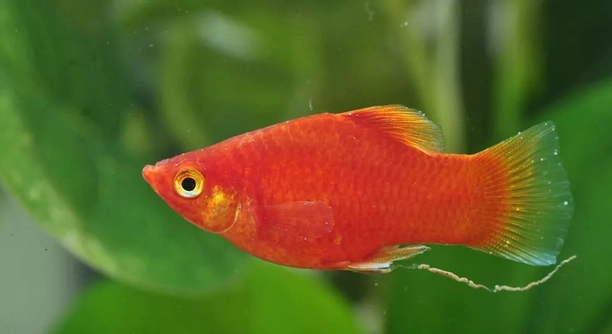
Is your platy suddenly refusing to eat despite being healthy before? This sudden change can be frustrating and worrying for any fish owner who wants their pet to thrive. Understanding the reasons behind this behavior is important for timely care.
Platies may avoid food due to stress, illness, water quality issues, or changes in their environment. These factors can affect their appetite temporarily or signal more serious health problems requiring attention and adjustment to tank conditions.
Recognizing the causes of your platy’s sudden loss of appetite can help restore its well-being and keep your aquarium balanced and healthy.
Common Causes for Platies Avoiding Food
Stress is a major reason platies stop eating suddenly. Changes in water temperature, poor water quality, or aggressive tank mates can make them uneasy. Illness can also reduce their appetite, including infections or parasites. Sometimes, the food itself may be the problem if it’s old or unsuitable. Overfeeding can cause digestive issues, making your platy uninterested in eating. It’s important to observe your fish carefully and check the tank environment. Regular water testing and maintaining stable conditions help prevent stress. Ensuring your platy has a peaceful environment encourages healthy eating habits.
Water quality issues are particularly important. Poor water parameters can lead to sickness and loss of appetite. Keeping the tank clean and balanced supports your fish’s health.
By identifying these factors and taking action, you can help your platy return to normal eating patterns and feel comfortable in its habitat.
How to Improve Appetite in Platies
Start with testing water quality thoroughly.
Improving appetite requires addressing stressors and health concerns directly. Begin by testing water parameters, such as pH, ammonia, nitrites, and nitrates, to ensure the environment is safe. Clean the tank regularly, and perform partial water changes to keep water fresh. Avoid sudden temperature shifts by keeping it consistent within the recommended range for platies, usually 72-78°F (22-26°C). Remove any aggressive fish that may be intimidating your platy. Offer a varied diet of high-quality flakes, pellets, and occasional live or frozen foods to encourage eating. Observe your platy closely for signs of illness and consult a vet or aquatic specialist if needed. These steps help restore appetite and promote overall health in your fish.
Identifying Illness in Your Platy
Watch for changes in behavior beyond loss of appetite.
Illness can cause your platy to avoid food. Look for signs like lethargy, faded colors, clamped fins, or unusual swimming patterns. Parasites, bacterial infections, and fungal diseases are common issues. If you notice any of these symptoms, it’s important to act quickly to prevent worsening health.
Treatment depends on the diagnosis. Quarantining the affected fish can stop the spread of disease. Medications are available for various infections but must be used carefully. Consulting a professional for accurate diagnosis and treatment is often the best approach to help your platy recover fully.
Adjusting Tank Conditions to Encourage Eating
Maintaining ideal tank conditions improves your platy’s appetite significantly.
Keep the water temperature stable and within the ideal range, and avoid overcrowding the tank, which can increase stress. Ensure the tank is well-filtered and cleaned regularly to remove harmful toxins. Providing plenty of hiding spots reduces stress and helps fish feel secure enough to eat. Sometimes, rearranging decorations or plants can make the environment feel new and less stressful. Feeding smaller portions several times a day encourages regular eating habits. By creating a calm and stable environment, your platy is more likely to regain interest in food quickly.
Feeding Tips for a Picky Platy
Offer a variety of foods to keep your platy interested.
Try different types such as flakes, pellets, frozen or live foods. Small, frequent feedings work better than one large meal.
Importance of a Balanced Diet
A balanced diet supports your platy’s health and appetite. Providing proteins, vegetables, and vitamins ensures your fish gets all necessary nutrients. Fresh, high-quality foods are best. Avoid overfeeding to prevent digestive problems, which can cause loss of appetite. Feeding a diverse diet keeps your platy active and healthy.
When to Consult a Professional
If appetite loss continues despite care, seek expert advice.
FAQ
Why is my platy suddenly not eating?
Platies can stop eating due to stress, illness, poor water quality, or changes in their environment. Sometimes, sudden changes in temperature or aggressive tank mates cause them to lose appetite. It’s important to check water parameters and observe your fish for any signs of disease or discomfort.
How do I know if my platy is sick?
Signs of illness include lethargy, faded or dull colors, clamped fins, abnormal swimming, or spots and marks on the body. Loss of appetite paired with these symptoms often indicates infection or parasites. Quarantine and treatment may be necessary to prevent the spread.
Can water quality affect my platy’s appetite?
Yes, poor water quality is a common cause of appetite loss. High ammonia or nitrite levels, incorrect pH, and dirty tanks stress fish and affect their health. Regular testing and partial water changes keep conditions safe and promote normal feeding.
What type of food should I feed a platy to improve its appetite?
Offering a varied diet helps stimulate interest in food. Use high-quality flakes or pellets as staples, supplemented with frozen or live foods like brine shrimp or bloodworms. Fresh vegetables like blanched spinach can add nutrients and variety.
How often should I feed my platy?
Feed small portions two to three times daily rather than one large meal. Overfeeding can lead to digestive problems and water quality issues, causing appetite loss. Remove uneaten food after a few minutes to maintain clean water.
Can stress cause my platy to stop eating?
Absolutely. Stress from overcrowding, aggressive tank mates, sudden water changes, or lack of hiding spaces can make platies avoid food. Creating a peaceful, stable environment is essential for their well-being and appetite.
What should I do if my platy refuses food for several days?
First, test the water and check for signs of illness or injury. If everything seems fine, try changing the diet or feeding smaller amounts more often. If the fish continues to refuse food, consider consulting an aquatic veterinarian.
Is quarantine necessary for sick platies?
Quarantining a sick fish is a good practice to prevent disease spread and allow focused treatment. It also reduces stress on healthy tank mates. Use a separate tank with clean water and appropriate medication if needed.
Can temperature changes affect my platy’s eating habits?
Yes, platies prefer stable temperatures between 72-78°F (22-26°C). Sudden drops or spikes can stress them, causing appetite loss. Using a reliable heater and thermometer helps maintain consistent temperatures.
How long can a platy survive without eating?
Adult platies can survive a week or two without food but should not go longer. Prolonged fasting weakens their immune system and can lead to serious health problems. It’s important to address appetite issues quickly.
Are there any home remedies to stimulate a platy’s appetite?
Increasing feeding frequency with smaller portions and offering live or frozen foods often helps. Ensuring good water quality and stable tank conditions also supports appetite. Avoid adding unnecessary chemicals unless advised by a professional.
What common diseases cause platies to stop eating?
Bacterial infections, parasites like ich, and fungal diseases often reduce appetite. These conditions usually come with visible symptoms such as spots, swelling, or fin damage. Early diagnosis and treatment are key to recovery.
Can tank mates affect my platy’s willingness to eat?
Yes, aggressive or overly active fish may scare platies away from food. Separating incompatible species or providing ample hiding spots helps reduce stress and encourages feeding.
Is overfeeding harmful to platies?
Overfeeding leads to uneaten food buildup, poor water quality, and digestive issues like bloating. These problems can cause loss of appetite and illness. Feeding appropriate amounts and removing leftovers prevents these issues.
What role does lighting play in a platy’s feeding behavior?
Proper lighting helps regulate natural feeding patterns. Too much or too little light can stress fish and reduce appetite. Aim for 8-10 hours of moderate light daily to mimic natural conditions.
How can I encourage a picky eater platy to eat more?
Try offering new foods in small amounts, including live or frozen options. Feeding in different spots or at varying times may also help. Keep the environment calm and ensure water quality is optimal to support feeding.
Should I change my platy’s diet if it stops eating?
Yes, introducing different foods can stimulate appetite. Sometimes, fish get bored with the same diet. Adding variety can encourage eating and provide balanced nutrition.
When is it necessary to see a vet for my platy?
If your platy refuses food for more than a week, shows signs of illness, or if home care doesn’t improve the situation, professional help is advised. Early intervention increases chances of recovery.
How often should I clean my platy’s tank to prevent appetite loss?
Perform partial water changes of about 25% weekly and clean substrate and decorations regularly. Keeping the tank clean prevents toxins that stress fish and affect appetite.
Can poor water circulation cause a platy to stop eating?
Yes, stagnant water reduces oxygen levels and increases waste buildup, leading to stress and loss of appetite. Proper filtration and water flow are essential for a healthy tank environment.
Is it normal for platies to skip meals occasionally?
Occasional fasting is normal and rarely harmful. However, if your platy consistently avoids food, it indicates a problem that needs addressing.
Can changes in tank decoration or setup affect my platy’s eating?
Sudden rearrangements may stress fish, causing temporary appetite loss. Introducing changes gradually helps platies adjust without affecting feeding behavior.
Platies are generally hardy fish, but sudden changes in their eating habits can be concerning. When a platy stops eating, it is often a sign that something in its environment or health is not quite right. Factors such as stress, illness, or poor water quality can all affect a platy’s appetite. It’s important to regularly monitor your tank’s conditions and your fish’s behavior to catch any issues early. By keeping the environment stable and clean, you provide your platy with the best chance to stay healthy and eat well.
Addressing a platy’s loss of appetite requires careful observation and sometimes patience. Changes in water temperature, presence of aggressive tank mates, or a new diet can all cause temporary feeding issues. If the problem persists, illness could be the cause, and prompt treatment is necessary. Offering a varied diet with high-quality foods helps maintain interest in eating. Regular feeding in small amounts prevents overfeeding and digestive problems. Maintaining good water quality through routine testing and water changes also plays a key role in encouraging your platy to eat.
In some cases, professional advice may be needed if your platy refuses food for an extended period. Consulting an aquatic veterinarian or fish expert can help identify underlying health problems and suggest effective treatments. Remember, early action improves the chances of recovery and keeps your platy comfortable. By understanding the possible reasons behind appetite loss and taking practical steps, you can help your platy return to its normal, healthy eating habits and enjoy a better quality of life in your aquarium.

Hello,
If you enjoy the content that we create, please consider saying a "Thank You!" by leaving a tip.
Every little bit helps us continue crafting quality advice that supports the health, happiness, and well-being of pets around the world, for pets of all shapes, sizes, and species.
We really appreciate the kindness and support that you show us!