
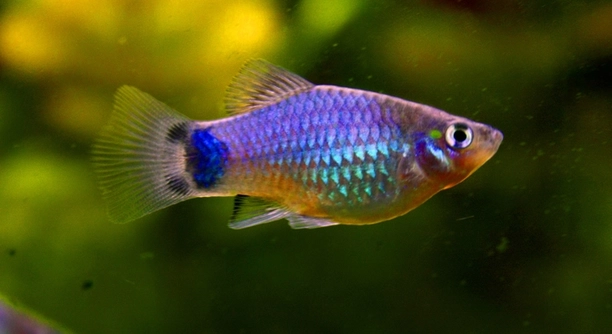
Do your platies seem like they’re constantly in motion, always chasing one another from one end of the tank to the other?
Chasing behavior in platies is most commonly linked to mating rituals, social hierarchy, or territorial displays. Males often chase females to breed, while both sexes may chase to establish dominance or due to overcrowding or stress.
Learning why this happens can help you create a calmer environment and better understand your platies’ natural behaviors.
Why Platies Chase Each Other So Often
Platies are social fish that live in groups and often show active behavior, including chasing. The most common reason they chase each other is mating. Males especially chase females when they’re trying to breed. This can happen frequently if there are more males than females in the tank. Another reason is social dominance. Like many animals, platies establish a pecking order, and chasing is one way to do that. If your tank is too small or overcrowded, stress can also increase chasing. It’s their way of reacting to discomfort or lack of space. Chasing can also result from changes in the environment, such as new tankmates or changes in water conditions.
If your platies are healthy and the chasing isn’t causing injury or stress, it’s usually nothing to worry about.
Observe how often it happens, who’s involved, and if it’s causing torn fins or hiding. These signs help you decide what needs adjusting.
When Chasing Becomes a Problem
Constant chasing that leads to fin damage or hiding is a sign of stress or aggression.
Too much chasing can wear down weaker fish and cause health issues. If males are always pursuing females, the females may become stressed or exhausted. A good rule is to keep two or three females for each male to spread the attention. If dominance is the issue, make sure there’s enough space and hiding spots for fish to feel secure. A crowded tank leads to increased tension. Adding plants, decorations, or even rearranging the tank layout can help reduce aggressive behavior. Also, check water parameters regularly. Poor water quality can increase stress and lead to more chasing. If nothing helps, consider separating aggressive individuals. Some platies may simply not get along. Watching their behavior closely and making small adjustments can make a big difference in keeping your tank calm and healthy.
How Tank Conditions Affect Chasing
Small tanks and poor layouts often increase chasing among platies. Without enough room or hiding spots, fish may become territorial or stressed, leading to constant pursuit and aggression.
A minimum tank size of 20 gallons is ideal for a group of platies, especially if you have both males and females. It gives them space to swim and avoid each other when needed. Plants, caves, and decorations help break up lines of sight and offer hiding areas, which reduces stress. Good filtration, steady temperature, and clean water also support balanced behavior. Regular maintenance and monitoring water parameters keep the tank stable. When platies feel secure, they’re less likely to show unwanted chasing. Even subtle changes in layout or light can influence their behavior. Rearranging decorations or adjusting lighting can calm a tense group and prevent ongoing stress responses.
Keeping a balanced ratio of males to females helps prevent mating-related stress. More females mean less pressure on each one.
How to Tell If It’s Playful or Aggressive
Playful chasing looks fast but harmless. Fins stay smooth, and no one hides or looks worn out. The fish may take turns chasing without clear tension.
Aggressive chasing usually involves one fish dominating, with another constantly fleeing or hiding. You might see torn fins, pale color, or signs of stress like clamped fins or lack of appetite. Sometimes, a platy might isolate itself or stay near the surface to avoid contact. These are signs the behavior has gone too far. Aggression often happens when tank conditions aren’t right or the social balance is off. Watching your fish daily helps you spot these signs early. If the same fish is always the target, it may need a break or separation. Fixing the root cause—whether it’s the tank size, fish ratio, or hiding spaces—can prevent it from getting worse. Chasing doesn’t always mean something’s wrong, but it’s worth watching closely.
Best Male-to-Female Ratio for Platies
Keeping one male for every two or three females helps reduce chasing. This spacing prevents one female from getting too much attention, especially during breeding times, and creates a calmer tank dynamic overall.
Too many males can cause nonstop chasing and stress for the females. A balanced group keeps things peaceful.
Signs Your Tank Needs Adjustments
If your platies are hiding more, showing faded color, or have damaged fins, your tank might need changes. These signs often mean stress caused by overcrowding, poor water quality, or imbalance in the group. Add more plants, check your filter, and monitor water temperature and ammonia levels. Sometimes even adding another hiding spot can make a big difference. Try adjusting light exposure or rearranging the layout to refresh the environment. If aggressive chasing continues after making changes, separating fish may be the best option. Watch how they react over time—small changes usually show results within a few days. A healthy tank leads to calmer behavior.
When to Separate Platies
If one fish is constantly targeted, injured, or no longer eating, it’s time to move them to another tank. Temporary separation can help both fish recover.
FAQ
Why do my platies chase each other nonstop?
Platies chase mainly due to mating behavior, social dominance, or stress from overcrowding. Males tend to pursue females during breeding, and both sexes may chase to establish hierarchy. Limited space or poor tank conditions increase chasing as well.
Is chasing normal for platies?
Yes, some chasing is natural. It helps platies communicate and establish social order. However, constant chasing causing injury or stress is a sign of problems that need attention.
How many platies should I keep together?
A group of at least five is ideal, with more females than males. A common ratio is one male to two or three females to reduce stress and mating pressure on females.
Can chasing cause harm?
If chasing is aggressive, it can cause torn fins, stress, or hiding behavior. Over time, this affects fish health and wellbeing.
How can I reduce chasing in my tank?
Make sure your tank is large enough—at least 20 gallons for a small group. Add plenty of plants and hiding spots to break line of sight. Keep the male-to-female ratio balanced. Regular water changes and proper filtration also help.
Should I separate aggressive platies?
If one fish is constantly targeted or injured, separating them temporarily is a good solution. This allows both fish to recover and reduces tank stress.
Does chasing increase during breeding season?
Yes, males chase females more often when they are ready to mate. Providing more females helps spread the attention and reduces stress on individuals.
What tank conditions encourage calm behavior?
Stable water temperature, good filtration, adequate space, and plenty of hiding places make platies feel secure. Stress from poor water quality or overcrowding increases chasing.
Can rearranging the tank reduce chasing?
Yes, changing decorations and plants can disrupt established territories and reduce aggression. It also refreshes the environment and can calm tense fish.
Are some platies more aggressive than others?
Individual personalities vary. Some platies may naturally be more dominant or aggressive. Watching behavior closely helps identify if a fish needs separating or if tank adjustments are needed.
How do I know if chasing is playful or aggressive?
Playful chasing is quick and doesn’t cause injury. Fins stay intact, and fish take turns. Aggressive chasing involves one fish chasing repeatedly, causing injury or hiding behavior.
Can poor diet affect platy behavior?
A balanced diet supports overall health and can reduce stress-related behavior. Poor nutrition may weaken fish, making them more vulnerable to aggression or stress.
Is chasing worse in smaller tanks?
Yes, smaller tanks limit space for escape and increase territorial disputes. Larger tanks give platies room to swim freely and avoid constant chasing.
How long does chasing last?
Chasing during mating can last several days but usually slows down afterward. If it continues nonstop, it often points to stress or social imbalance.
Do platies chase other fish too?
Platies generally chase their own kind. They may occasionally nip at other species if crowded or stressed, but it’s less common.
What should I do if chasing causes injury?
Isolate injured fish to allow healing. Improve tank conditions by adding hiding spots and adjusting fish ratios. Treat any wounds with aquarium-safe medications if necessary.
Can adding more plants reduce chasing?
Yes, plants provide cover and break lines of sight, helping reduce tension and giving fish places to hide and rest.
Are male platies more aggressive than females?
Males are usually more active and chase more during breeding. Females may chase too but generally less aggressively.
Does lighting affect chasing?
Bright or harsh lighting can stress fish and increase chasing. Soft, consistent lighting is better for calm behavior.
How often should I check water quality?
Test water weekly for ammonia, nitrites, nitrates, and pH. Good water quality is essential for reducing stress and aggressive behaviors like chasing.
What role does tank decoration play in chasing?
Decorations create territories and visual barriers. Without them, fish may feel exposed and compete aggressively for space.
Can sudden changes cause increased chasing?
Yes, adding new fish, rearranging the tank, or changing water parameters quickly can stress platies and trigger chasing episodes.
Is chasing a sign of unhealthy fish?
Not always. Some chasing is normal. However, excessive chasing with signs of injury or stress can indicate health or environment problems.
Can platies get along with other peaceful fish?
Yes, platies usually coexist well with other non-aggressive species if the tank isn’t overcrowded and conditions are good.
How do I introduce new platies without causing chasing?
Add new fish slowly and provide plenty of hiding spaces. Rearrange the tank so no fish have established territories, helping reduce aggression.
What is the best diet to keep platies healthy and calm?
A varied diet of high-quality flakes, frozen or live foods, and vegetable matter supports health and reduces stress-related behavior.
How much space does each platy need?
At least 2 to 3 gallons per fish is recommended. More space helps reduce stress and chasing.
Can water temperature changes cause chasing?
Sudden temperature swings can stress fish and increase chasing. Keep temperature stable between 70°F and 78°F for platies.
How long should platies be kept separated if aggressive?
Separate until injuries heal and behavior calms, usually a few days to a week. Monitor closely before reintroducing.
Platies are naturally active and social fish, so seeing them chase each other is quite common. This behavior usually relates to mating, establishing social order, or reacting to their environment. While some chasing is normal and harmless, it’s important to watch for signs that it might be causing stress or harm. Understanding why your platies chase each other helps you create a better tank environment for them. By paying attention to their behavior and tank conditions, you can keep your fish healthy and happy.
Proper tank setup plays a big role in how your platies behave. A spacious tank with plenty of hiding places reduces stress and keeps chasing to a minimum. Having the right number of males and females also makes a difference. Too many males chasing too few females can cause problems. Regular tank maintenance and stable water quality support calm behavior. Sometimes small changes like rearranging decorations or adjusting lighting help ease tension. If chasing leads to injuries, separating aggressive or stressed fish may be necessary, at least temporarily.
Overall, chasing among platies is often a natural part of their social life. It becomes a concern only when it causes constant stress or injury. Keeping an eye on their interactions and tank conditions allows you to respond quickly and effectively. With the right care, your platies will live peacefully together, showing their lively behavior without harming each other. This balance makes your aquarium a healthier and more enjoyable space for both the fish and you.

Hello,
If you enjoy the content that we create, please consider saying a "Thank You!" by leaving a tip.
Every little bit helps us continue crafting quality advice that supports the health, happiness, and well-being of pets around the world, for pets of all shapes, sizes, and species.
We really appreciate the kindness and support that you show us!