
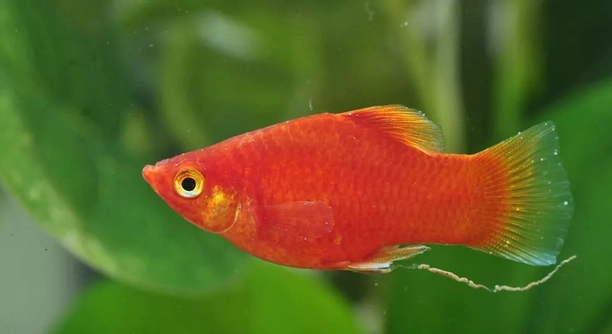
Are your platies spending most of their time near the tank edges instead of swimming in the center? This behavior is common among platy fish and can be influenced by several factors in their environment. Understanding these reasons can help improve your fish’s comfort and well-being.
Platies often avoid the center of the tank due to stress, water quality issues, or lack of hiding places. They feel safer near the edges where they have cover and can avoid open spaces that make them vulnerable to perceived threats. Proper tank setup and stable water conditions encourage more natural swimming patterns.
Learning what makes your platies uncomfortable will help you create a better home for them. Small changes in the tank environment can make a big difference in their behavior and health.
Stress and Its Impact on Platy Behavior
Platies can be easily stressed by changes in their environment. Sudden loud noises, constant movement around the tank, or aggressive tank mates can make them nervous. When stressed, platies tend to stay near the tank edges where they feel safer. Stress also affects their appetite and immune system, making them more prone to illness. Maintaining a calm and stable environment helps platies feel secure and encourages normal swimming habits. It’s important to watch for signs of stress like rapid breathing or hiding, which often lead to avoidance of the tank center. Adding plants or decorations near the edges can provide cover and reduce anxiety. Avoid overcrowding your tank since too many fish increase stress and competition for space. Regular feeding with good-quality food also helps keep platies healthy and less anxious.
Stress reduces the likelihood of platies swimming freely. Creating a peaceful environment can encourage them to explore the whole tank more often.
Platies use hiding spots and edges as a defense mechanism. When they feel secure, they become more active and swim confidently in open spaces. Monitoring their tank conditions and behavior regularly ensures they stay comfortable and healthy.
Water Quality and Tank Setup
Water quality is crucial for platies’ comfort and health. Poor water conditions, like high ammonia or nitrite levels, make platies avoid open areas to protect themselves. Regular water testing and partial water changes keep the environment clean and stable. Proper filtration and aeration are also necessary to maintain oxygen levels. The tank setup itself affects swimming patterns. Without enough plants or decorations, platies may feel exposed and reluctant to swim in the center. Adding live plants, rocks, and hiding places creates a balanced habitat. This setup not only reduces stress but also mimics their natural environment, encouraging normal behavior. Make sure the tank size suits the number of fish to avoid overcrowding. Clean water and thoughtful decoration help platies feel safe and swim actively throughout the tank.
Keeping water clean and the tank well-decorated helps platies feel at ease and encourages exploration. Proper maintenance creates a healthier space for your fish to thrive.
Tank Lighting and Platy Behavior
Bright lighting can make platies uncomfortable, causing them to avoid the tank center. They prefer dimmer areas where they feel less exposed. Adjusting the light intensity or providing shaded spots helps them relax.
Platies naturally seek shelter from strong light since their wild habitats often have shaded areas. Too much light can stress them and push them toward the edges where shadows exist. Using floating plants or decorations can create these shaded spots. Dimming the aquarium light during parts of the day mimics a natural cycle, making platies more likely to swim freely. Proper lighting balance helps reduce stress and encourages natural activity.
Light also affects algae growth, which can influence water quality and the tank’s overall environment. Managing light carefully supports both your platies’ comfort and the tank’s health.
Social Dynamics Within the Tank
Platies are social fish, but aggressive or overly dominant tank mates can push them to stay near the edges. They avoid confrontation by staying in safer spots. Keeping peaceful fish together supports harmony.
If the tank contains aggressive species or overly territorial platies, the less dominant fish will hide more. This behavior prevents injuries but limits their swimming space. Ensuring all fish have enough room reduces competition and stress. Grouping compatible species and avoiding overcrowding promotes balanced social interaction. Monitoring fish behavior daily helps catch any aggression early. Sometimes rearranging tank decorations can disrupt territorial boundaries and encourage more movement. A peaceful community tank allows platies to explore freely and feel secure, improving their overall well-being and natural behavior.
Temperature and Platy Activity
Platies prefer stable temperatures between 70°F and 78°F. Sudden changes or extremes can make them less active and more likely to stay near the tank edges. Consistent temperature helps them feel comfortable and encourages normal swimming behavior.
Using a reliable heater and thermometer ensures the water stays within the right range. Avoid placing the tank near drafts or direct sunlight to prevent fluctuations.
Feeding Habits and Swimming Patterns
Platies tend to swim more actively when they know feeding time is near. They may stay near the center looking for food but retreat if they feel unsafe. Providing small, frequent meals helps maintain their energy and activity levels.
Tank Size and Space
A small or overcrowded tank limits platy movement and can cause them to avoid the center. Providing enough space encourages natural swimming and reduces stress.
Hiding Spots and Comfort
Platies need places to hide and feel secure. Adding plants and decorations near tank edges gives them refuge, helping them explore more freely in open areas.
Why are my platies always hiding at the edges of the tank?
Platies naturally seek safety near tank edges where they feel less exposed to potential threats. The edges offer hiding spots, especially if there are plants or decorations. If your platies stay close to the sides, it usually means they feel insecure or stressed. This can be caused by sudden noises, aggressive tank mates, or poor water quality. Improving their environment by adding cover and keeping water stable often encourages them to swim more openly.
Can poor water quality make platies avoid the center?
Yes. Poor water conditions like high ammonia, nitrites, or nitrates create stress and discomfort. Fish tend to avoid open areas in stressful conditions. Regular testing and water changes are essential to maintain clean water. Proper filtration also helps keep the tank healthy. When water quality improves, platies feel safer and start exploring more of the tank.
Do platies prefer certain lighting conditions?
Platies do better with moderate to low lighting. Bright lights can make them uncomfortable and push them toward shaded edges. Using floating plants or dimmable lights creates softer areas for them to relax. Mimicking natural light cycles also helps reduce stress and encourages normal swimming behavior.
How does tank size affect platy behavior?
A small or overcrowded tank limits movement and can increase stress. Platies need enough space to swim freely. Overcrowding leads to competition for territory and hiding spots, making some fish avoid open areas. Providing adequate tank size and limiting the number of fish helps them feel secure and active.
Are certain tank mates stressful for platies?
Yes. Aggressive or territorial fish can intimidate platies, causing them to hide. Choosing peaceful community fish reduces stress and encourages more natural behavior. If you notice chasing or bullying, consider rearranging decorations or separating aggressive fish to restore harmony.
What role does temperature play in platy activity?
Platies thrive in stable temperatures between 70°F and 78°F. Sudden drops or spikes cause stress and reduce activity. Using a heater and thermometer keeps the water stable. Avoid placing the tank near windows or vents where temperature changes occur frequently.
How often should I feed my platies to keep them active?
Feeding small amounts 1-2 times daily keeps platies energetic and encourages swimming. Overfeeding can pollute the water, so give just what they can eat in a few minutes. A balanced diet also supports their health and activity levels.
Can decorations help platies feel safer?
Absolutely. Plants, rocks, and caves near tank edges provide hiding spots and reduce stress. These safe spaces encourage platies to venture into open areas more confidently. Avoid overcrowding the tank with decorations, but enough cover improves their comfort.
Is it normal for platies to avoid the center sometimes?
Yes, occasional avoidance of the tank center can happen due to temporary stress or disturbances. However, persistent hiding may indicate underlying issues like poor water quality, aggression, or improper tank conditions. Monitoring and addressing these factors helps maintain healthy behavior.
How do I know if my platies are stressed?
Signs include hiding often, rapid breathing, loss of appetite, or dull colors. Stress weakens their immune system and can lead to illness. Keeping the tank clean, stable, and calm helps reduce stress and keeps platies healthy and active.
When platies avoid the center of the tank, it is usually a sign that something in their environment is making them feel unsafe or uncomfortable. This behavior is natural since fish seek out areas where they can hide or feel protected. Stress, water quality, lighting, tank size, and social dynamics all play a role in how comfortable your platies feel. Understanding these factors helps you create a better environment where your fish can swim freely and stay healthy. Paying attention to your platies’ behavior and tank conditions allows you to address problems early and improve their quality of life.
Maintaining good water quality is one of the most important steps to encourage platies to explore the entire tank. Regular water testing and changes, along with proper filtration, keep the water clean and safe. Clean water reduces stress and helps platies stay active. In addition, providing hiding spots with plants and decorations gives them places to retreat when they feel threatened. These safe areas make them more confident and willing to swim in open spaces. A balanced tank setup with enough space and peaceful tank mates also encourages natural behavior.
Temperature and lighting should be carefully controlled as well. Platies prefer stable temperatures between 70°F and 78°F and moderate lighting that mimics their natural habitat. Sudden changes or too much light can cause stress, making them avoid the center of the tank. Feeding small amounts regularly keeps them active and healthy. By paying attention to all these details, you create a welcoming environment where platies feel secure and happy. In time, you will likely see your fish swimming more freely and enjoying their home.

Hello,
If you enjoy the content that we create, please consider saying a "Thank You!" by leaving a tip.
Every little bit helps us continue crafting quality advice that supports the health, happiness, and well-being of pets around the world, for pets of all shapes, sizes, and species.
We really appreciate the kindness and support that you show us!