
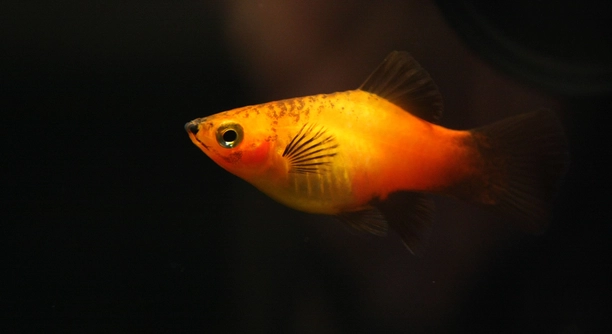
Platies are small, colorful fish that many people enjoy keeping at home. They seem calm and easy to care for, but there are hidden things that can make them nervous. Knowing these fears can help you create a better environment for your fish.
Platies often get scared by sudden changes in lighting, loud noises, aggressive tank mates, poor water quality, lack of hiding spots, frequent disturbances, and improper feeding routines. These factors stress them without owners realizing the impact on their well-being.
Learning about these common fears will help you improve your platies’ comfort and health. Understanding their needs makes a big difference in how happy they feel in your aquarium.
Sudden Changes in Lighting
Platies are sensitive to their environment, and sudden changes in lighting can easily startle them. If you turn the aquarium lights on or off too quickly, it can cause stress. These fish prefer a steady light cycle that mimics natural daylight. Too much light at once can make them feel exposed and vulnerable, while abrupt darkness can confuse their internal clock. It is best to use a timer to keep lighting consistent. Avoid shining a bright flashlight or room light directly on the tank, especially during their resting time. Sudden light changes can lead to hiding behavior or erratic swimming. Over time, this stress can weaken their immune system and cause health problems. Being mindful of lighting helps your platies stay calm and active in the tank, promoting a healthier and more natural environment.
Keeping a steady light schedule helps your platies feel safe and reduces unnecessary stress.
Consistent lighting is important because it supports your platies’ natural rhythms. When they experience regular day and night cycles, their behavior remains stable. Stress from sudden light changes can cause them to hide or act nervously. Using a timer for your aquarium light keeps things predictable. If you need to check the tank at night, use a dim, red light instead of bright white light to avoid disturbing them. Adjusting your lighting habits will make your fish more comfortable and reduce the chances of stress-related illness. It also helps plants and other tank life thrive. Simple changes like this improve the overall health of your aquarium and make caring for your platies easier.
Aggressive Tank Mates
Some fish species can be aggressive and intimidate platies. When housed with such tank mates, platies may feel threatened. This can cause them to hide frequently or swim nervously. Aggressive behavior may include chasing, nipping fins, or bullying. These actions can lead to injuries or constant stress. Platies need peaceful companions to feel safe and thrive. Avoid mixing them with territorial or large, aggressive fish. Suitable tank mates include calm species like tetras or small catfish that do not disturb them. Choosing the right tank mates helps maintain harmony and reduces stress in your aquarium.
Aggressive fish scare platies and affect their well-being.
Fish like cichlids or large barbs often display dominant behavior that platies cannot handle. When platies share space with these species, they may become withdrawn or show signs of stress. This stress weakens their immune response and can cause illness. Aggression in the tank can also disrupt feeding times, making it hard for platies to get enough food. Providing plenty of hiding spots helps, but the best solution is selecting peaceful fish companions. Peaceful tank mates allow platies to swim freely and interact without fear. Keeping your aquarium balanced means careful planning of fish species and their behaviors. This attention ensures your platies live in a calm environment, promoting better health and longer life.
Poor Water Quality
Poor water quality causes constant stress for platies. Dirty or unbalanced water makes it hard for them to breathe and stay healthy.
When ammonia, nitrites, or nitrates build up, it harms your fish’s gills and overall well-being. Sudden changes in pH or temperature can shock them too. Regular water testing and changes keep conditions stable. A clean tank means platies swim actively and show bright colors. Neglecting water quality leads to disease and weakens their immune system. Using a reliable filter and performing weekly water changes helps maintain a safe environment. Proper water care is essential for keeping platies comfortable and thriving.
Filtration alone isn’t enough; monitoring chemical levels and removing waste keeps the water safe. Overfeeding contributes to water pollution, so feed your platies small amounts. Keeping plants and substrate clean also improves water quality. Simple maintenance routines can prevent many health problems related to poor water conditions.
Lack of Hiding Spots
Platies need places to hide and feel secure. Without enough shelter, they become anxious and exposed.
Hiding spots reduce stress by giving platies a break from light and other fish. Plants, caves, and decorations provide safe retreats. When fish feel threatened, they can rest and recover in these spaces. A tank with no hiding places forces platies to swim nervously, increasing their stress levels. This can weaken their immune system and make them more vulnerable to illness. Adding live or artificial plants and small caves helps create a comfortable environment. Observing your fish’s behavior will show if they are using these spots and feeling safe.
Providing multiple hiding areas helps platies adjust to new tank mates or changes in the environment. It also encourages natural behaviors like exploring and resting. Hiding spots are simple but powerful tools to improve your fish’s well-being and reduce fear.
Loud Noises
Loud noises can startle platies and make them nervous. They are sensitive to sudden sounds from outside the tank.
Noises like banging on the tank or loud music nearby cause stress. Keeping the aquarium in a quiet spot helps platies stay calm and relaxed.
Frequent Disturbances
Constant tapping on the glass or moving decorations can upset platies. They need a stable environment to feel safe. Sudden disturbances cause them to hide or swim frantically. Minimizing unnecessary interruptions helps reduce their stress and keeps their behavior normal.
Improper Feeding Routines
Feeding platies too much or too little causes problems. Overfeeding pollutes water; underfeeding stresses fish and weakens them. Feeding small, regular amounts is best for their health.
Stress from Overcrowding
Too many fish in one tank create stress. Platies need space to swim freely and avoid conflict. Proper tank size is important to prevent overcrowding.
FAQ
What are the signs that my platies are scared?
When platies feel scared, they may hide often, swim erratically, or stay near the bottom of the tank. They might lose their bright colors and become less active. Sometimes, scared fish refuse to eat or show rapid gill movements. These behaviors indicate stress or fear in the environment.
How can I reduce stress caused by lighting changes?
Use a timer to keep aquarium lighting consistent. Avoid turning the light on or off suddenly. When checking the tank at night, use a dim, red light to avoid disturbing them. These small steps help maintain your platies’ natural rhythm and reduce stress from lighting.
Which tank mates are safe for platies?
Peaceful fish like small tetras, guppies, or Corydoras catfish are good companions for platies. Avoid aggressive or large fish such as cichlids or barbs, as they may bully or stress your platies. Careful selection of tank mates helps keep the aquarium calm.
How often should I test the water quality?
Test the water at least once a week for ammonia, nitrites, nitrates, and pH levels. Regular testing helps catch problems early before they harm your fish. Keep a log to track changes and adjust maintenance routines as needed.
What is the best way to clean the tank?
Perform partial water changes of about 20-30% weekly. Use a gravel vacuum to remove debris from the substrate. Clean the filter monthly but avoid washing filter media with tap water to preserve beneficial bacteria. Keeping the tank clean supports healthy fish.
How many hiding spots should I provide?
Offer multiple hiding places throughout the tank using plants, rocks, or caves. This allows your platies to choose safe spots and feel secure. More hiding places reduce competition and stress, especially when tank mates are present.
Can loud noises outside the tank affect platies?
Yes, sudden or loud noises can frighten platies. Placing the tank in a quiet area away from speakers, doors, or heavy foot traffic helps keep them calm. Soft background noise, like a gentle water filter sound, is usually fine.
What should I feed my platies and how often?
Feed small amounts of high-quality flakes or pellets once or twice daily. Supplement with occasional treats like bloodworms or brine shrimp. Avoid overfeeding, as leftover food can pollute the water and stress your fish.
Is overcrowding harmful to platies?
Overcrowding causes stress, fights, and poor water quality. A good rule is one gallon of water per inch of fish. Providing enough space helps platies swim freely and maintain better health.
How do I know if my platies are stressed from water problems?
Signs include gasping at the surface, clamped fins, or lethargy. Poor water quality damages gills and lowers oxygen levels. Testing water regularly and maintaining cleanliness prevents these issues and keeps platies comfortable.
Final Thoughts
Platies are delicate fish that rely on a stable, comfortable environment to stay healthy and happy. Many of the things that scare them are easy to overlook, like sudden light changes or loud noises. By paying attention to their needs and habits, you can reduce their stress and help them feel safe. This will make them more active and colorful, which is always nice to see in your aquarium.
Keeping water quality high is one of the most important steps in caring for platies. Regular testing and cleaning prevent harmful chemicals from building up and keep the water safe. A clean tank with proper filtration supports their health and lowers the risk of disease. Along with water care, having enough hiding spots and peaceful tank mates helps platies feel secure. They need spaces to retreat to when they feel nervous or threatened, and friendly companions that won’t bother them.
Feeding your platies well but not too much also plays a big role in their well-being. Overfeeding can pollute the water, while underfeeding causes stress and weakness. Small, regular meals work best to keep them strong. Overall, understanding what can scare platies and how to avoid these stressors helps you create a better home for them. With simple changes, you can improve their quality of life and enjoy watching healthy, happy fish every day.

Hello,
If you enjoy the content that we create, please consider saying a "Thank You!" by leaving a tip.
Every little bit helps us continue crafting quality advice that supports the health, happiness, and well-being of pets around the world, for pets of all shapes, sizes, and species.
We really appreciate the kindness and support that you show us!