
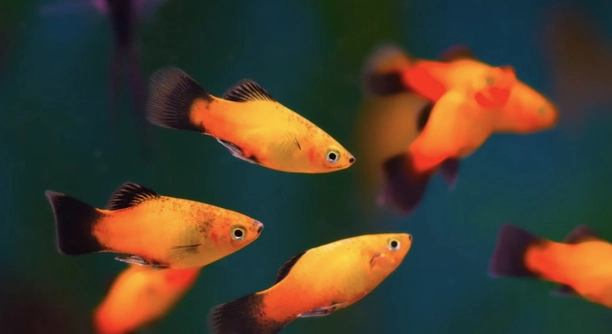
Is your platy spending most of its time lying still at the bottom of the tank, barely moving or showing interest in swimming? This behavior can be concerning, especially if it’s out of the ordinary for your fish.
The most common reason a platy rests at the bottom all day is stress, often caused by poor water quality, illness, or environmental changes. Observing other signs like labored breathing or clamped fins can help determine the exact cause.
Learning the potential causes behind this behavior can help you make the right changes in your tank and keep your platy healthy.
Common Reasons Your Platy Is Resting on the Bottom
Platys are active fish, so it’s easy to notice when something seems off. One of the most common causes of a platy resting on the bottom is poor water quality. High ammonia, nitrite, or nitrate levels can quickly stress fish and lead to health issues. Other times, the issue could be temperature-related. Platys thrive best in stable, warm water between 72°F and 78°F. A sudden temperature drop can make them sluggish. Disease is another factor. Internal parasites, swim bladder problems, or bacterial infections can all cause unusual behavior. Lastly, age and natural resting habits might be involved. Older platys sometimes rest more often, especially after meals or during quiet tank hours.
Stress from sudden environmental changes may also play a role. A new tank mate, recent relocation, or loud noises can affect your platy’s comfort.
Keeping a close eye on behavior and tank conditions can help you spot what’s going wrong. Sometimes, a simple fix like a water change or adjusting the heater can make a big difference. When issues go unnoticed, the problem can get worse. Acting early protects not only your platy but the balance of your whole tank. Don’t overlook the quiet signs—they can tell you more than you think.
What You Can Do to Help
Start by testing your water parameters. Use a reliable test kit to check ammonia, nitrite, nitrate, and pH levels.
If water quality is off, perform a partial water change of about 25–30% and clean out any debris or waste. Make sure the tank is cycled properly and that the filter is working efficiently. Next, adjust the heater if the temperature is outside the ideal range. Keep it steady—sudden shifts are hard on fish. If your platy still shows signs of distress, isolate them in a separate tank for closer observation. Look out for signs of illness like bloating, white spots, or frayed fins. You may need to treat them with aquarium salt or medication depending on the symptoms. Avoid overfeeding during this time and keep the tank calm. Remove aggressive fish if bullying is suspected. With some attention and the right care, many platys bounce back quickly. Patience and consistency are key.
When Resting Is Normal
Sometimes, a platy resting on the bottom isn’t a sign of a problem. It can simply be taking a break, especially after eating or during quiet periods in the tank.
Platys are more active during certain times of the day and may naturally slow down when lights are dimmed or when the room is quiet. If your fish is still eating well, swimming normally at times, and showing no signs of illness, the behavior may be perfectly normal. Older platys may also rest more often than younger ones. It’s important to look at the full picture rather than just one behavior. Occasional resting, especially after meals or during the night, is typical. As long as your fish perks up at feeding time and interacts with others, there’s usually nothing to worry about. Keeping a routine and minimizing sudden changes can help maintain this natural rhythm.
New platys might rest more in their first few days after joining a tank. They could be adjusting to the new environment and unfamiliar surroundings. This isn’t always a cause for concern. Allow them some time to settle, keep the tank calm, and don’t overfeed. Over the next few days, their activity should increase. If it doesn’t, or other symptoms appear, you can reassess then.
How to Monitor Your Platy’s Behavior
Watch how long your platy rests and when it happens. Make a note of changes in swimming patterns, eating habits, or breathing speed.
Set aside a few minutes each day to observe your tank. Healthy platys should be curious, eat regularly, and interact with other fish. Resting at night or shortly after feeding is expected. But if your platy is gasping at the surface, hiding constantly, or twitching, something may be wrong. Look for changes in color, spots on the body, or swelling. Keep track of water temperature and check it at different times. Even small changes can stress fish. If you notice more than one fish acting strangely, test the water right away. Keeping a log of their behavior can help you catch problems early and take action before things get worse.
It’s also helpful to check on your tank setup. A platy might rest more often if there are too few hiding spots, too much current, or if tank mates are too aggressive. Make sure your tank isn’t overcrowded, and try to keep a peaceful environment. Add live plants or decorations for them to explore and rest under. Use a sponge filter if the current seems strong. These small changes can make a big difference in how your platy behaves. A healthy setup keeps stress low and supports better daily activity.
What to Avoid When You Notice This Behavior
Avoid making sudden changes to the tank, like big water swaps or adding new fish right away. Sudden shifts can increase stress and make things worse.
Don’t overfeed your platy during this time. Extra food won’t help and can make the water quality drop, causing more problems.
When to Be Concerned
If your platy stays at the bottom all day and starts skipping meals, has rapid gill movement, or shows signs like clamped fins or color fading, it’s time to take action. These can point to illness or poor conditions. Quarantine the fish if needed and monitor symptoms closely. Use medications only if you’re sure of the illness, and always follow dosing directions. Never treat the whole tank unless it’s necessary. Keep checking water parameters and consider speaking with a vet who understands fish health. Acting early gives your platy the best chance at recovering without further stress.
Final Notes to Keep in Mind
Consistent care, clean water, and a calm tank go a long way in keeping your platy healthy and active.
FAQ
Why is my platy resting on the bottom but still eating?
If your platy is resting more than usual but continues to eat, it might just be tired or less active due to a minor change in environment. Sometimes, platys rest after eating or during cooler parts of the day. However, it’s important to keep watching water quality and temperature to make sure no underlying issues are causing stress.
Can poor water quality cause my platy to stay at the bottom?
Yes. Poor water quality is one of the most common reasons for lethargic behavior in platys. High ammonia, nitrite, or nitrate levels irritate fish and can cause them to hide or rest on the bottom. Regular testing and partial water changes help keep water safe and comfortable for your fish.
Is resting on the bottom a sign of illness in platys?
It can be. If your platy rests at the bottom along with other symptoms like loss of appetite, faded colors, clamped fins, or rapid breathing, it may be sick. Swim bladder issues, parasites, or bacterial infections can cause these signs. A quarantine tank and treatment may be needed depending on the diagnosis.
How can I tell if my platy is just resting or really sick?
Look for changes in eating habits, swimming ability, and appearance. A resting platy will still respond to food and swim normally at times. A sick platy may stay immobile for long periods, refuse food, or show physical symptoms like spots or bloating. Tracking these signs helps decide if care or treatment is needed.
Should I move my platy to a separate tank if it’s resting too much?
If your platy shows signs of illness or stress, moving it to a quarantine tank can help protect it and the other fish. In quarantine, you can monitor and treat your fish more closely. Be sure the quarantine tank has stable water conditions similar to the main tank.
Can temperature changes make my platy rest on the bottom?
Yes. Platys prefer stable, warm water between 72°F and 78°F. Sudden drops or spikes in temperature cause stress and reduce activity. Use a reliable heater and thermometer to keep the temperature steady, avoiding big shifts.
Is my platy resting on the bottom because of tank mates?
Aggressive or overly active tank mates can stress a platy, causing it to hide or rest more. Make sure your tank has peaceful fish that coexist well. Providing plenty of hiding spots and plants can reduce stress from tank mates.
How often should I check my water to keep my platy healthy?
Regular testing is key. Checking water parameters at least once a week helps catch issues before they become serious. More frequent tests may be needed if you see behavior changes or during tank cycling. Keeping ammonia and nitrite at zero and nitrate low is essential.
What food is best to help my platy recover if it’s resting too much?
Feed high-quality flakes or pellets made for tropical fish. Supplement with frozen or live foods like brine shrimp or daphnia to add variety and nutrition. Avoid overfeeding, which can pollute the tank and harm your fish.
Can overfeeding cause my platy to rest on the bottom?
Yes. Overfeeding leads to poor water quality from uneaten food and waste buildup. This can stress your platy and cause it to be less active. Feed small amounts once or twice a day and remove leftover food promptly.
How long can a platy stay resting before it’s a real problem?
If your platy rests on the bottom for more than a day or two without improvement, and especially if other symptoms appear, it’s a sign that something is wrong. Prompt action to check water and health is important.
Are older platys more likely to rest on the bottom?
Older platys sometimes slow down and rest more often. This can be a natural part of aging, but it’s still important to watch for signs of illness or stress. Regular care helps maintain their quality of life as they age.
Can adding plants help my platy feel better?
Live plants provide shelter, reduce stress, and improve water quality by absorbing nitrates. They create a natural environment that can encourage your platy to explore and be more active. Adding plants is a simple way to support your fish’s well-being.
What should I do if I suspect swim bladder disease?
Swim bladder disease affects buoyancy, making it hard for fish to swim properly. Symptoms include floating awkwardly or sinking to the bottom. Fasting the fish for 24-48 hours and feeding peeled, cooked peas can sometimes help. If symptoms persist, consider medication and consult a vet.
Is it normal for a platy to rest during nighttime?
Yes. Platys are diurnal and rest more at night. If your fish is active during the day but rests quietly at night, this is normal behavior and not a cause for concern.
These questions cover many common concerns related to a platy resting on the bottom. Paying close attention and acting promptly ensures your fish stays healthy and happy.
Final Thoughts
Watching your platy rest on the bottom of the tank can be worrying, especially if this behavior is new or lasts for a long time. It’s important to remember that sometimes resting is normal, like when the fish is tired or simply relaxing. However, if the resting comes with other signs like loss of appetite, color changes, or difficulty swimming, it usually points to an underlying issue. Paying attention to these signs early can help prevent bigger problems and keep your fish healthy.
One of the most important things to focus on is the water quality in your tank. Platys are sensitive to changes in their environment, and poor water conditions can stress them out quickly. Testing your water regularly and making sure levels of ammonia, nitrite, and nitrate are safe will go a long way. Keeping the tank clean, making partial water changes when needed, and maintaining a stable temperature will create a healthy home for your platy. Stress from sudden changes or aggressive tank mates can also affect how your fish behaves, so creating a calm and stable environment is key.
Finally, being patient and consistent in your care will help your platy recover and stay active. Sometimes small adjustments, like improving water quality or removing aggressive fish, can make a big difference. If your platy shows signs of illness, acting early with treatment or quarantine will give it the best chance to get better. Remember that every fish is different, and getting to know your platy’s normal behavior helps you notice when something is wrong. With proper care and attention, your platy can enjoy a long, healthy life in your aquarium.

Hello,
If you enjoy the content that we create, please consider saying a "Thank You!" by leaving a tip.
Every little bit helps us continue crafting quality advice that supports the health, happiness, and well-being of pets around the world, for pets of all shapes, sizes, and species.
We really appreciate the kindness and support that you show us!