
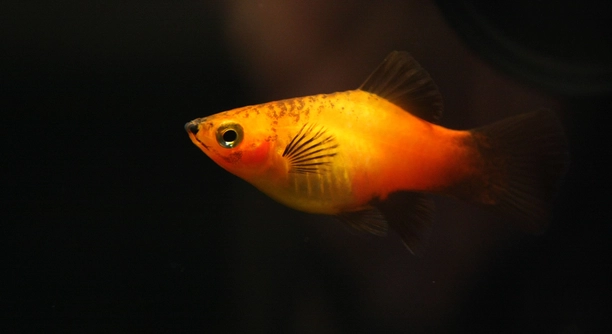
Have you ever noticed your platy fish acting a little different and started wondering if it might be bored in its tank?
Platy fish can show signs of boredom through repetitive swimming, glass surfing, lack of appetite, hiding, aggression, pale coloration, and low activity levels. These behaviors may indicate stress or lack of environmental stimulation.
Recognizing these signs early can help you create a more engaging and comfortable space for your platy fish.
Repetitive Swimming Patterns
Platy fish that swim in the same pattern over and over may be showing signs of boredom. This repetitive movement often happens when they don’t have enough stimulation in their tank. It can look like swimming back and forth along the glass or circling one corner. These movements are not always playful. Instead, they can suggest that your fish is feeling stressed or understimulated. In a well-balanced tank with hiding spots, plants, and space to explore, platies tend to swim more freely and show natural curiosity. If you see constant pacing or circling, it may be time to adjust the tank setup. Adding live plants, rocks, or a larger swimming area can help your platy fish feel more at ease. It’s also helpful to check the water quality and temperature, as poor conditions can add to their discomfort and create more behavioral issues.
Repetitive swimming is one of the most noticeable behaviors when platies are bored or unsettled in their environment.
Changing the tank layout every so often can give them something new to explore. Even simple changes like rearranging decorations or adding floating plants can make a big difference. Providing space to roam and a few hiding areas helps keep their mind engaged and their movements natural.
Lack of Appetite
A platy fish that suddenly stops eating might be bored. While health problems can also cause a loss of appetite, boredom often plays a part, especially in otherwise healthy fish.
Platies thrive in tanks that stimulate their senses. When they have nothing new to interact with, they can become lethargic, disinterested in food, and less responsive during feeding times. A bored platy may stop chasing food, even if it’s their favorite. This behavior might go unnoticed for a while, especially if you have multiple fish in the tank. To bring back their appetite, try offering different types of food or adjusting feeding times. Flake food can be rotated with live or frozen options like daphnia or bloodworms. Feeding techniques, like letting the food sink slowly or placing it in different areas of the tank, can also make mealtime more stimulating. This encourages their natural hunting instinct and makes eating more engaging.
Glass Surfing Behavior
Glass surfing looks like your platy fish is frantically swimming up and down along the tank walls. It often happens when there’s too little stimulation or the fish feels trapped or stressed by the environment.
This behavior may increase if the tank is too small or lacks proper enrichment. Platies are naturally active and curious, so when the space doesn’t offer variety, they may resort to pacing the glass. It’s important to check for reflections too, as some fish may react to their own image, mistaking it for another fish. While this might seem harmless, constant glass surfing can lead to exhaustion or injury. If you notice this behavior, try adding live plants, hiding spots, or rearranging the décor to offer new areas for your platy to explore. These small changes often make a big difference in reducing stress-related behavior like glass surfing.
In some cases, poor water conditions may also cause glass surfing. Ammonia spikes, low oxygen levels, or incorrect pH can stress your fish, making them swim erratically. Regular water testing and consistent tank maintenance can help keep things balanced. A peaceful tank setup with hiding spots and clean water helps platies feel safe, which reduces the chance of them showing this behavior too often.
Hiding More Than Usual
A platy that hides more often may be trying to avoid stress. While hiding now and then is normal, constant hiding can suggest boredom, fear, or discomfort in the tank.
If your platy is hiding behind plants or staying near the bottom for long periods, it may not feel secure in its surroundings. This behavior becomes more likely if there’s not enough cover or if the tankmates are too aggressive. In some cases, poor lighting or loud sounds outside the tank can also cause a platy to withdraw. To help, add more hiding spaces like caves or thick plants. A calm tank environment with proper lighting and low noise can help your fish feel more confident. When your platy feels safe and comfortable, it will spend more time swimming around and showing natural behaviors. Creating a stable environment can gently encourage it to become more active and less withdrawn.
Sudden Aggression Toward Tankmates
Platy fish are usually peaceful, so sudden aggression can be a sign something isn’t right. Boredom, overcrowding, or lack of hiding spaces can lead to frustration, causing them to nip at fins or chase others around the tank.
If left unchecked, this behavior can stress out other fish. Adding plants, spreading out feeding areas, and rearranging décor can help break up territorial habits and reduce tension between fish. A more enriching tank often helps calm things down quickly.
Pale or Faded Coloration
When a platy fish starts to lose its bright colors, boredom could be part of the issue. While health and water quality should always be checked first, lack of stimulation can lead to stress, which affects their color. Platies thrive in lively, well-planned tanks. When their environment is dull or repetitive, they may start to look washed out over time. Try offering variety—change the tank setup once in a while or switch up their food. Interacting with their surroundings helps them stay engaged, which supports both their mood and appearance. A colorful platy is often a sign of good health and contentment.
Low Activity Levels
If your platy fish is spending most of its time hovering or resting, boredom may be the reason. Without enough stimulation or space to explore, they may slow down and appear less playful than usual.
FAQ
How can I tell if my platy is bored or sick?
Bored platies often show changes in behavior, like repetitive swimming, hiding, or low activity. Their color may fade, and they might lose interest in food. Sick platies usually show other signs, such as clamped fins, rapid gill movement, bloating, or white spots on their body. If the water quality is fine and your platy eats well but still acts oddly, boredom could be the cause. But if there are physical changes or signs of distress, it’s best to rule out illness by checking for symptoms and possibly isolating the fish for closer observation.
Do platy fish need toys or decorations to stay happy?
Yes, platy fish benefit from a stimulating environment. While they don’t need toys like land animals do, decorations like live or silk plants, rocks, driftwood, and hiding spots help keep them active and curious. These items create areas to explore, rest, and hide. Changing the layout every couple of weeks or so can also keep things fresh. A plain tank with little to no enrichment may cause boredom and stress, leading to behavioral issues. Adding some structure to the tank gives your platy a more natural and engaging home.
Can platies live alone, or do they need companions?
Platies are social fish and usually do better in groups. Keeping them alone for too long can lead to boredom, stress, and even depression-like behaviors. A small group of three to five platies is ideal, as it helps them interact, stay active, and feel safe. They are peaceful and enjoy swimming around with others of their kind. If you only have one platy, try to add more or at least ensure the tank has lots of stimulation. Just make sure the tank size and filtration can support multiple fish.
How often should I change the tank setup to prevent boredom?
You don’t need to make big changes often, but small adjustments every two to four weeks can help. Move decorations, switch out plants, or change the swimming space slightly. These changes encourage exploration and keep your platy fish mentally engaged. Be careful not to stress them by rearranging everything at once. Start small, observe how they respond, and make gradual updates as needed. This helps keep things interesting without overwhelming your fish. Variety in their surroundings can make a big difference in reducing boredom.
What types of food can keep my platy interested during meals?
Offering a mix of flake food, freeze-dried options, live food (like daphnia), and frozen treats (such as brine shrimp or bloodworms) can make feeding time more engaging. Rotate their diet every few days to avoid repetition. Sinking pellets or slow-release feeders can also help make meals more interactive. Avoid overfeeding, but give them time to chase or explore for food. This mimics natural foraging behaviors and keeps them alert and stimulated during feeding time.
Can a platy fish recover from boredom-related behavior?
Yes, most platy fish can bounce back once their environment improves. Adding tank mates, improving tank layout, offering varied food, and maintaining good water conditions can help. You might start to see changes within a few days—more swimming, better appetite, and brighter colors. Keep the tank clean and make sure they feel safe. Be patient, especially if they’ve been bored for a long time. A consistent routine combined with occasional changes can go a long way in helping them feel active and comfortable again.
Is aggression always a sign of boredom?
Not always. Aggression in platies can also stem from overcrowding, limited resources, or even breeding behavior. But boredom can lead to frustration, especially in an empty tank. If your fish suddenly starts chasing others, nip at fins, or guard certain areas, boredom might be contributing. Make sure the tank isn’t too small, and offer hiding places so others can escape when needed. Spreading out food during feeding time can also reduce competition and aggressive behavior.
What’s the best tank size to prevent boredom in platy fish?
For a small group of platies, a 20-gallon tank is usually a good start. This gives them room to swim and space to create territories. A cramped tank limits movement and leads to stress or boredom. Even though platies are small, they still need room to explore. More space also allows for more décor and plants, which help create a more stimulating and peaceful environment. A larger tank makes it easier to maintain good water quality, which supports both physical health and overall behavior.
Final Thoughts
Platy fish are active and curious by nature. When their environment lacks variety or space, they can become bored. Boredom in fish may seem like a small issue, but over time, it can lead to stress and affect their overall health. You may notice small changes at first—less swimming, color fading, or a drop in appetite. If these signs are ignored, they can slowly turn into more serious problems. Paying attention to how your fish behaves every day can help you notice boredom early. This gives you a chance to make changes before things get worse.
Creating a better tank doesn’t have to be complicated. Simple updates like adding more plants, changing the layout, or giving them more room to explore can make a big difference. Feeding them a variety of food and providing peaceful tankmates also helps. Try to observe their reactions when you change things. If they become more active or colorful, that’s usually a sign that you’re moving in the right direction. Just like people, fish benefit from having a space where they feel safe, active, and mentally engaged. A happy platy is usually easy to spot—bright colors, steady swimming, and active feeding are all good signs.
Taking care of platies goes beyond just clean water and food. It’s also about creating a space where they can live well. If you’ve noticed signs of boredom, don’t feel discouraged. Many of these issues are easy to fix with a few small adjustments. Every fish is different, and it may take time to see what works best in your tank. Keep checking water conditions, offer new things to explore, and stay consistent with care. Over time, your efforts will help your platy fish stay active, healthy, and at ease in their home. Keeping them engaged is not only good for their well-being, but it also makes the tank more enjoyable to watch every day.

Hello,
If you enjoy the content that we create, please consider saying a "Thank You!" by leaving a tip.
Every little bit helps us continue crafting quality advice that supports the health, happiness, and well-being of pets around the world, for pets of all shapes, sizes, and species.
We really appreciate the kindness and support that you show us!