
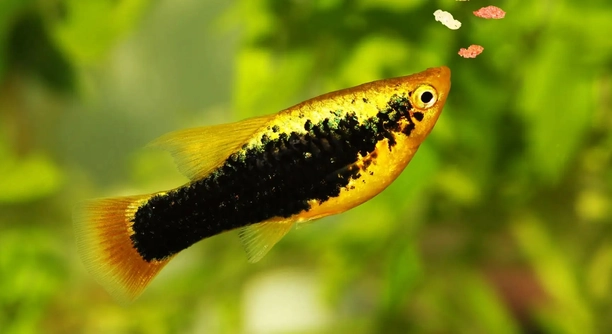
Platies are popular freshwater fish known for their bright colors and peaceful nature. Observing their behaviors can sometimes raise questions, especially when they act unusually. One such behavior is when a platy shakes before swimming.
Shaking in platies before swimming is often a response to environmental stimuli, such as water temperature changes, stress, or irritation from parasites. This shaking helps the fish adjust their balance and prepare their muscles for movement in the water.
Understanding why this shaking happens can help you provide a healthier environment for your fish. The reasons behind it reveal important details about their well-being and care needs.
Reasons Behind the Shaking Behavior
Platies may shake before swimming due to several factors related to their environment and health. One common reason is a sudden change in water temperature, which can cause their muscles to twitch as they adjust. Another factor is stress, often caused by overcrowding or aggressive tank mates. Stress makes the fish restless and more likely to display unusual movements like shaking. Additionally, parasites or skin irritations can trigger this behavior, as the fish tries to relieve discomfort. Poor water quality also plays a role, as harmful chemicals or high ammonia levels irritate their bodies. Observing other signs, such as loss of appetite or lethargy, can help identify if shaking is linked to health problems. Keeping the tank clean and stable reduces these risks and promotes calm behavior.
Proper care and regular water checks help prevent shaking caused by environmental stress or irritants.
Maintaining a consistent water temperature and avoiding overcrowding will keep platies comfortable. Watching for signs of illness early allows for prompt treatment, which can stop shaking before it worsens. Overall, a balanced environment supports healthy and natural fish behavior.
How to Respond to Shaking
When you notice your platy shaking, immediate steps should be taken to assess its environment.
Checking water parameters like temperature, pH, and ammonia levels is essential. Keeping the tank clean and free from harmful chemicals reduces stress on the fish. If parasites are suspected, treating the tank with appropriate medication helps stop irritation. Avoid sudden changes in the tank setup to minimize shock. Observing your fish regularly allows you to catch early signs of discomfort or disease. Offering a balanced diet supports immune health, making your platy less likely to experience stress-induced shaking. Small changes in care routines often have a big impact on their behavior and overall health.
Preventing Shaking in Platies
Maintaining stable water conditions is key to preventing shaking in platies. Regular water testing and cleaning keep the tank environment safe and comfortable for your fish.
Consistent temperature control helps reduce muscle twitching caused by sudden changes. Avoid overcrowding to minimize stress and aggressive behavior. Feeding a nutritious, balanced diet strengthens their immune system, lowering the risk of illness. Providing hiding places gives platies a sense of security, which reduces nervous energy that can cause shaking. Paying attention to these details creates a calm and healthy tank environment that supports natural behavior.
Proper quarantine procedures for new fish prevent the introduction of parasites and diseases. Early detection of any health issues allows quick treatment, which helps stop shaking and other symptoms before they worsen.
When to Seek Professional Help
If shaking persists despite improving tank conditions, professional advice may be necessary. Persistent shaking can indicate underlying health problems that require diagnosis and treatment beyond basic care.
A veterinarian or experienced fish specialist can identify infections, parasites, or internal issues that are not obvious. They may recommend specific medications or treatments to address these problems. Timely intervention prevents the condition from worsening and supports your platy’s recovery. If behavioral changes like lethargy, loss of appetite, or discoloration occur along with shaking, it is especially important to seek help. Professional guidance ensures your fish receives the care needed for long-term health.
Common Environmental Triggers
Sudden changes in water temperature or quality often cause platies to shake. These changes stress the fish and disrupt their normal behavior.
Introducing new tank mates without proper acclimation can also trigger shaking. Stress from aggression or competition affects their comfort and safety.
Signs of Illness to Watch For
Shaking accompanied by other symptoms such as clamped fins, discoloration, or unusual swimming patterns usually indicates illness. Early recognition of these signs helps prevent worsening conditions.
Maintaining a close watch on your platy’s behavior and appearance allows timely action. Treating illnesses quickly improves recovery chances and reduces stress-related shaking.
Role of Diet in Behavior
A poor diet lacking essential nutrients weakens a platy’s immune system. This makes them more vulnerable to infections and stress, leading to shaking.
Providing a varied diet with quality flakes, pellets, and occasional live foods supports overall health. Proper nutrition helps keep your fish active and calm.
Tank Setup Tips
Ensure the tank has hiding spots and plants to make platies feel secure. A comfortable environment lowers stress and shaking.
FAQ
Why does my platy shake only before swimming?
Platies often shake before swimming as a natural way to prepare their muscles and balance for movement. This brief twitching helps them adjust to water currents and changes in their environment. It is usually harmless if it happens occasionally and the fish appears healthy.
Is shaking a sign of illness in platies?
Shaking can be a sign of illness if it is persistent and accompanied by other symptoms like loss of appetite, faded colors, or clamped fins. These signs might indicate infections, parasites, or poor water conditions. Monitoring the tank’s cleanliness and water parameters can prevent many health issues.
Can water temperature changes cause shaking?
Yes, sudden shifts in water temperature often cause muscle twitching or shaking in platies. They are sensitive to temperature changes, and a stable environment reduces this stress. Maintaining a consistent temperature between 72-78°F (22-26°C) is ideal for platies.
How often should I test my aquarium water?
Testing water at least once a week helps detect harmful ammonia, nitrite, or nitrate levels early. Keeping water parameters stable prevents stress-related behaviors, including shaking. Use simple aquarium test kits to monitor pH, temperature, and chemical levels regularly.
What should I do if my platy shakes and looks sick?
If shaking is paired with signs of illness, isolate the affected fish to prevent spreading disease. Check water quality immediately and perform a partial water change if necessary. Consult a vet or aquatic specialist for diagnosis and treatment options.
Does diet affect shaking behavior in platies?
Yes, a poor diet weakens a platy’s immune system, making it more prone to stress and shaking. Feed a balanced diet of high-quality flakes or pellets, supplemented with live or frozen foods. Proper nutrition supports overall health and reduces shaking caused by weakness.
Can stress from tank mates cause shaking?
Aggressive or overcrowded tank conditions often stress platies, leading to shaking or erratic swimming. Providing enough space, hiding places, and peaceful companions helps reduce stress and creates a calm environment.
Are parasites responsible for shaking?
External parasites can irritate platies, causing them to shake or rub against objects. Regular tank cleaning and quarantine of new fish prevent parasite outbreaks. Treating the tank with appropriate medication stops parasite-related shaking.
How can I reduce shaking caused by stress?
Improving water quality, maintaining stable temperature, and minimizing tank disturbances reduce stress. Adding plants or decorations creates hiding spots, helping platies feel secure and less likely to shake from nervousness.
Is shaking normal when platies are excited or feeding?
Platies may shake briefly when excited or ready to feed. This is a natural behavior and not a cause for concern unless it becomes frequent or intense. Ensuring their needs are met keeps these moments healthy and brief.
When should I seek professional help for my platy?
Seek professional advice if shaking continues despite good tank care or if your fish shows other signs of distress. A vet can provide treatments for infections, parasites, or internal issues that home care cannot address.
Can sudden lighting changes cause shaking?
Abrupt changes in light levels can startle platies, causing shaking or darting. Gradual lighting adjustments and a consistent day-night cycle create a stable environment that reduces this reaction.
What is the best water temperature for platies to avoid shaking?
A stable temperature between 72-78°F (22-26°C) is best for platies. Keeping the temperature steady prevents muscle twitching related to thermal shock and supports their overall health.
How important is tank size in preventing shaking?
Adequate space reduces stress and competition among fish. A larger tank with at least 10 gallons for a few platies helps maintain stable conditions and lowers shaking caused by crowding or aggression.
Can shaking be caused by poor oxygen levels?
Low oxygen levels can stress fish, leading to shaking and rapid gill movement. Proper aeration and water circulation ensure enough oxygen, keeping your platies calm and healthy.
Does water hardness affect shaking?
Platies prefer moderately hard water. Sudden changes in water hardness can cause discomfort, potentially leading to shaking. Maintaining consistent water hardness supports their well-being.
Is shaking related to breeding behavior?
Male platies may shake as part of mating displays or courtship. This behavior is normal and usually harmless when observed alongside other breeding activities.
How can I improve tank conditions to prevent shaking?
Regular water changes, stable temperature, proper filtration, and balanced stocking reduce stress and shaking. Monitoring fish behavior helps detect problems early for prompt action.
Can shaking damage my platy?
Occasional shaking is harmless, but frequent or intense shaking can indicate stress or illness that may harm your fish if untreated. Early care prevents further health issues.
What role does tank decoration play in reducing shaking?
Plants and hiding spots provide security, reducing nervousness and shaking. A well-decorated tank mimics a natural environment that helps platies feel safe and relaxed.
Platies are sensitive fish that show signs of their well-being through their behavior. Shaking before swimming is one such behavior that can mean different things depending on the situation. Often, it is a normal reaction to environmental changes, like adjusting muscles before moving or reacting to small changes in water conditions. In many cases, occasional shaking is harmless and part of how platies stay balanced and ready to swim. However, repeated or intense shaking may indicate stress, discomfort, or illness. Paying close attention to your fish’s overall behavior, appearance, and environment can help you understand what is causing the shaking.
Taking good care of the tank is essential to reduce shaking caused by stress or poor conditions. Maintaining stable water temperature, keeping water clean, and avoiding overcrowding creates a peaceful home for your platies. Providing hiding spots and gentle tank mates also helps lower stress levels. A balanced diet with proper nutrients supports their immune system and helps prevent health problems. Regularly testing water parameters such as pH, ammonia, nitrites, and nitrates ensures the tank remains safe. Acting quickly if you notice any signs of illness, such as changes in color or appetite, can prevent more serious problems that cause shaking.
When shaking persists or is accompanied by other worrying signs, seeking professional advice is important. A veterinarian or experienced fish care specialist can diagnose infections or parasites that may not be visible to the eye. They can also recommend treatments that improve your fish’s health and comfort. Understanding the reasons behind shaking helps you provide better care and creates a stable environment for your platies to thrive. Overall, observing your fish carefully and maintaining a healthy tank are the best ways to keep shaking behavior under control and ensure your platies live a calm, healthy life.

Hello,
If you enjoy the content that we create, please consider saying a "Thank You!" by leaving a tip.
Every little bit helps us continue crafting quality advice that supports the health, happiness, and well-being of pets around the world, for pets of all shapes, sizes, and species.
We really appreciate the kindness and support that you show us!