
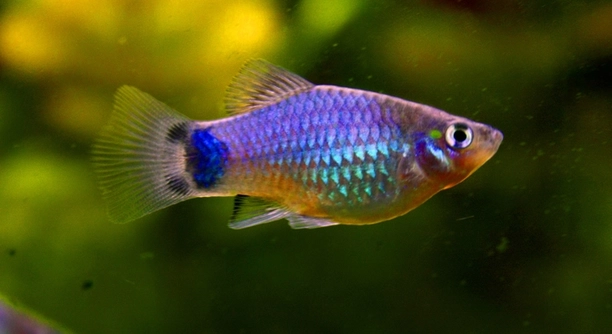
Platies are popular aquarium fish that need regular cleanings to stay healthy. However, certain common mistakes during these cleanings can cause them unnecessary stress. Understanding these errors is key to maintaining a peaceful environment for your platies.
Seven frequent mistakes cause stress to platies during tank cleanings, including sudden water changes, improper handling, use of harsh chemicals, inadequate acclimation, excessive disturbance, poor water quality management, and ignoring fish behavior signals. Avoiding these can improve their well-being significantly.
Recognizing these issues will help you provide a safer, more comfortable space for your platies. This article outlines key points to consider during your next cleaning session.
Sudden Water Changes
Platies are sensitive to rapid changes in their environment. When cleaning the tank, replacing too much water at once can shock them, causing stress or even health issues. It’s best to change about 20-30% of the water gradually, using water that matches the tank’s temperature and pH. Sudden drops or rises in temperature can disrupt their balance and make them vulnerable to illness. Using a siphon to clean the substrate carefully also helps reduce disturbance. By making water changes slow and controlled, you keep the environment stable and reduce stress for your platies.
Water changes should be gentle and gradual to avoid stressing platies.
Slow, consistent water changes help maintain the tank’s stability. Avoid flushing out too many beneficial bacteria by not over-cleaning the filter or tank surfaces. Test the water for ammonia, nitrites, and nitrates regularly. Consistent water quality supports the platies’ immune systems and keeps them calm during maintenance.
Handling Techniques
Improper handling is another source of stress for platies during cleaning. Avoid grabbing fish directly with your hands or nets as this can injure them or cause panic. When it’s necessary to move platies, use a soft net gently and transfer them quickly to a temporary container with clean tank water. Holding fish out of water for too long can be harmful, so limit the time they spend outside the tank. Minimizing handling reduces risk and helps keep your platies calm.
Handling platies carefully and minimizing direct contact reduces their stress.
Using gentle nets and quick transfers makes a difference. Fish can feel the pressure and temperature changes when handled roughly. If you notice signs of distress, such as rapid gill movement or erratic swimming after handling, give them time to recover in a quiet, safe space within the tank. Avoid overcrowding the temporary holding container to prevent additional stress. Keeping handling to a minimum protects their delicate scales and slime coat, which serve as natural defenses against infections. Clean your nets regularly to avoid spreading bacteria or parasites. With these simple steps, you create a less stressful experience for your platies and promote their overall health during cleaning tasks.
Use of Harsh Chemicals
Harsh chemicals can harm platies during cleaning. Avoid soaps, detergents, or strong disinfectants in or near the tank. Even small residues can irritate their sensitive skin and gills.
Chemicals left behind after cleaning may linger on decorations or surfaces. These residues cause stress or sickness if platies come in contact with them. Always rinse items thoroughly with clean, dechlorinated water before returning them to the tank. Stick to aquarium-safe products designed for fish tanks to prevent damage. Natural cleaning methods like vinegar solutions or dedicated fish-safe cleaners work well and reduce risks.
Using harsh chemicals risks long-term damage to your platies’ health. They depend on a clean but safe environment. If you must disinfect, choose mild alternatives and rinse repeatedly. This protects their protective slime coat and respiratory system, helping keep them comfortable during tank maintenance.
Inadequate Acclimation
Skipping acclimation when moving platies stresses them. Sudden changes in water temperature or chemistry shock their systems. This can lead to illness or death.
Proper acclimation helps platies adjust gradually. Float their container in the new tank for about 15-20 minutes to equalize temperature. Slowly add small amounts of tank water to their holding container every few minutes over 30-60 minutes. This process balances pH, hardness, and other water parameters. When platies are acclimated carefully, they face less stress and have a better chance of thriving.
Rushing acclimation risks shock and weakens their immune response. Take your time to help your platies settle safely. This simple step protects their health and supports a smoother transition. It also reduces erratic behavior and improves overall tank harmony.
Excessive Disturbance
Platies can become stressed when their environment is disturbed too much during cleaning. Moving decorations and stirring up the substrate can upset them.
Limiting the amount of disruption helps keep them calm. Clean gently and avoid unnecessary rearranging to reduce stress.
Poor Water Quality Management
Maintaining stable water conditions is essential for platies. Frequent fluctuations in temperature, pH, or chemical levels create stress and illness risks. Test the water regularly to catch issues early. Use a heater or cooler as needed to keep temperature steady. Avoid overfeeding to prevent excess waste, which pollutes the tank. Proper filtration and routine partial water changes maintain balance. Good water quality supports their immune system and overall comfort. Consistent monitoring and care prevent sudden changes that cause stress, promoting a healthier, happier tank environment for your platies.
Ignoring Fish Behavior Signals
Platies communicate stress through behavior changes. Watch for hiding, rapid swimming, or loss of appetite. These signs indicate discomfort during cleaning. Responding promptly by adjusting cleaning methods improves their well-being.
How often should I clean my platies’ tank to avoid stressing them?
Cleaning frequency depends on tank size and population but generally, partial water changes of 20-30% every one to two weeks are sufficient. Over-cleaning or frequent large water changes can cause stress by disrupting the tank’s environment. Regular but gentle maintenance keeps water quality stable and your platies comfortable.
What is the safest way to change water without shocking platies?
Use water that matches the tank’s temperature and pH. Change only a portion of the water at once, ideally no more than 30%. Pour the new water slowly to avoid sudden currents or temperature shifts. Testing water parameters before and after changes helps ensure conditions remain stable.
Can I use tap water for water changes?
Tap water is usually safe if treated properly. Use a water conditioner to remove chlorine, chloramine, and heavy metals before adding it to the tank. Untreated tap water can harm platies’ delicate gills and skin, so always condition it first.
How do I properly handle platies during cleaning?
Avoid touching platies directly. Use a soft, fine-mesh net to move them gently when necessary. Minimize time spent outside their tank, and transfer them to a container filled with clean tank water. Rough handling or extended exposure to air increases stress and risk of injury.
Are aquarium-safe cleaning products really necessary?
Yes. Household cleaners often contain chemicals harmful to fish. Only use products labeled safe for aquarium use. Natural alternatives like diluted vinegar are also effective for cleaning decorations. Always rinse thoroughly before returning items to the tank.
What are signs that my platies are stressed during cleaning?
Look for hiding, frantic swimming, loss of appetite, or faded colors. These behaviors suggest discomfort or stress. If noticed, reduce disturbances during cleaning and ensure water parameters are stable. Allow the fish time to recover in a calm environment.
How important is acclimation after cleaning or moving platies?
Acclimation is very important. Gradually adjusting platies to new water conditions prevents shock. Float their temporary container in the tank to equalize temperature, then slowly add tank water over 30-60 minutes. Skipping this can lead to health problems or death.
What role does substrate cleaning play in platy stress?
Cleaning substrate removes waste buildup but should be done gently. Stirring up too much debris creates cloudy water and may release harmful substances. Use a siphon carefully, cleaning small sections at a time to minimize disturbance.
Can overfeeding during cleaning cause problems?
Yes. Overfeeding leads to excess waste, which pollutes the tank and lowers water quality. This increases stress and disease risk. Feed platies small amounts only once or twice daily, and remove uneaten food promptly.
How can I monitor water quality effectively?
Regular testing is key. Use aquarium test kits to check ammonia, nitrite, nitrate, pH, and temperature. Maintain recommended levels to keep platies healthy. Adjust maintenance routines based on test results to avoid stress from poor water conditions.
Is it okay to rearrange decorations during cleaning?
Frequent or major rearrangements can unsettle platies. They rely on familiar hiding spots to feel safe. If changes are needed, do them gradually and avoid disturbing plants or structures too much.
What should I do if my platies show signs of illness after cleaning?
Check water parameters immediately. Poor water quality often causes illness. Quarantine sick fish if possible and consult a vet or specialist for treatment options. Adjust cleaning methods to reduce stress going forward.
These answers provide practical ways to reduce stress on platies during cleaning. Following careful, consistent care protects their health and promotes a peaceful aquarium environment.
Regular cleaning is essential for keeping platies healthy and their tank environment balanced. However, it is important to approach cleaning with care to avoid causing stress to these delicate fish. Stress can weaken their immune system and make them more prone to illness. By understanding common mistakes, such as sudden water changes, improper handling, and the use of harsh chemicals, you can improve the cleaning process. Taking time to prepare water properly and handle platies gently will create a safer experience for both you and your fish.
Maintaining stable water conditions is one of the most important factors in reducing stress. Frequent fluctuations in temperature, pH, or water quality can be harmful to platies. Regular testing and slow, partial water changes help keep the environment consistent. It is also crucial to avoid overfeeding and to clean the substrate carefully without stirring up too much debris. Paying attention to these details helps keep the tank clean without upsetting the fish. The goal is to support the natural balance in the tank so your platies feel comfortable and secure.
Observing your platies during and after cleaning is helpful in identifying signs of stress. Changes in behavior, such as hiding or loss of appetite, indicate that something may need adjustment in your routine. Responding to these signs by making cleaning less disruptive or improving water conditions benefits the fish’s well-being. A calm and steady approach to maintenance will lead to a healthier tank and happier platies over time. Keeping this in mind will help you care for your fish with confidence and ensure they thrive in their environment.

Hello,
If you enjoy the content that we create, please consider saying a "Thank You!" by leaving a tip.
Every little bit helps us continue crafting quality advice that supports the health, happiness, and well-being of pets around the world, for pets of all shapes, sizes, and species.
We really appreciate the kindness and support that you show us!