
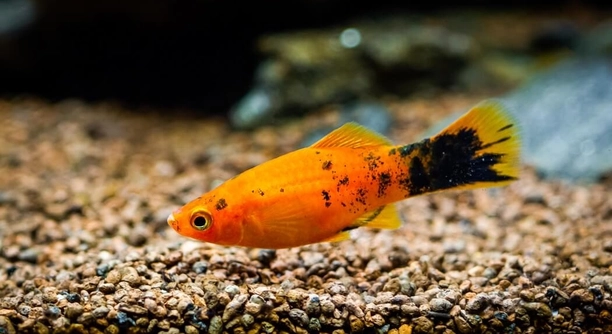
Platies are popular freshwater fish known for their peaceful nature and bright colors. Many fish keepers notice their behavior and wonder if these small fish can show signs of curiosity in their environment. Observing such traits can deepen understanding of pet fish.
Platies demonstrate behaviors that suggest a level of curiosity, such as exploring new objects and responding to changes in their surroundings. These actions indicate cognitive engagement beyond simple survival instincts in their aquatic habitat.
Exploring how platies express curiosity offers insight into their behavior and care, enriching the experience of keeping them as pets.
Understanding Platies’ Behavior
Platies often explore their surroundings by swimming around decorations, plants, and tank equipment. When a new object is introduced, they may approach it slowly and circle it several times. This cautious investigation shows they notice changes and are interested in their environment. Their tendency to follow movements outside the tank, like a person walking by, also suggests attentiveness. These fish can learn to recognize feeding times and may swim to the surface in anticipation, which reflects memory and awareness. Observing these small actions helps us see that platies are more than just passive creatures. They interact with their space in ways that could be described as curious, even if it’s not as obvious as with some other pets. This behavior is important for their well-being, as an enriched environment can reduce stress and encourage natural instincts.
Platies’ interaction with their environment reflects a level of mental stimulation that benefits their health and happiness.
Providing variety in the tank helps maintain their interest and reduces boredom. Rotating decorations or adding safe plants can encourage natural exploration. Keeping the tank clean and stable supports their comfort, making them more likely to engage actively. Watching their reactions to different stimuli can be rewarding and helps build a better understanding of their needs. When they display investigative behavior, it shows they are adapting and responding to their surroundings. This active engagement can be a sign of good mental and physical condition in platies.
Encouraging Curiosity in Your Platies
Regularly changing the tank environment encourages platies to explore and interact more.
Adding new elements like floating plants or small tunnels can spark interest.
Introducing novel objects carefully lets you observe their reactions without causing stress. It is essential to avoid overcrowding and maintain proper water conditions to keep them comfortable. Gradual changes are best since sudden shifts can cause anxiety. Watching how platies respond to new items helps understand their level of curiosity. Encouraging this behavior keeps them active and healthy, improving overall aquarium life quality. Through consistent care and attention, you can create a stimulating habitat that supports their natural tendencies.
Signs of Curiosity in Platies
Platies often explore by swimming toward new objects or changes in their tank. They show interest by gently nudging or circling unfamiliar items.
This behavior reveals their natural instinct to understand their environment. They may approach new decorations slowly, taking time to observe before interacting further. Sometimes, platies follow movements outside the tank, showing awareness beyond their immediate surroundings. This attentiveness helps them adapt and respond to potential food sources or threats. Such subtle actions suggest more than just routine swimming—they indicate a level of engagement and mental stimulation that resembles curiosity.
Recognizing these signs helps improve how we care for platies. Offering new stimuli regularly encourages their natural exploring behavior. When platies investigate, it shows they are mentally active and comfortable. Encouraging this curiosity is beneficial for their well-being and creates a livelier tank atmosphere.
Impact of Environment on Curiosity
The environment plays a crucial role in stimulating platies’ curiosity.
Variety in tank setup encourages exploration and keeps platies interested. Including plants, hiding spots, and moving decorations can create a dynamic habitat. Consistent water quality and temperature support healthy behavior. Stress from poor conditions often causes platies to become inactive and less responsive to changes. A well-maintained, enriched environment promotes natural instincts like foraging and investigating. These conditions lead to more frequent signs of curiosity and better overall health. Watching your platies interact with their surroundings reveals how much the environment affects their behavior. Small changes in the tank can produce noticeable differences in their activity and mood.
Recognizing Curiosity Through Feeding Behavior
Platies show curiosity during feeding by actively searching for food and following movements near the tank.
They can learn feeding routines and anticipate mealtime, demonstrating memory and awareness in their daily behavior.
Interaction With Tank Mates
Platies often investigate other fish and their behavior. They may swim closely alongside or gently nudge tank mates to explore social boundaries. These interactions show curiosity about their surroundings and companions, helping them establish social order and reduce stress.
Benefits of Observing Curiosity
Watching platies’ curious behaviors helps owners identify health and happiness levels. Active exploration usually means a comfortable and well-adjusted fish. Noticing changes in curiosity can signal stress or illness early, allowing timely care adjustments.
Providing Mental Stimulation
Introducing new objects or rearranging tank decorations regularly keeps platies engaged and encourages ongoing exploration.
FAQ
Can platies really be curious, or is it just instinct?
Platies display behaviors that go beyond simple instinct. Their exploration of new objects and responsiveness to changes show a level of mental engagement. While much of their activity is driven by survival, their reactions suggest a basic form of curiosity as they learn about their environment.
How can I tell if my platies are curious or stressed?
Curious platies will actively explore and interact with new items in the tank. They swim calmly and investigate changes slowly. Stressed platies often hide, become inactive, or show rapid breathing. Watching their reactions carefully helps distinguish curiosity from anxiety.
What types of tank decorations encourage platy curiosity?
Plants, caves, and small tunnels encourage natural exploration. Floating plants add variety and shelter, while smooth rocks or driftwood provide interesting surfaces to investigate. Rotating or rearranging these decorations keeps the environment fresh and stimulating.
Is it safe to introduce new objects frequently?
Introducing new items gradually is safest. Sudden, large changes can cause stress. Small, gentle additions allow platies to explore without feeling threatened. Always make sure new decorations are aquarium-safe and properly cleaned before adding them.
Do platies respond to people outside the tank?
Yes, platies often notice movement outside the tank. They may swim toward people or follow their finger along the glass. This behavior shows attentiveness and can be a sign of recognition or curiosity.
Can platies learn feeding schedules?
Platies can learn to anticipate feeding times. They often swim to the surface or gather near feeding areas when they expect food. This shows memory and an ability to recognize routine, which reflects cognitive function beyond basic instinct.
How does a varied diet affect platy behavior?
A varied diet supports health and encourages active behavior. Offering different foods like flakes, pellets, and occasional live or frozen treats can keep platies engaged. Proper nutrition helps maintain energy levels, which supports curious and exploratory behaviors.
What should I avoid when trying to encourage curiosity?
Avoid sudden, large changes in the tank or water conditions. Overcrowding and poor water quality cause stress, which reduces curiosity. Also, avoid using decorations with sharp edges or toxic materials that could harm the fish or cause fear.
How often should I change the tank setup to keep platies interested?
Changing tank decorations every few weeks can help maintain interest. Small adjustments, like moving plants or adding a new hiding spot, provide new stimuli. These gradual changes prevent boredom without overwhelming the fish.
Can tank size affect platy curiosity?
Yes, larger tanks usually encourage more exploration because there is more space and variety. Small, overcrowded tanks can limit movement and reduce opportunities for natural behaviors. Providing enough room supports both physical and mental well-being.
Are platies more curious during certain times of the day?
Platies tend to be more active during daylight hours when they feel safe. They may explore more in the morning or when the tank lights are on. Activity often decreases at night when they rest.
Does adding tank mates influence platy curiosity?
Introducing compatible tank mates can encourage social behaviors and curiosity. Platies often investigate other fish to learn about their presence. However, aggressive or very shy tank mates can reduce their confidence and curiosity.
How important is water quality for maintaining curiosity?
Water quality is critical. Poor conditions cause stress, which makes platies hide or become inactive. Clean, stable water encourages natural behaviors, including curiosity and exploration.
Can platies recognize their owners?
While platies do not recognize individuals the way mammals might, they can learn to associate certain people with feeding or activity outside the tank. This recognition can lead to responsive behavior when owners approach.
What signs indicate a platy is bored?
Bored platies may swim aimlessly, hide frequently, or show little interest in their surroundings. Lack of exploration or reduced response to changes can be signs that the environment lacks stimulation.
How does stress affect curiosity in platies?
Stress reduces curiosity by making platies withdraw or hide. Causes include poor water conditions, sudden changes, overcrowding, or aggressive tank mates. Reducing stress is essential to restore their natural exploratory behavior.
Can curiosity improve a platy’s health?
Mental stimulation from curiosity can support overall health. Active exploration encourages exercise, reduces stress, and promotes natural behaviors, contributing to a longer, healthier life.
Are younger platies more curious than older ones?
Younger platies tend to be more active and exploratory, showing stronger curiosity. As they age, activity may decrease naturally, but maintaining a stimulating environment helps keep older fish engaged.
What role does lighting play in platy curiosity?
Proper lighting simulates natural conditions and supports activity. Bright, consistent lighting during the day encourages exploration, while dim or irregular lighting can cause stress or inactivity.
Is it normal for platies to ignore new objects sometimes?
Yes, not every new object will attract attention immediately. Some platies may be cautious or uninterested. Giving them time to adjust allows natural curiosity to develop gradually.
How can I safely observe my platies’ curiosity?
Observe quietly without tapping on the glass or making sudden movements. Use indirect light and watch for natural behaviors like investigating objects, following movement, or interacting with tank mates. Patience helps capture genuine curiosity.
Final Thoughts
Platies are more than just colorful fish swimming around a tank. Their behavior shows they have a natural tendency to explore and respond to changes in their environment. This kind of interaction goes beyond simple survival instincts and suggests a basic form of curiosity. Noticing how they react to new objects, movements, and feeding routines helps us understand that platies engage with their surroundings in meaningful ways. This awareness can improve how we care for them and enrich their lives.
Creating a stimulating environment is key to encouraging platies’ curiosity. Adding plants, decorations, and hiding spots provides them with opportunities to explore and feel secure. Rotating or rearranging these elements regularly keeps the tank fresh and interesting. It’s important to make changes gradually to avoid causing stress. Maintaining good water quality and stable conditions supports healthy behavior and reduces anxiety. When platies feel comfortable and safe, they are more likely to show curiosity and active engagement.
Observing platies’ curious behaviors can also help detect changes in their health or well-being. A fish that loses interest in exploring or becomes inactive may be experiencing stress or illness. Paying attention to their interactions with the environment and tank mates allows timely responses to their needs. Providing a balanced diet and proper care ensures they stay energetic and mentally stimulated. Overall, understanding and supporting platies’ curiosity leads to a healthier, more active aquarium, benefiting both the fish and the keeper.

Hello,
If you enjoy the content that we create, please consider saying a "Thank You!" by leaving a tip.
Every little bit helps us continue crafting quality advice that supports the health, happiness, and well-being of pets around the world, for pets of all shapes, sizes, and species.
We really appreciate the kindness and support that you show us!