
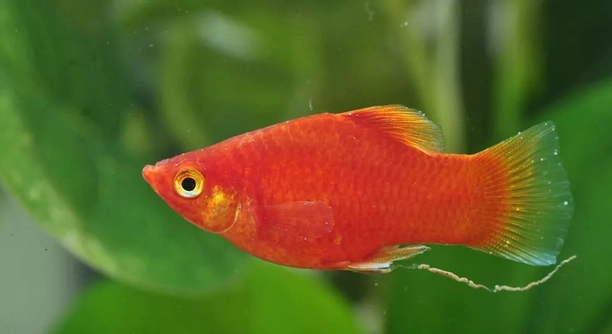
Platies are small, colorful freshwater fish often kept in home aquariums. Their behavior can sometimes surprise fish owners, sparking interest in how they interact with each other. Observing these fish can reveal unexpected social dynamics.
Platies do not show jealousy in the way humans understand the emotion. Their behavior is driven mainly by instinct and environmental factors, such as competition for food or mates, rather than complex feelings like jealousy. Scientific studies have not found evidence supporting jealousy in platies.
Understanding platies’ behavior can help you create a better environment for them. Exploring their interactions provides insight into their needs and how to care for them effectively.
Understanding Platies’ Social Behavior
Platies are active fish that often swim in groups. Their social behavior is based mostly on survival instincts, such as finding food or establishing territory. When one platy chases another, it is usually about dominance or competition for resources, not jealousy. These interactions help maintain order within the group. Male platies may show more aggressive behaviors when competing for mates, while females tend to be more peaceful. Observing these actions helps fish owners recognize what is normal and what could indicate stress or poor tank conditions. Proper tank size and hiding spots reduce conflicts. Good water quality also keeps them healthy and less prone to aggressive behavior. Understanding this social structure makes caring for platies easier and more rewarding.
Aggressive behavior in platies is mainly about survival and reproduction, not emotional responses like jealousy.
Keeping their environment stable and enriched encourages positive social interactions and minimizes stress-related aggression.
Signs That Are Often Mistaken for Jealousy
Platies sometimes display behaviors that owners interpret as jealousy. For example, a platy may swim closer to a mate or chase others away from food. These actions are usually about competition or curiosity rather than feelings. Changes in behavior can also result from illness, overcrowding, or poor water conditions. When one fish suddenly acts differently, it’s important to check the tank’s environment first. Providing plenty of space, hiding spots, and regular feeding schedules helps reduce tension. If aggression continues, separating aggressive fish might be necessary. Knowing these signs and their real causes helps keep your aquarium peaceful and your platies healthy.
Platies’ actions often reflect environmental factors rather than complex emotions.
By managing their habitat carefully, owners can avoid misunderstandings about their fish’s behavior.
How to Reduce Aggression Among Platies
Providing enough space in the tank is essential to reduce aggressive behavior. Overcrowding often leads to chasing and fighting.
Adding plants and decorations creates hiding spots, which help fish feel secure and lower stress levels. This also breaks the line of sight, preventing constant confrontations. Feeding platies on a regular schedule reduces competition for food, which can trigger aggressive behavior. Observing your fish daily helps you spot early signs of tension. If one fish becomes overly aggressive, consider separating it temporarily to restore peace. Maintaining clean water and stable conditions further supports calm behavior and overall health.
Introducing new fish slowly can prevent sudden increases in aggression. Quarantine new arrivals to avoid spreading disease, which can stress the whole tank.
The Role of Environment in Platy Behavior
A well-maintained environment directly influences platy behavior. Poor water quality or sudden changes can stress fish, causing erratic or aggressive actions. Temperature, pH, and cleanliness must be regularly checked. Consistent lighting and minimal disturbances also promote stability. A stressful environment can mimic signs that owners might mistake for jealousy. Ensuring the tank mimics natural conditions helps platies feel secure and behave normally. Stress reduction improves their immune system and promotes peaceful interactions, making the tank a pleasant place for all fish.
Regular tank maintenance is key to reducing behavioral problems.
Providing a stable, enriched environment supports healthy social behavior in platies.
Common Misinterpretations of Platy Behavior
Platies’ chasing or hiding can be mistaken for jealousy but often reflect natural instincts.
Understanding these behaviors prevents unnecessary worry and helps create a better environment for them.
How to Observe Platies Without Stressing Them
Watching platies quietly helps reveal their true behavior. Avoid tapping the glass or sudden movements.
Patience is key to noticing patterns like feeding, socializing, or resting, which indicate their well-being.
When to Seek Help for Aggressive Behavior
If aggression worsens despite adjustments, consulting a fish expert or veterinarian is advisable. Early intervention prevents harm and stress in the tank.
Maintaining a Calm Aquarium
Regular cleaning and proper tank setup contribute to a peaceful environment for platies and other fish.
FAQ
Can platies really feel jealousy?
Platies do not experience jealousy as humans do. Their behaviors, such as chasing or guarding, are instinctive actions tied to survival and reproduction. These fish respond to environmental triggers like food competition or mating rather than emotional feelings like jealousy.
Why does my platy chase other fish?
Chasing is a natural behavior mostly linked to establishing dominance or protecting territory. Male platies especially chase rivals during mating periods. It is rarely aggressive unless the tank is overcrowded or conditions cause stress.
How can I tell if aggression is a problem?
If chasing results in injuries, constant hiding, or stress signs like rapid breathing, aggression is problematic. Monitoring behavior helps identify when intervention is needed to maintain a healthy tank.
Will separating aggressive platies solve the issue?
Separating aggressive individuals can reduce tension temporarily. However, addressing root causes such as tank size, overcrowding, or environmental stress is essential for long-term peace.
How important is tank size for platy behavior?
Tank size significantly affects platy behavior. Larger tanks allow more space for swimming and hiding, reducing competition and stress. A minimum of 10 gallons is recommended for a small group, with more space better for multiple fish.
Can adding plants reduce aggression?
Yes, plants provide hiding spots and break lines of sight, which help fish feel secure. This decreases territorial disputes and chasing by offering refuge areas within the tank.
How does feeding affect platy behavior?
Regular, sufficient feeding lowers competition among fish. When food is scarce or unevenly distributed, platies may become more aggressive as they compete. Feeding smaller amounts multiple times a day helps reduce this tension.
Is water quality linked to aggressive behavior?
Poor water quality stresses fish, causing unusual behavior, including aggression. Regular water changes, filtration, and monitoring parameters like pH and ammonia keep fish healthy and calm.
Can platies live peacefully with other fish?
Platies are generally peaceful and can live with other non-aggressive community fish. Compatibility depends on tank size, species temperament, and adequate hiding places to reduce conflicts.
What signs show a stressed platy?
Signs include erratic swimming, loss of appetite, hiding excessively, or faded colors. Stress often stems from poor water quality, overcrowding, or illness and should be addressed promptly.
Are male platies more aggressive than females?
Males tend to show more chasing behavior, especially when competing for mates. Females are usually more passive. However, aggression can occur in both sexes depending on the environment.
How do I introduce new platies to my tank?
Introduce new fish slowly, preferably quarantining them for a few weeks before adding them to the main tank. Gradual introduction reduces stress and prevents sudden aggression outbreaks.
Can environmental enrichment improve platy behavior?
Providing plants, decorations, and varying the tank layout creates a stimulating environment. This helps reduce boredom and aggression by encouraging natural behaviors like hiding and exploring.
When should I consult a professional about my platies?
Seek help if aggressive behavior causes injury, if fish show signs of illness, or if you struggle to maintain water quality. A vet or experienced fish keeper can offer advice and treatment options.
How long do platies live in a home aquarium?
Platies typically live 2 to 3 years with proper care. Maintaining good water quality, a balanced diet, and a stress-free environment supports their longevity.
Do platies need companions to thrive?
Platies are social fish and do best in groups of at least three. Keeping them alone can lead to stress and abnormal behavior. A small group promotes natural social interaction and well-being.
These answers aim to clarify common concerns about platy behavior, helping maintain a peaceful and healthy aquarium environment.
Platies are popular aquarium fish known for their bright colors and peaceful nature. While it may seem like they show emotions such as jealousy, their behavior is mostly instinctive. These fish react to their environment, food availability, and other fish around them rather than feeling complex emotions like humans do. Understanding this helps fish owners avoid misinterpreting normal behaviors, which are often linked to survival and social order within the tank. By knowing what drives their actions, it is easier to provide a suitable environment that meets their needs and reduces stress.
Creating a calm and healthy environment is the best way to ensure platies behave peacefully. This includes maintaining clean water, proper tank size, and adding plants or decorations to offer hiding spots. These elements help reduce competition and aggressive behaviors that might look like jealousy but are really about comfort and safety. Feeding platies regularly and in adequate amounts also limits fights over food. When aggression happens, it often points to environmental issues rather than emotional problems. Taking steps to adjust the tank conditions can often solve these issues and improve the well-being of all fish.
In summary, platies do not show jealousy but do have behaviors influenced by their surroundings. Watching their interactions with attention and care provides insight into their needs. This knowledge helps fish owners create a balanced habitat that supports healthy social behavior and minimizes conflicts. Consistent tank maintenance and thoughtful care promote a peaceful aquarium where platies can thrive. Understanding these basics makes keeping platies more enjoyable and rewarding.

Hello,
If you enjoy the content that we create, please consider saying a "Thank You!" by leaving a tip.
Every little bit helps us continue crafting quality advice that supports the health, happiness, and well-being of pets around the world, for pets of all shapes, sizes, and species.
We really appreciate the kindness and support that you show us!