
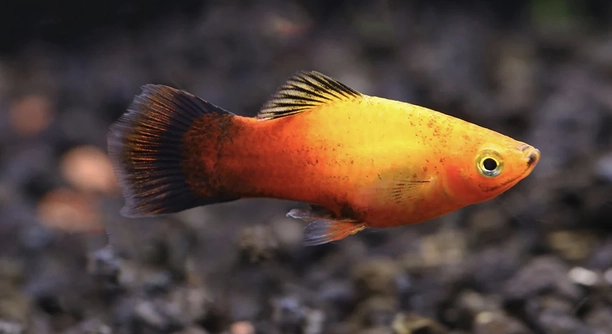
Platies are popular freshwater fish often found in home aquariums. Observing their behavior can help ensure they stay healthy and comfortable in their environment. One common sight is seeing platies gather at the tank bottom.
Platies gather at the tank bottom mainly for resting, feeding, or seeking cooler temperatures. They may also feel safer near the substrate or be attracted to food particles settling there. This behavior is normal and indicates their interaction with the tank environment.
Understanding why platies prefer the bottom can improve how you care for them and enhance their tank setup. This insight helps create a better habitat suited to their natural habits.
Reasons Platies Spend Time at the Tank Bottom
Platies often gather near the bottom of the tank to rest and feel secure. The lower part of the aquarium provides a calmer environment with less water movement, which helps them conserve energy. Additionally, many platies search for leftover food that sinks to the bottom. This behavior is natural, as their diet includes particles that settle on the substrate. Temperature also plays a role—water near the bottom can be cooler, especially if the tank’s surface warms up during the day. Some platies prefer these cooler areas to regulate their body temperature. Stress or illness can sometimes cause platies to stay low, but in healthy tanks, it usually relates to comfort or feeding habits. Watching them can help you understand their needs and spot any signs of trouble early.
This behavior is generally normal and part of their natural routine. Observing it helps ensure the tank environment suits their needs.
Knowing why platies gather at the bottom lets you adjust tank conditions. You can improve substrate type, feeding routines, and water temperature, which helps maintain their well-being.
How Tank Setup Influences Platies’ Behavior
The tank environment greatly affects where platies spend their time.
Tank size, decorations, and water flow shape their movement. Proper setup encourages healthy, natural behavior.
A well-arranged aquarium provides hiding spots, gentle water currents, and clean substrate, all of which influence platies’ comfort. Platies like areas with plants or smooth rocks where they can explore or rest. Strong water flow can push them toward the bottom to avoid stress. Uneven temperatures may cause them to seek cooler or warmer zones near the substrate. Feeding habits also tie into tank setup. Sinking foods or uneaten pellets at the bottom attract platies, encouraging them to spend time there. Regular maintenance to remove debris and adjust conditions prevents stress-related behavior. A balanced tank setup keeps platies active and happy, reducing time spent hiding or resting at the bottom due to discomfort.
Common Signs of Stress in Platies
Stress in platies often shows through changes in behavior or appearance. They may hide more, swim erratically, or lose their usual bright colors. Reduced appetite and gasping near the surface can also be signs of stress.
Stress can result from poor water quality, sudden changes in temperature, or overcrowding. Platies are sensitive to ammonia, nitrites, and nitrates, so regular testing and water changes are important. Tankmates that are aggressive or overly active may cause platies to feel threatened, pushing them to stay at the bottom. Maintaining stable conditions helps reduce stress. Watching for early signs allows you to act quickly and protect your fish’s health.
Proper tank care and a calm environment keep platies relaxed. Avoid sudden changes and provide hiding places so they feel secure. Monitoring behavior regularly helps catch stress before it worsens.
Feeding Habits and Bottom Gathering
Platies often gather at the tank bottom because they look for food that sinks. Many commercial flakes and pellets eventually settle there, making it a natural feeding spot. They also pick at algae or small organisms on the substrate.
Feeding routines affect this behavior. Overfeeding causes excess food to sink, encouraging platies to linger at the bottom longer. Providing balanced portions and feeding multiple times daily helps reduce waste. Live or frozen foods may sink more slowly, distributing feeding activity throughout the tank. Variety in diet supports healthy behavior and energy levels. A clean substrate ensures food particles do not accumulate, preventing water quality issues. Adjusting feeding practices directly influences how much time platies spend at the bottom searching for food.
Tank Cleaning and Its Impact on Platies
Regular tank cleaning helps keep platies comfortable and healthy. Removing debris and uneaten food prevents harmful buildup that can stress fish.
A clean substrate reduces the need for platies to search for food at the bottom and lowers the risk of illness.
Lighting Conditions and Platy Behavior
Lighting affects where platies prefer to swim. Bright lights may push them toward shaded or lower areas. Dimmer lighting or natural light cycles encourage natural activity and reduce stress. Adjusting light intensity helps platies feel safe and promotes balanced movement throughout the tank.
When to Be Concerned
If platies stay at the bottom for long periods while showing signs of distress, it could indicate illness. Prompt attention is necessary to avoid health problems.
Why do platies stay at the bottom of the tank most of the time?
Platies often stay at the tank bottom to rest or feel secure. The bottom usually has less water movement, making it a calm place for them. They also search for leftover food that sinks down. Cooler water near the substrate can be more comfortable, especially during warm days.
Is it normal for platies to hide at the bottom?
Yes, it is normal. Platies hide at the bottom when they want to feel safe or avoid bright lights. Hiding is part of their natural behavior and helps them reduce stress. Providing plants or decorations at the bottom gives them places to retreat.
Could platies staying at the bottom indicate illness?
It could. If platies stay at the bottom and show other signs like clamped fins, loss of appetite, or unusual swimming patterns, they might be sick. Common illnesses include infections or poor water quality. Checking water parameters and observing their health closely is important.
How does water quality affect platy behavior?
Poor water quality can cause platies to become stressed and stay at the bottom. High ammonia, nitrite, or nitrate levels irritate their gills and weaken them. Regular water testing and changes keep the environment safe, helping platies stay active and healthy.
Can tank mates cause platies to gather at the bottom?
Yes, aggressive or overly active tank mates may intimidate platies. This causes them to seek refuge at the bottom where they feel less threatened. Choosing peaceful companions and providing hiding spots reduces this stress and encourages balanced swimming.
What role does temperature play in platies’ tank bottom activity?
Platies prefer temperatures between 72°F and 78°F. If the water near the surface becomes too warm, they may move to cooler areas at the bottom. Temperature fluctuations or poorly heated tanks can cause them to behave unusually or gather low in the tank.
Does feeding schedule affect platy behavior at the tank bottom?
Yes, feeding routines influence their behavior. If food sinks quickly, platies spend more time at the bottom eating. Overfeeding leaves excess food on the substrate, encouraging them to forage longer. Balanced feeding reduces waste and keeps platies more active throughout the tank.
How often should I clean the tank to keep platies comfortable?
Cleaning every one to two weeks is usually enough, depending on tank size and fish load. Removing uneaten food and debris prevents harmful buildup. Frequent partial water changes maintain water quality, reducing stress and keeping platies from hiding or lingering at the bottom unnecessarily.
Can lighting conditions cause platies to stay at the bottom?
Bright or harsh lighting may cause platies to seek shaded or dimmer areas near the tank bottom. Adjusting light intensity and providing plants or decorations creates comfortable zones. Natural light cycles support their natural behavior and reduce stress from excessive brightness.
What kind of substrate is best for platies?
Fine gravel or smooth sand works well because it’s gentle on their fins and allows natural foraging. Rough or sharp substrates can cause injury. A clean substrate also helps prevent bacteria buildup, keeping the tank healthier and platies happier.
Are there any signs that platies are not comfortable in their tank environment?
Signs include staying hidden for long periods, loss of appetite, faded colors, or erratic swimming. These behaviors often indicate stress or discomfort. Monitoring water parameters, tank mates, and overall environment helps identify problems early.
What can I do to encourage platies to swim throughout the tank?
Provide plants, decorations, and open swimming spaces to create varied environments. Keep water conditions stable and avoid overcrowding. Feeding smaller portions more frequently stimulates natural foraging, encouraging platies to move around more and explore.
How important is tank size for platy behavior?
Tank size affects comfort and activity levels. Smaller tanks can feel cramped, causing stress and bottom gathering. A tank of at least 10 gallons for a small group provides enough space for swimming and hiding, promoting healthy, natural behavior.
Can platies live happily if they spend a lot of time at the bottom?
Spending time at the bottom can be normal, but if it becomes excessive, it might indicate issues like stress or poor conditions. Ensuring good water quality, proper temperature, balanced feeding, and peaceful tank mates helps platies thrive and stay active.
What should I do if I notice platies staying at the bottom and acting differently?
Test water quality first and make any needed adjustments. Check for signs of illness and consider consulting a vet or experienced aquarist. Improving tank conditions and observing closely can often resolve the problem before it worsens.
Platies spending time at the bottom of the tank is a common behavior influenced by several factors. It is important to understand that this behavior often reflects their natural habits, such as resting, feeding, or seeking cooler temperatures. The bottom of the tank provides a quieter and safer area for platies compared to the more active water near the surface. Observing their behavior in relation to the tank environment helps identify whether this is normal or a sign of an underlying issue. Regular attention to their activity patterns allows for better care and management of their habitat.
Maintaining the right conditions in the aquarium plays a key role in ensuring platies feel comfortable and healthy. Factors like water quality, temperature, lighting, and tank setup all influence their movement and behavior. Poor water conditions or sudden changes can cause stress, which may lead platies to stay at the bottom more frequently. Overcrowding or aggressive tank mates can also contribute to this behavior by making the fish feel unsafe. Ensuring stable water parameters, appropriate tank size, and peaceful companions helps reduce stress and encourages more natural activity. Regular cleaning and proper feeding routines also prevent the accumulation of debris and uneaten food on the substrate, which can attract platies to the bottom for longer periods.
Watching platies closely and understanding their behavior allows for timely action when needed. If platies consistently stay at the bottom and show signs of distress, it is important to check water parameters and overall tank conditions. Early detection of illness or stress leads to better outcomes and healthier fish. Making adjustments to lighting, tank decorations, feeding habits, and water maintenance can improve their comfort and well-being. Ultimately, creating a balanced and stable environment supports platies’ natural behavior, making it easier to enjoy their presence and keep them thriving in the aquarium.

Hello,
If you enjoy the content that we create, please consider saying a "Thank You!" by leaving a tip.
Every little bit helps us continue crafting quality advice that supports the health, happiness, and well-being of pets around the world, for pets of all shapes, sizes, and species.
We really appreciate the kindness and support that you show us!