
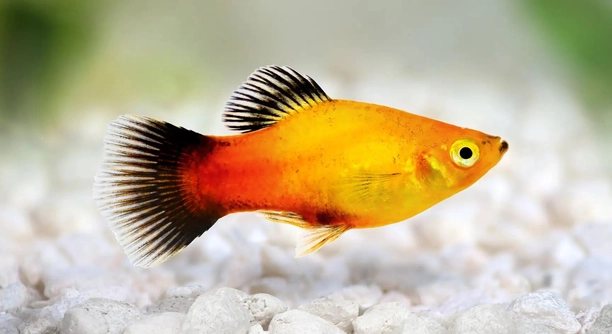
Do you ever notice how small changes in your aquarium can affect the fish inside? Platies, a popular freshwater fish, live in flowing water environments in the wild. Understanding how they react to water movement helps create a better home for them.
Platies are sensitive to changes in water flow and do notice variations. They adapt their swimming behavior and positioning based on flow strength, which impacts their comfort and health. Water flow is an important factor to consider when caring for these fish.
Recognizing how platies respond to water flow can improve their well-being and help maintain a balanced aquarium environment. This article explains the key effects of water movement on these lively fish.
How Platies React to Water Flow Changes
Platies are small, active fish that naturally live in gentle streams with moderate water currents. When water flow changes in their aquarium, they quickly notice. Strong currents can make swimming difficult, causing stress and fatigue. On the other hand, very slow or still water might reduce their activity and cause them to gather near filters or aeration points where water moves more. These fish adjust by changing their swimming patterns, often seeking spots with comfortable flow to rest or feed. Sudden changes in flow can lead to unusual behavior like hiding or darting around. Observing your platies’ reactions can help you identify if the flow in your tank is suitable. Keeping a balanced current mimics their natural habitat and supports their health and behavior.
Platies prefer steady, moderate water flow that does not tire them out or restrict movement.
Managing water flow in your aquarium helps platies swim comfortably and stay healthy. Avoid strong currents by choosing appropriate filters and arranging decorations to break up fast-moving water. Gentle water movement improves oxygen levels and waste removal but must be balanced so it does not overwhelm the fish. By watching how platies behave when the flow changes, you can adjust equipment settings or tank layout to create a calm and stable environment. Small adjustments like adding plants or rocks to slow water currents create safe resting places for platies. This makes their tank more natural and reduces stress. Consistent flow also encourages normal feeding and breeding behaviors. Proper water flow is a simple but important part of successful platy care.
Signs Your Platies Are Affected by Water Flow
Platies showing discomfort from water flow changes may display unusual swimming, hiding, or rapid breathing.
These signs indicate the fish are either struggling against strong currents or avoiding stagnant areas. Stress caused by improper flow can weaken their immune system and lead to illness. Ensuring the flow matches their needs keeps platies active, healthy, and stress-free.
Adjusting Water Flow for Platies
Water flow can be controlled by adjusting filter output or adding flow reducers. Small changes make a big difference for platies.
Filters with strong currents may overwhelm platies, so it’s important to reduce flow using spray bars, diffusers, or sponge filters. Positioning decorations like plants and rocks strategically breaks up fast currents and creates calm areas. You can also direct flow toward tank sides or corners where platies prefer to swim. Experimenting with flow adjustments while watching platy behavior helps find the best setup. Gentle water movement keeps them active but not stressed.
Regularly monitor flow after changes because water flow can shift with cleaning or equipment upgrades. Maintaining steady flow improves platy comfort and tank health. Over time, platies become more confident and display natural behavior, such as exploring and schooling in safe spots. Adjusting flow supports their long-term well-being and enjoyment of their environment.
Effects of Strong Currents on Platies
Strong water currents cause platies to expend extra energy swimming, which can lead to exhaustion.
Constant struggle against flow stresses their bodies and weakens immune defenses, making platies prone to disease. They may hide more or avoid feeding areas if currents are too strong. Strong flow can also damage delicate fins or disrupt breeding behaviors by scattering eggs and fry. For these reasons, managing flow to reduce strong currents is essential. Creating calm zones allows platies to rest and feed without strain, encouraging healthier growth and longevity in your aquarium.
Creating Calm Zones in the Aquarium
Calm zones are essential for platies to rest and feel safe. These areas can be created using plants, rocks, or decorations to block strong currents.
Placing tall plants or driftwood near the filter output helps reduce water speed and offers hiding spots. Calm zones encourage natural behavior and reduce stress in platies.
How Tank Layout Affects Water Flow
Tank layout greatly influences water movement. Open areas allow fast currents, while decorations break and slow flow. A well-planned layout balances both, creating a comfortable environment for platies. Positioning plants and structures strategically guides water flow and provides refuge from strong currents, promoting healthier fish behavior.
Monitoring Water Flow Over Time
Water flow can change due to equipment wear or cleaning. Regular checks ensure consistent conditions for platies. Adjustments may be needed to maintain balanced flow and keep fish comfortable.
FAQ
Do platies prefer fast or slow water flow?
Platies generally prefer slow to moderate water flow. They are native to calm streams and ponds where currents are gentle. Fast-moving water can tire them out and cause stress. Slower flow helps them swim comfortably, feed easily, and reduces the chance of injury. Adjusting your tank’s water movement to a moderate pace supports their natural behavior and health.
How can I reduce water flow in my platy tank?
Reducing water flow is possible by lowering your filter’s output or using flow diffusers like spray bars or sponge filters. You can also rearrange tank decorations to block and break currents, creating calmer spots. Adding live plants or driftwood near the filter outlet softens the flow and provides hiding places for platies.
Will platies stop eating if the water flow is too strong?
Yes, strong water currents can make it difficult for platies to reach food or stay in feeding areas. They may become stressed and eat less. Ensuring moderate flow and calm feeding zones encourages regular eating habits and helps maintain their health.
Can water flow affect platy breeding?
Water flow can influence breeding behavior. Strong currents may scatter eggs or fry and discourage spawning. Calm areas with gentle flow are ideal for breeding. They provide safe spaces for eggs to settle and fry to swim without being swept away.
How often should I check water flow in my aquarium?
It’s good to check water flow regularly, especially after cleaning or changing equipment. Flow can change over time due to filter wear or blockages. Keeping flow consistent prevents stress and promotes a stable environment for platies.
Do platies swim against the current naturally?
Platies may swim against gentle currents as part of normal activity, helping them exercise and explore. However, they avoid strong currents that require too much effort. They often rest in calm areas to conserve energy.
What signs show platies are stressed by water flow?
Signs of stress include frantic swimming, hiding, clamped fins, rapid gill movement, and reduced feeding. Observing these behaviors indicates the water flow might be too strong or inconsistent.
Can I use a strong filter if I create calm zones?
Yes, a strong filter can work if you create calm zones using plants, rocks, or decorations. These zones break the flow and give platies places to rest, helping balance the tank’s overall water movement.
Is it better to have stagnant water or too much flow?
Both extremes can be harmful. Stagnant water reduces oxygen and waste removal, while too much flow stresses platies. Aim for moderate flow that keeps water oxygenated without overwhelming the fish.
How do decorations affect water flow for platies?
Decorations like plants, rocks, and driftwood can slow down water flow by blocking currents. They create areas where platies can rest safely. Well-placed decorations improve flow distribution and tank aesthetics.
Does water flow impact platy health long-term?
Yes, water flow affects oxygen levels, waste removal, and stress. Balanced flow supports healthy gill function, reduces disease risk, and encourages natural behavior. Poor flow conditions can lead to long-term health problems.
Can I use air stones to improve water flow?
Air stones create bubbles that help circulate water and increase oxygen levels. While they add some flow, they usually don’t create strong currents. They are helpful for improving tank circulation without stressing platies.
How can I tell if my platies like the current flow?
If platies swim actively, feed well, and display normal behaviors like schooling or exploring, they likely feel comfortable with the flow. Calm resting in sheltered areas also shows they find safe spots to relax.
Should water flow be adjusted for different platy species?
Different platy species have similar needs and prefer moderate flow. However, some may tolerate slightly faster or slower currents depending on their natural habitats. Observing behavior helps tailor flow to each tank’s specific fish.
Is it necessary to mimic natural water flow exactly?
Exact replication isn’t necessary, but simulating gentle, steady flow similar to natural habitats helps platies thrive. Balanced flow ensures proper oxygenation and comfort without causing stress.
These FAQs cover common concerns about water flow and platy care. Understanding their preferences and behavior helps create a stable, healthy aquarium environment. Adjusting flow thoughtfully benefits both the fish and overall tank maintenance.
Final Thoughts
Platies are small, active fish that respond clearly to changes in their environment, especially water flow. Keeping the water movement balanced is essential for their comfort and health. Too strong a current can tire them out and cause stress, while stagnant water may lead to poor oxygen levels and discomfort. Understanding these needs helps create a better home for your platies, encouraging natural behavior and reducing the risk of illness. By observing how they swim and behave, you can adjust water flow to suit their preferences, making the tank a safer and more enjoyable place for them.
Managing water flow involves more than just adjusting your filter. It includes thoughtful tank design, such as placing plants and decorations to break up strong currents and provide calm zones. These areas allow platies to rest and avoid being swept around the tank. It’s important to regularly check water flow since it can change over time due to equipment use or cleaning. Small changes in flow can have a big impact, so paying attention to your platies’ reactions is a good way to ensure they remain comfortable and healthy. Creating a stable environment with moderate, steady water movement supports their overall well-being and encourages normal activity.
Overall, water flow is a key factor in platy care that should not be overlooked. Maintaining the right flow improves oxygenation, waste removal, and fish comfort, which all contribute to a healthy aquarium. Balancing flow means finding a gentle current that mimics their natural habitats, allowing platies to swim easily without struggle. With careful observation and simple adjustments, you can create an environment that promotes their health and happiness. Paying attention to water flow will help you enjoy your platies for years to come.

Hello,
If you enjoy the content that we create, please consider saying a "Thank You!" by leaving a tip.
Every little bit helps us continue crafting quality advice that supports the health, happiness, and well-being of pets around the world, for pets of all shapes, sizes, and species.
We really appreciate the kindness and support that you show us!