
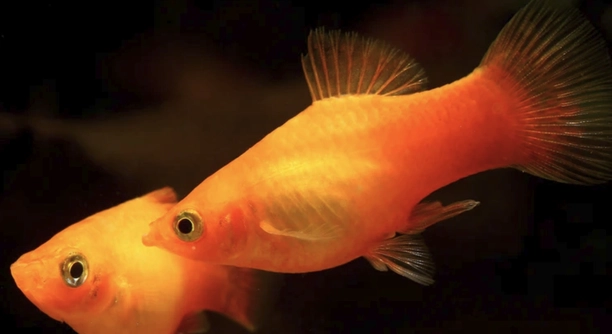
Do your platies seem less colorful than usual, leaving you wondering what might be causing the sudden change in their appearance?
Platies may suddenly lose color due to stress, poor water quality, illness, dietary deficiencies, aging, environmental changes, or incompatible tank mates. Identifying the root cause early helps prevent long-term health issues and restore their natural vibrancy.
Each reason reveals important details about your platies’ well-being, offering insight into how to support their health and maintain their bright colors.
Stress from Sudden Changes in the Tank
Platies are sensitive to changes in their surroundings. If the tank environment shifts too quickly—like a sudden change in water temperature, lighting, or new additions—they can become stressed. This stress often leads to a noticeable loss of color. Even something as simple as rearranging decorations or introducing a new fish can unsettle them. Consistency is key when it comes to tank conditions. Always make gradual adjustments and monitor your fish closely during transitions. When stress is minimized, platies feel safer and more comfortable, which helps them maintain their natural coloring and overall health.
A stressed platy might hide more, stop eating, or show signs of agitation. These changes can appear before or alongside color fading.
To prevent this, aim for stable conditions. Keep lighting regular, avoid loud noises near the tank, and give your platies time to adjust when changes are necessary. Their environment should feel calm and predictable.
Poor Water Quality
Platies need clean water to stay healthy. Dirty water can make them sick or uncomfortable, leading to dull colors. Even slightly high levels of ammonia or nitrites can affect them.
Test the water regularly for pH, ammonia, nitrites, and nitrates. Platies thrive in stable, well-balanced conditions. Use a water conditioner and perform partial water changes weekly to keep the environment clean. Avoid overfeeding, as leftover food can break down and harm water quality. Filter maintenance is also essential—rinsing or replacing it as needed will prevent build-up. If you notice your platies losing color, the first thing to check should always be the water. A clean tank makes a big difference in their appearance. Make sure the tank is not overcrowded, as too many fish can lead to faster waste buildup. Simple habits like these can help keep your platies healthy and colorful for a long time.
Illness or Infection
Color loss in platies can be an early sign of illness. Common diseases like ich, fin rot, or internal parasites often cause their colors to fade before other symptoms appear.
If your platy seems sluggish, avoids food, or has cloudy eyes or torn fins, illness may be the reason. Quarantine any fish showing signs and start treatment promptly with appropriate medication. Clean the tank, check the water parameters, and remove any waste or decaying matter. Some infections spread quickly, so acting fast helps prevent further issues. Maintaining a clean, stable environment with proper filtration and nutrition reduces the chance of illness. Even mild symptoms shouldn’t be ignored, as early attention improves the fish’s chance of recovery. If unsure, consult a vet or reliable aquarium resource to guide treatment.
After recovering from illness, it can take a while for color to return. Keep their environment calm and supportive. Stress during recovery delays improvement. Provide high-quality food and reduce disturbances to help your platy regain full strength. Some discoloration may remain if the fish experienced severe illness, but consistent care can bring back much of their original color over time. Don’t rush the healing process—patience and routine care can make a big difference.
Nutritional Deficiencies
Platies need a balanced diet to stay healthy and colorful. If they’re fed the same food every day or eat low-quality flakes, their color may fade. Variety is essential.
Make sure to feed them a mix of high-quality flakes, freeze-dried foods, and occasional vegetables. Foods rich in carotenoids, like spirulina or brine shrimp, can help boost their color naturally. Too much protein or fat without enough vitamins can also cause fading. Read ingredient labels and rotate their meals a few times a week. Skip overfeeding—it clouds water and affects digestion. Feed in small amounts once or twice daily, and remove uneaten food within minutes. If your platies seem dull, take a closer look at what’s going into their tank. A diet review often reveals simple changes that help bring back their vibrant appearance. Color-enhancing formulas are available and can support long-term brightness when used responsibly.
Aging
As platies grow older, their colors naturally start to fade. This is a slow process and usually not a cause for concern. You may also notice changes in their behavior, like reduced activity or a slower appetite.
Older platies may not display the same bright shades they had when young. Their scales can look duller or more transparent over time. As long as they eat and swim normally, fading color from age is expected.
Environmental Lighting
Lighting affects how platies display color. In low light, their colors can look less vivid, while bright, balanced lighting enhances their appearance. Avoid keeping the tank in a dark corner or using weak bulbs.
Incompatible Tank Mates
Aggressive or overly active fish can stress platies. Constant chasing or bullying leads to fear, hiding, and eventually color loss. Keep tank mates peaceful and well-matched to help your platies stay calm and bright.
FAQ
Can platies regain their color after fading?
Yes, platies can often regain their color if the cause is identified and corrected early. Improving water quality, reducing stress, and offering a balanced diet can help. If color loss was due to temporary stress, recovery is usually quick. However, if fading was caused by age or severe illness, full color may not return. Even then, small improvements are still possible with consistent care. Make gradual changes and give them time to respond. Avoid sudden shifts in lighting, temperature, or tank mates during recovery.
How long does it take for color to return?
The time it takes depends on the cause. After stress or poor water conditions, color may return in a few days to a week. In cases of malnutrition or recovery from illness, it can take several weeks. If you see no improvement after a few weeks of proper care, the issue may be chronic or age-related. Continue monitoring their health and behavior. Consistency in care is key—avoid over-treating or changing too much at once, as this can make recovery harder.
Do platies change color naturally throughout their life?
Yes, some natural changes in color can happen over time, especially as they age or mature. Young platies may develop brighter colors as they grow, while older platies may fade. Genetics also play a role. Some fish carry color genes that develop later or become less intense with age. If the change is gradual and the fish remains active and healthy, it’s likely natural. Keep observing for signs of stress or disease to be sure the change is harmless.
What foods help improve platy color?
Foods rich in carotenoids, such as spirulina, daphnia, and brine shrimp, help enhance color. High-quality flakes or pellets labeled for color enhancement can also support vibrancy when used in rotation. Vegetables like peas or blanched spinach add nutrients that improve overall health. Always avoid overfeeding. A small, varied diet once or twice a day is better than large or repetitive meals. Good nutrition supports both color and immune health. Check the food ingredients to ensure a balance of proteins, vitamins, and color-supporting elements.
Can lighting affect a platy’s color?
Yes, tank lighting has a strong effect on how a platy’s colors appear. Bright, natural-spectrum lighting brings out their best shades, while dim or poorly placed lighting can make them look dull. Too much light, however, can stress them, especially if there are no shaded areas in the tank. Try to create a balance. Use a timer to give them a regular day-night cycle, around 8 to 10 hours of light per day. Avoid placing the tank near windows with strong sunlight, which can also lead to algae growth.
Should I separate a faded platy from the group?
Only separate a platy if you suspect illness or if it’s being bullied. Quarantining a sick fish helps prevent the spread of disease. If the fading is from stress or minor environmental issues, it’s better to improve the whole tank’s conditions rather than isolating one fish. Separation can sometimes increase stress, so use it carefully. If you notice other fish picking on the faded platy, consider rehoming the aggressive ones or adding hiding spaces to reduce tension. Keeping the group peaceful supports everyone’s health and color.
Can breeding affect a platy’s color?
Yes, breeding can cause temporary color changes. During pregnancy, females might look paler, especially around the belly. This often returns to normal after giving birth. Stress from breeding or overcrowding can also affect color. Make sure the tank has enough space and gentle tank mates. Provide extra nutrition to breeding females, as they need more energy during this time. If you’re breeding platies, be prepared to support them with clean water, quiet surroundings, and good food. These steps help both adults and fry grow healthy and colorful.
Final Thoughts
Keeping your platies colorful and healthy is mostly about paying attention to the basics. Clean water, a balanced diet, and a calm tank environment all play a big role. When something changes suddenly—like temperature drops, poor water quality, or the presence of aggressive fish—your platies may react by losing their color. This is their way of showing that something isn’t right. Fortunately, many of these issues can be fixed. Most of the time, your fish will return to their normal appearance once they feel safe and well cared for again.
Color fading doesn’t always mean something is seriously wrong. Sometimes it’s a natural part of life, especially as platies get older. But it can also be an early warning sign of stress or illness. Watching your fish closely helps you notice these small changes before they turn into bigger problems. When you’re unsure, it’s always best to start by checking the water conditions. A good filter, regular water tests, and partial water changes go a long way in keeping your platies comfortable and looking their best.
Making small improvements in food, lighting, and tank mates can also help. If you feed your platies the same flakes every day, try adding variety with color-enhancing foods or occasional treats like brine shrimp. Avoid overcrowding and make sure your tank has quiet spots for fish to rest. These small changes can make a big difference in how your platies feel and look. By keeping their environment steady and calm, you give them the chance to thrive and show off their natural beauty every day. Consistent care is the best way to support both their health and color.

Hello,
If you enjoy the content that we create, please consider saying a "Thank You!" by leaving a tip.
Every little bit helps us continue crafting quality advice that supports the health, happiness, and well-being of pets around the world, for pets of all shapes, sizes, and species.
We really appreciate the kindness and support that you show us!