
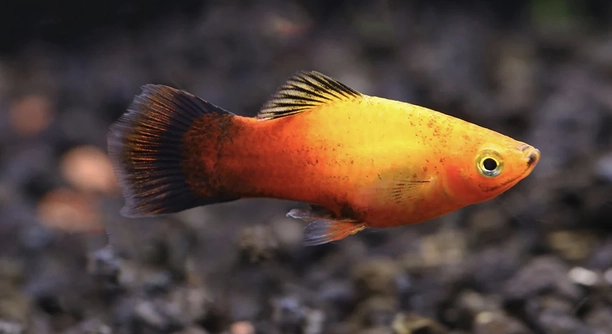
Platies are popular freshwater fish known for their bright colors and peaceful nature. Many aquarium owners enjoy watching them swim actively under different lighting conditions. Proper lighting is often considered important for their well-being and tank appearance.
Platies can experience overstimulation from excessive or improper lighting. Too much light exposure may cause stress, affecting their behavior and health negatively. Balanced lighting that mimics natural conditions helps maintain their comfort and reduces potential harm.
Understanding how light impacts platies can improve their care and environment. This article explains the effects of lighting and offers tips for creating a healthy aquarium setting.
How Light Affects Platies’ Behavior and Health
Lighting plays an important role in how platies behave and stay healthy. In nature, platies experience a natural cycle of daylight and darkness, which helps regulate their activity and rest. When aquarium lights are too bright or stay on for too long, platies can become stressed. Stress may show as hiding more often, less swimming, or even changes in eating habits. Over time, this stress can weaken their immune system, making them more prone to illness. On the other hand, low or balanced lighting helps platies feel secure and more active. It also helps plants and beneficial bacteria in the tank to thrive, creating a better environment overall. Understanding and controlling light exposure in your aquarium can promote healthy behavior and reduce health problems in your platies.
Lighting affects their daily rhythm and mood, making it important to provide consistent, moderate light levels.
Keeping a regular light schedule with about 8 to 12 hours of light per day is best for platies. Using a timer can help maintain this schedule easily. Avoid placing the aquarium in direct sunlight to prevent overheating and excessive brightness. When choosing aquarium lights, aim for those that simulate natural daylight without being too harsh. If you notice your platies acting skittish or hiding, consider adjusting the lighting. Balancing light also supports plant growth, which benefits platies by improving water quality and offering places to hide. Paying attention to lighting is a simple but effective way to support your fish’s overall health and happiness.
Signs of Light Overstimulation in Platies
Platies may show several signs when they are overstimulated by light. These include rapid swimming, hiding, loss of color, or reduced appetite.
Noticing these signs early can help you adjust the lighting before stress causes serious health issues. Overstimulation can also lead to erratic behavior and fatigue, so observing your fish’s daily habits is important. If your platies seem restless or keep trying to escape bright areas, it’s a sign they need a gentler light environment. Adjusting the tank’s light duration or intensity can make a big difference. Sometimes, adding plants or decorations that offer shaded spots helps platies feel safer. Creating a calm and balanced lighting setup not only reduces stress but encourages natural, healthy behaviors in your fish. Keeping an eye on these signals helps ensure your platies stay comfortable and thrive in their home.
Adjusting Light to Prevent Overstimulation
Reducing the intensity and duration of light helps prevent platies from becoming overstimulated. Using a timer ensures consistent light periods that mimic natural day and night cycles.
Dimming the aquarium lights or switching to LED lights with adjustable brightness can make a big difference. Avoiding sudden changes in lighting helps platies adjust calmly. Gradually introducing new light settings over several days reduces stress. Adding floating plants or decorations can create shaded areas, offering fish spots to retreat when needed. These simple changes support a peaceful environment and help keep your platies comfortable and healthy.
Monitoring your platies’ behavior after adjusting the light is important. If they become more active and colorful, it shows they are less stressed. Keeping a consistent lighting schedule prevents overstimulation and supports natural rhythms, promoting overall well-being in your aquarium.
Best Lighting Practices for Platies
Platies thrive best under moderate, consistent lighting. They benefit from about 8 to 12 hours of light daily, followed by darkness for rest.
Using a timer to control light duration helps maintain this routine without guesswork. Lights that mimic natural daylight are preferable because they support both fish and plant health. Avoid placing the tank near windows with direct sunlight to prevent overheating or excessive brightness. A balance between light and dark periods encourages normal activity and rest cycles. Incorporating live plants adds natural shading and improves water quality, enhancing the overall environment. Maintaining these practices creates a comfortable and healthy home for your platies, helping them live longer and more vibrant lives.
Common Lighting Mistakes to Avoid
Leaving aquarium lights on for too long is a frequent mistake that can overstress platies. Overly bright or harsh lighting also causes discomfort and health issues.
Ignoring the natural day-night cycle disrupts fish behavior. Avoid sudden, intense changes in light to keep platies calm and healthy.
How Tank Setup Influences Lighting Needs
The size, decorations, and plants in a tank affect how light spreads and its intensity. A densely planted tank requires less artificial light since plants absorb and diffuse it naturally. Open tanks need more controlled lighting to avoid overstimulation. Reflective surfaces can increase brightness, so positioning the tank carefully matters. Adjusting light based on your specific tank setup helps maintain a balanced environment for platies and supports their well-being.
Signs Your Lighting Needs Adjustment
Changes in platies’ activity, hiding more, or color fading may indicate lighting issues.
Using Timers for Consistency
Timers help maintain steady light schedules, preventing overstimulation and promoting healthy fish behavior.
FAQ
Can platies get stressed from too much light?
Yes, platies can become stressed if exposed to excessive or intense lighting for long periods. Overstimulation from light can cause behavioral changes like hiding, erratic swimming, or loss of appetite. Stress weakens their immune system, making them more prone to illness. It’s important to provide moderate lighting that mimics their natural environment to keep them calm and healthy.
How many hours of light do platies need each day?
Platies generally do best with about 8 to 12 hours of light daily. This range supports their natural activity and rest cycles. Using a timer ensures consistency, helping to maintain a stable environment. Too much light beyond this can cause stress, while too little might affect their behavior and tank plants.
What type of light is best for platies?
Lights that mimic natural daylight are ideal. LED lights with adjustable brightness work well because they provide clear, soft light without overheating the tank. Avoid very bright or harsh lighting. Also, try to prevent direct sunlight on the aquarium, which can cause temperature spikes and excessive brightness.
How can I tell if my platies are overstimulated by light?
Signs include increased hiding, dull or faded colors, reduced appetite, and restlessness or frantic swimming. These behaviors show that the fish are uncomfortable. Watching your platies regularly will help you catch these signs early and adjust the lighting before it harms their health.
Can I use plants to help control lighting effects?
Yes, live plants are very helpful. They provide natural shade, reduce light intensity, and improve water quality. Plants create shaded spots where platies can retreat if the light feels too strong. This helps reduce stress and encourages natural behavior. Including plants is a good way to balance light in the tank.
Is it necessary to use a timer for aquarium lighting?
Using a timer is highly recommended. It helps keep a consistent light schedule that matches natural day and night cycles. This consistency reduces stress caused by irregular lighting and supports healthy fish behavior. A timer also makes daily tank maintenance easier since you don’t have to remember when to switch lights on or off.
What should I do if my platies seem stressed from the current lighting?
First, reduce the amount of time the lights are on each day. Next, lower the light intensity if possible. Adding plants or decorations to create shaded areas can help. Avoid sudden changes—adjust lighting gradually over several days. Observe your fish closely for improvements or continued signs of stress.
Does tank size affect how lighting impacts platies?
Yes, tank size matters. In smaller tanks, light intensity can feel stronger to fish because there’s less space to diffuse the light. Larger tanks allow light to spread more evenly, reducing overstimulation. The layout and amount of decorations or plants also influence light distribution, so consider your whole setup when adjusting lighting.
Can platies adapt to new lighting conditions?
Platies can adapt if changes are introduced slowly. Sudden shifts from dim to very bright light, or long to short lighting periods, can cause stress. Gradually changing the lighting schedule or intensity over several days helps platies adjust comfortably. Monitoring their behavior during this time ensures they’re adapting well.
Are there any benefits to varying the light intensity during the day?
A slight variation that mimics natural sunlight patterns can be beneficial. Gradual increases and decreases in light intensity help simulate sunrise and sunset, supporting natural rhythms in platies. However, drastic or sudden changes may cause stress. Using dimmable LED lights or timers with gradual transitions can help achieve this balance.
Is it okay to turn off the light completely at night?
Yes, complete darkness at night is important. It gives platies a rest period, much like they would experience in nature. Constant light without a dark phase can cause stress and disrupt their natural cycles. Ensuring a clear distinction between day and night supports their health and activity patterns.
What are some common mistakes with aquarium lighting for platies?
Common mistakes include leaving lights on too long, using overly bright or harsh lighting, placing the tank in direct sunlight, and changing lighting schedules suddenly. These can all cause stress or health issues. Maintaining a consistent, moderate lighting routine with gradual changes helps avoid these problems.
How often should I check my lighting setup?
Regular checks every few weeks are a good practice. Look for changes in bulb brightness or color and replace lights as needed. Also, monitor your platies’ behavior and the growth of plants to ensure the lighting remains appropriate. Adjustments might be necessary as the tank matures or seasons change.
Can artificial lighting replace natural light completely for platies?
Yes, good-quality artificial lighting can effectively replace natural sunlight in an aquarium. The key is to use lights designed for fish tanks that provide balanced spectrum and intensity. Proper artificial lighting can support fish health and plant growth when natural light is limited or inconsistent.
What should I do if I notice algae growth increasing?
Excessive algae growth often indicates too much light or poor tank maintenance. Reducing light duration or intensity can help control algae. Also, regular cleaning and water changes improve tank conditions. Balancing light and keeping plants healthy can naturally reduce algae over time.
Finding the right balance of light for platies is important for their health and happiness. Too much light can cause stress, while too little may affect their behavior and tank environment. Keeping the light on for about 8 to 12 hours a day generally works well. Using a timer helps create a consistent schedule that mimics natural day and night cycles, which platies need to stay calm and active. This routine helps reduce stress and supports normal swimming, feeding, and resting patterns. Paying attention to how your fish react to the light gives you clues about whether any adjustments are needed.
Choosing the right type of light also matters. Lights that simulate natural daylight are best for platies because they provide a comfortable level of brightness without overheating the tank. LED lights with adjustable brightness are a good option since you can lower the intensity if needed. Avoid placing your aquarium where it gets direct sunlight, as this can cause sudden changes in brightness and temperature. Including live plants in the tank not only adds beauty but also helps create shaded areas and improves water quality. These plants offer places for platies to hide when they want less light, which can reduce overstimulation.
Overall, maintaining a stable, moderate lighting setup benefits both the fish and the entire tank environment. Watching your platies closely will help you notice any signs of stress or discomfort related to lighting. Changes like hiding more, dull colors, or less activity suggest the need for adjustments. Making small, gradual changes in lighting and providing shaded spots helps platies feel secure and thrive. Creating a comfortable light environment contributes to their long-term health and enjoyment in your aquarium. Taking the time to understand and manage light properly makes a big difference in keeping platies happy and healthy.

Hello,
If you enjoy the content that we create, please consider saying a "Thank You!" by leaving a tip.
Every little bit helps us continue crafting quality advice that supports the health, happiness, and well-being of pets around the world, for pets of all shapes, sizes, and species.
We really appreciate the kindness and support that you show us!