
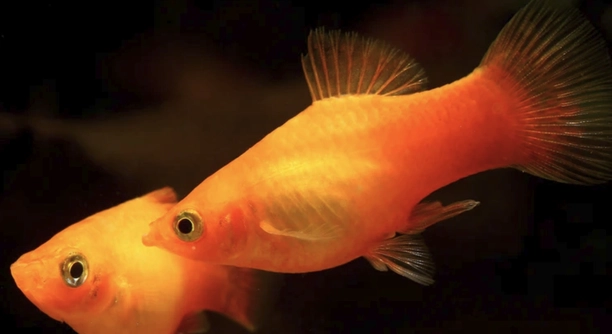
Platies are popular freshwater fish that many people enjoy keeping in home aquariums. These colorful fish thrive in well-planted tanks with plenty of places to hide. Providing hiding spots helps reduce their stress and promotes natural behavior.
Adding more hiding spots for platies is important during times of breeding, illness, tank rearrangement, introduction of new fish, aggression, environmental stress, and overcrowding. These conditions increase stress and vulnerability, making shelters essential for their well-being and safety.
Understanding when to create extra hiding spaces ensures your platies feel secure and comfortable in their environment. This knowledge can improve their health and happiness over time.
When Platies Are Breeding
During breeding, platies become more sensitive and need extra places to hide. Males can be persistent, and females may seek refuge to avoid constant attention. Providing plants, caves, or decorations helps females feel safer and reduces stress. These hiding spots give them time to rest and recover after spawning.
Creating adequate shelters supports healthy breeding behavior. It also protects the fry from being eaten by adults. This environment encourages more successful reproduction and healthier offspring. Keeping the tank well-planted or adding floating plants can offer natural cover without overcrowding the space.
If hiding spots are limited during breeding, females may experience stress that affects their health and reproductive success. Observing their behavior helps to know when to add more shelters. Keeping the tank stable and quiet will also support the breeding process and reduce tension among the fish.
When Introducing New Fish
Introducing new fish can cause tension in the tank. Platies need places to escape or observe without being chased. Adding more hiding spots helps reduce aggression and allows all fish to settle.
When Fish Show Aggression
Aggression among platies can cause stress and injury. More hiding spots help calm the tank by giving fish places to retreat. This reduces chasing and fights, creating a more peaceful environment.
Aggressive behavior often happens when fish compete for territory or mates. When space is limited, dominant fish may chase others relentlessly. Adding caves, plants, or decorations breaks the line of sight, making it harder for aggressive fish to target specific individuals. This helps lower stress levels and prevents harm. Fish can take breaks from confrontations and feel safer.
Providing multiple hiding places spreads out the fish and reduces crowding. It allows weaker or shy platies to escape and regain confidence. Without enough shelters, aggression may increase and cause injuries or illness due to stress. Proper hiding spots are essential for a balanced tank dynamic.
When Platies Are Sick or Recovering
Sick or recovering platies need quiet spaces away from other fish. Hiding spots reduce stress and help them heal faster. These areas offer shelter from activity and reduce the risk of being bullied or chased. Providing gentle cover is important for their well-being.
Stress weakens fish immune systems, so minimizing it during illness supports recovery. Fish that hide are less likely to waste energy on fleeing or fighting. Plants and soft decorations offer gentle protection without overcrowding the tank. Make sure hiding spots are easily accessible but not too tight to cause injury. Keep the water clean and stable to help the healing process. A calm environment with enough shelters improves recovery chances and helps sick platies regain strength more comfortably.
When Rearranging the Tank
Rearranging the tank can confuse and stress platies. Adding more hiding spots helps them adjust to the new layout. These shelters give fish places to retreat while they get used to the changes.
Without enough hiding spots, platies may become anxious and hide less. Extra shelters help maintain their sense of security during transitions.
When Environmental Stress Increases
Changes in water temperature, quality, or lighting can stress platies. Hiding spots provide a refuge where they feel safe and can avoid constant exposure to stressors. These shelters reduce anxiety and help maintain healthy behavior even when conditions fluctuate.
When Overcrowding Happens
Overcrowding raises stress and competition among platies. More hiding spots reduce tension by giving each fish a private space to escape from others. This helps keep peace and lowers the risk of injury or illness caused by stress.
How many hiding spots should I provide for my platies?
A good rule is to have enough hiding spots so that at least half of your platies can hide at the same time. This usually means adding multiple plants, caves, or decorations spread evenly across the tank. The goal is to avoid overcrowding and ensure each fish has easy access to shelter when needed.
If you notice fish constantly chasing or fighting, it might mean you need more hiding places. More shelters help reduce stress and aggression. Keep in mind that the size of the tank also matters—larger tanks require more hiding spots to keep fish comfortable and reduce territorial disputes. Regularly check if your current shelters are enough as your platies grow or if you add new fish.
What are the best types of hiding spots for platies?
Live plants are excellent hiding spots because they provide natural cover and improve water quality. Species like Java fern, Anubias, and Hornwort work well since they grow dense leaves and don’t require intense care. Floating plants also help create shaded areas where platies feel safe.
Besides plants, small caves, ceramic decorations, and PVC pipes offer solid shelter. Make sure these structures have smooth edges and openings large enough for platies to swim through easily. Avoid overcrowding the tank with decorations, as too many objects can reduce swimming space and cause stress.
How often should I rearrange hiding spots in the tank?
Rearranging hiding spots is useful occasionally to keep the tank environment stimulating for your platies. However, avoid doing it too frequently, as constant changes can increase stress. A good approach is to rearrange every few months or when you notice fish avoiding certain areas.
When rearranging, keep some familiar hiding places while introducing new ones gradually. This helps platies adjust without feeling insecure. Watch their behavior after changes—if they hide less or show signs of stress, consider slowing down or returning to the previous layout.
Can hiding spots help with aggressive platies?
Yes, hiding spots are one of the best ways to manage aggression. When dominant fish chase others, shelters give the targeted platies a place to escape. This reduces injuries and helps maintain a peaceful tank.
It’s important to place hiding spots in different parts of the aquarium to break lines of sight between aggressive fish. Providing multiple escape routes encourages weaker or shy fish to come out and feed without constant harassment. Alongside hiding spots, maintaining proper stocking levels and monitoring fish behavior also help reduce aggression.
Do platies use hiding spots differently during the day and night?
Platies tend to use hiding spots more during the daytime to rest and avoid stress, especially if the tank has bright lighting. At night, they are often more active and may explore open areas of the tank. However, some platies prefer to stay hidden when sleeping or if they feel insecure.
Offering a variety of shelters with different levels of light exposure allows platies to choose where they feel safest. Floating plants can create shaded spots that mimic natural conditions, helping platies feel more comfortable during the day.
Is it necessary to clean hiding spots regularly?
Yes, cleaning hiding spots is important to maintain a healthy tank environment. Algae, debris, and waste can build up on plants, caves, or decorations and affect water quality. Clean these areas gently during routine tank maintenance, using aquarium-safe methods.
Avoid harsh scrubbing or chemicals that could harm beneficial bacteria or your fish. Cleaning helps prevent disease and keeps hiding spots attractive and safe for your platies. It also encourages the fish to use them more often.
What if my platies don’t use the hiding spots I provide?
If platies ignore hiding spots, it could be because the shelters are not comfortable or placed in the wrong locations. Try rearranging or adding different types of cover, such as plants instead of hard caves, or vice versa.
Observe your platies’ behavior to see where they prefer to swim or rest. Sometimes, they may avoid hiding spots that are too cramped or in areas with strong water flow. Adjusting the tank layout to meet their preferences can encourage use of shelters and improve their comfort.
How do hiding spots affect tank mates with platies?
Hiding spots benefit all tank mates by reducing stress and territorial disputes. Fish species that share the tank with platies often need their own spaces to retreat. Adding shelters helps maintain harmony among different fish.
Consider the needs of all species when choosing hiding spots. Some fish prefer caves, others plants or open spaces. A mix of hiding options can support diverse behaviors and keep the aquarium peaceful. Ensuring enough cover for everyone helps prevent bullying and promotes natural interactions.
Providing enough hiding spots for platies is an important part of keeping them healthy and comfortable. These fish rely on shelters to feel safe and reduce stress, especially during challenging times like breeding, illness, or when new fish join the tank. When platies have places to hide, they can behave more naturally and avoid unnecessary conflicts. This leads to a more peaceful tank environment and healthier fish overall.
Hiding spots can take many forms, from live plants and floating greenery to caves and smooth decorations. It is important to choose shelters that suit your tank size and your platies’ needs. Spreading hiding places evenly throughout the aquarium helps prevent aggression and gives all fish access to a safe retreat. Regularly checking your tank setup and adding more hiding spots when necessary will improve your platies’ well-being and reduce stress-related problems.
Taking the time to provide proper hiding spots shows care for your fish’s comfort and health. It also creates a more attractive and balanced aquarium that is enjoyable to watch. Even small changes, like adding a few plants or repositioning decorations, can make a big difference. By paying attention to your platies’ behavior and environment, you can ensure they thrive and remain happy in their home.

Hello,
If you enjoy the content that we create, please consider saying a "Thank You!" by leaving a tip.
Every little bit helps us continue crafting quality advice that supports the health, happiness, and well-being of pets around the world, for pets of all shapes, sizes, and species.
We really appreciate the kindness and support that you show us!