
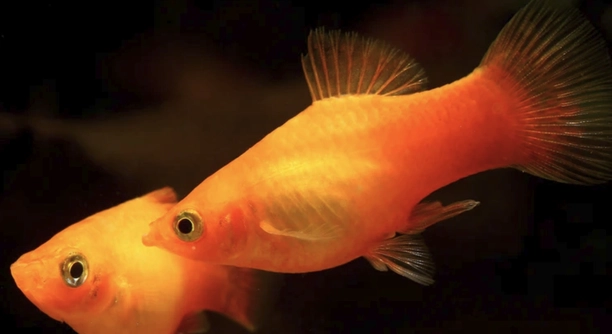
Are your platies suddenly zipping around the tank, acting more restless than usual? This behavior can feel confusing and even a bit alarming for many fish keepers. Let’s take a closer look at what’s going on.
The most common reason your platies are darting around like crazy is stress. This can be caused by sudden changes in water parameters, aggressive tank mates, poor oxygen levels, or an overcrowded environment.
Understanding the root cause of this behavior can help you create a calmer, safer space for your fish and prevent future issues.
What Causes Platies to Dart Around?
Platies are usually calm, active fish, but when they start darting around quickly, it often means something in the tank isn’t right. Sudden movement like this can be a sign of stress, discomfort, or a reaction to something unfamiliar. Common triggers include poor water quality, sudden changes in temperature, and strong currents. Overcrowding, loud noises, or bright lights near the tank can also make platies feel uneasy. Sometimes, they may react this way if new tank mates have been added or if there’s aggressive behavior from other fish. Platies may dart to the surface if oxygen levels drop or if ammonia or nitrite levels rise. It’s important to monitor tank conditions closely and test the water regularly to catch these issues early. Making sure your tank is stable, clean, and peaceful will help reduce the chance of stress behaviors and keep your fish calm and healthy.
Some platies also dart after sudden lighting changes, especially when lights are turned on too quickly.
Maintaining a steady light schedule and using a timer can help avoid this problem. Letting natural light fill the room gradually before turning on the tank light also helps reduce their startle response.
How to Help Calm Your Platies
Start by checking the water parameters with a reliable test kit. High ammonia, nitrite, or nitrate levels can cause stress and erratic swimming.
If test results show problems, act quickly. Do a partial water change, clean any leftover food or waste, and make sure your filter is running properly. Check the heater to confirm that the water temperature is within the safe range of 72–78°F. Avoid sudden changes in temperature, as these can shock your platies. Look at the behavior of other fish in the tank to see if anyone is being too aggressive. Rearranging decorations or adding plants can give your platies hiding spots and reduce tension. Try to keep outside noise and light stable. Loud sounds, tapping on the glass, or sudden bright lights can make fish anxious. Giving them a peaceful environment, balanced diet, and steady care is the best way to help them feel secure and swim calmly again.
Could It Be Illness or Parasites?
Illness can also cause sudden darting. Internal parasites, external irritants, or infections may lead to discomfort, making platies swim erratically. Look for signs like weight loss, clamped fins, flashing against surfaces, or visible spots and patches. These clues can help you decide if treatment is needed.
If you suspect illness, isolate the affected platy in a separate tank if possible. Use a magnifying glass to check for visible parasites like ich (white spots) or anchor worms. Internal parasites may cause bloating or stringy waste. Treating the main tank may be necessary if multiple fish show symptoms. Use appropriate medication, and follow the dosing instructions carefully. Maintain clean water during treatment and monitor behavior daily. Avoid using multiple medications at once unless advised by a vet or expert. A calm environment and proper care can support recovery, but always act fast when signs of illness appear to prevent it from spreading.
Sometimes platies dart due to gill irritation caused by poor water or parasites like flukes. Watch their breathing—if it’s rapid or labored, check ammonia levels first. If water quality is fine, gill parasites may be present. These usually require antiparasitic medication. Early treatment is best, as gill damage can worsen quickly.
Environmental Triggers and Stress Factors
Strong water currents, sudden tank changes, or loud surroundings can make platies anxious. These fish prefer steady conditions and peaceful surroundings. When things shift quickly, they respond with panic-like behavior. Make tank changes slowly and observe how your fish react. Small adjustments help reduce sudden stress responses.
Changing decor, adding fish, or even moving the tank can trigger fast swimming and hiding. Limit large changes to one at a time. Make sure filtration doesn’t create strong currents that push the fish around. Use plants or decorations to break up the flow. Place the tank in a quiet area, away from heavy foot traffic, TVs, or loudspeakers. Keep lights on a timer to reduce sudden brightness changes. Avoid tapping the glass or sudden shadows. If your platies are new to the tank, give them a few days to adjust. A steady routine and a quiet setup will help your fish settle in and feel more secure.
Could Breeding Behavior Be the Reason?
Male platies often chase females during breeding, which can look like darting. This is natural behavior but can become stressful if there are too few females. A ratio of one male to two or three females helps reduce constant chasing.
Adding more hiding spots also helps females rest and avoid constant attention. Use plants, caves, or decorations to give them cover. If chasing continues too often, consider separating them temporarily to give females a break and reduce stress.
How Tank Mates Affect Behavior
Aggressive or fast-swimming tank mates can make platies feel unsafe. Fish that nip fins, chase others, or disturb the tank too much can cause darting and hiding. Choose peaceful tank mates that match your platies’ calm nature. Good options include mollies, guppies, corydoras, and snails. Always research before adding new species.
What If It’s Just Playful Swimming?
Sometimes platies dart around for fun or when they’re excited, especially before feeding. If water and health checks are normal, this may be harmless. Watch for signs of stress or illness to be sure.
FAQ
Why do my platies swim fast all of a sudden?
Sudden fast swimming usually means your platies are stressed. It can be triggered by changes in water temperature, poor water quality, strong currents, or loud noise around the tank. Check for ammonia spikes, new tank mates, or other changes in the environment. Quick darting is often their way of reacting to discomfort or feeling unsafe. If nothing has changed recently, monitor your fish closely for signs of illness or parasites. Sudden movement should not be ignored, especially if it continues for more than a day or two.
Can platies die from stress?
Yes, extreme or ongoing stress can weaken their immune systems and lead to sickness or even death. Platies may not show signs right away, but long-term stress makes them more likely to develop infections, fin rot, or parasitic issues. Causes like bullying, poor water quality, or constant chasing need to be corrected quickly. Even things like a noisy environment or unstable water conditions can have long-term effects. A calm, clean, and steady environment is key to keeping your platies healthy and happy.
How do I check if my water is safe?
Use an aquarium test kit to measure ammonia, nitrite, nitrate, and pH levels. These kits are easy to use and give fast results. Ideal water for platies is 0 ppm ammonia, 0 ppm nitrite, and under 40 ppm nitrate, with a pH between 7.0 and 8.0. Also check the water temperature—platies do best between 72–78°F. If something is off, do a partial water change and check the filter and heater. Testing once a week helps catch problems early and keeps the tank safe.
Could they be playing instead of stressed?
Yes, if your platies are healthy and tank conditions are good, fast swimming could be playful behavior. Some fish get excited before feeding or enjoy chasing each other gently. Watch for other signs—if they have bright colors, open fins, and eat well, they’re likely fine. Playful swimming looks relaxed and doesn’t involve hiding, scratching, or clamped fins. If they return to calm behavior soon after, there’s probably no need to worry. Just continue keeping the tank clean and stable.
Why are my platies rubbing against things?
Rubbing, also called “flashing,” can mean skin or gill irritation. It’s often caused by poor water quality or parasites like ich or flukes. Check ammonia levels first—this is a common cause. If water conditions are good, you may need to treat for parasites using appropriate medication. Watch for white spots, cloudy eyes, or breathing issues. Acting quickly can stop the issue before it spreads to other fish.
Is a strong filter bad for platies?
Yes, if the flow is too strong, it can stress them out. Platies like gentle currents. If they’re always swimming hard to stay in one spot or avoiding certain areas, the flow may be too much. Add plants, decorations, or use a sponge filter to break up the current. This will help create a calmer environment where they can rest and swim easily.
How many platies should I keep together?
Platies are social and do best in small groups. Try to keep at least three to five together. A group helps them feel secure and behave more naturally. If you’re keeping males and females, aim for more females to prevent over-chasing. Too many males can create stress and lead to constant darting.
What size tank is best for platies?
A 10-gallon tank is the minimum, but a 20-gallon tank or larger is better, especially for groups. A bigger tank helps maintain stable water conditions and gives them room to swim comfortably. Overcrowding can lead to stress, poor water quality, and aggressive behavior. More space means healthier fish and fewer issues.
Do platies need hiding spots?
Yes, even though platies are active swimmers, they still benefit from places to hide. Plants, caves, and decorations help them feel safe, especially when they’re stressed or chased. Hiding spots also give females a break from males during breeding. Adding some simple decor can make a big difference in their comfort and reduce darting behavior.
Final Thoughts
Platies are peaceful, active fish that are easy to care for when their environment is stable and clean. If you notice your platies darting around the tank, it usually means something is bothering them. This behavior is often caused by stress, poor water quality, strong currents, or even aggressive tank mates. Sometimes, it’s just part of breeding behavior or playful swimming. The key is to look for patterns and check for other signs like rubbing, clamped fins, or breathing issues. Paying attention to your platies’ behavior helps you catch problems early and keep them healthy.
Taking care of platies means more than just feeding them each day. They need a safe space with stable water temperature, low ammonia levels, and enough room to swim. Placing the tank in a quiet spot and avoiding sudden changes in lighting or tank setup can also help reduce stress. If breeding behavior is causing constant chasing, try adding more females or giving them hiding places. Watching how they interact with each other and with their surroundings will give you good clues about their comfort. Even something as simple as a loud noise near the tank can cause darting, so try to keep their environment calm and predictable.
It’s normal to feel worried when your fish act differently, but small changes often make a big difference. Keep up with regular water changes, test the tank weekly, and make sure filters and heaters are working well. If your platies are still darting after you’ve ruled out all common causes, it might be worth asking an expert at a pet store or aquarium shop. Most of the time, though, the issue is something simple that can be fixed. With the right care and attention, your platies will go back to swimming calmly and enjoying their space. They are lively, colorful fish that bring energy to any aquarium—and with a bit of effort, you can help them stay happy and stress-free.

Hello,
If you enjoy the content that we create, please consider saying a "Thank You!" by leaving a tip.
Every little bit helps us continue crafting quality advice that supports the health, happiness, and well-being of pets around the world, for pets of all shapes, sizes, and species.
We really appreciate the kindness and support that you show us!