
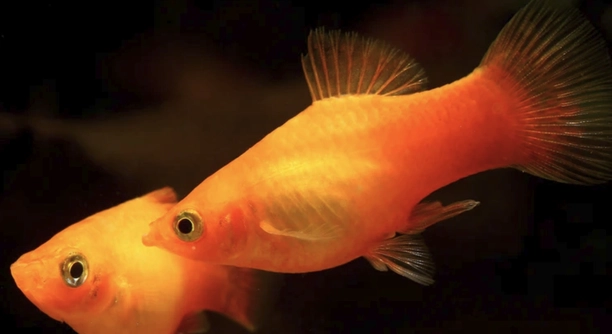
Platy fish are popular pets because they are colorful and easy to care for. Many people enjoy setting up tanks with plants and decorations to create a comfortable environment for their fish. However, some items can harm the delicate balance in a platy tank.
Avoid placing sharp decorations, toxic plants, or poor-quality gravel in a platy tank. These can injure fish, introduce harmful chemicals, or disrupt water quality, which negatively impacts the health and wellbeing of platies in their aquatic habitat.
Knowing what to avoid helps maintain a safe and healthy home for your platies. This article will guide you through common mistakes to prevent in your tank setup.
Sharp Decorations and Rough Surfaces
Sharp decorations or rough surfaces in a platy tank can cause serious injuries. Platies have delicate fins and bodies, which can easily get torn or scratched if they swim too close to these hazards. Even small cuts can lead to infections, which are difficult to treat in fish. It’s best to use smooth rocks, polished stones, or soft plastic plants designed for aquarium use. Avoid items with jagged edges or rough textures, as these increase the risk of harm. Regularly inspect decorations to ensure no sharp edges have developed over time. Choosing the right decorations not only protects your platies but also keeps your tank looking nice and safe.
Sharp objects cause fin damage and stress in platies. Safe, smooth decorations protect their health and prevent costly medical problems.
Keeping the tank safe means avoiding injuries that can weaken your fish and reduce their lifespan. By selecting smooth and safe decorations, you create a peaceful environment that supports healthy swimming and natural behavior. Platies are active swimmers who enjoy exploring their surroundings, so providing gentle surfaces makes a big difference.
Toxic Plants to Avoid
Some plants commonly sold for aquariums release harmful toxins or require care that is unsuitable for platies. Avoid plants like yellow oleander, peace lily, and philodendron, as they can release chemicals that are dangerous if ingested or leach into the water. Instead, choose hardy, non-toxic plants such as Java fern, Anubias, or Amazon sword. These plants not only improve water quality by absorbing nitrates but also offer hiding places, which reduce stress in your fish. Toxic plants may cause illness or even death, so knowing what to include and exclude in your tank is essential for maintaining a healthy environment for your platies.
Platies often nibble on plants, so it is critical to ensure all flora in their tank is safe. Toxic plants can affect water chemistry or poison your fish.
Using the right plants supports your tank’s ecosystem and helps keep platies healthy and active. Non-toxic plants are easier to care for and contribute to stable water parameters. They also encourage natural behavior like grazing and hiding, which improves the overall wellbeing of your fish. Careful plant selection benefits both the tank’s appearance and your platies’ health over time.
Poor-Quality Gravel
Gravel that is too coarse or contains harmful substances can disrupt your platy tank’s balance. Avoid sharp or chemically treated gravel, as these can damage your fish or pollute the water. Opt for smooth, aquarium-safe gravel to keep the tank environment stable and safe.
Coarse gravel can trap waste, making cleaning difficult and leading to harmful bacteria growth. Harmful substances in some gravels may leach toxins, which stress or poison platies. Smooth, inert gravel promotes good water flow and keeps the tank cleaner. It also reduces the risk of injury when platies forage along the bottom. Choosing the right substrate supports healthy water conditions, reducing tank maintenance and protecting fish health.
Good gravel helps maintain water quality and encourages natural behaviors like digging and foraging. It creates a comfortable space where platies can thrive without risk of injury or contamination.
Overcrowding the Tank
Overcrowding increases stress, spreads disease quickly, and lowers water quality in a platy tank. Maintaining an appropriate number of fish for your tank size is critical for their wellbeing and longevity.
Too many fish produce excess waste, overwhelming filtration systems and causing rapid buildup of harmful ammonia and nitrites. This degrades water quality and stresses platies, making them more prone to illness. Overcrowding also leads to competition for food and space, increasing aggression and reducing swimming room. Each platy requires about one gallon of water to thrive comfortably. Monitoring and adjusting your fish population helps maintain a stable environment, prevents overcrowding problems, and ensures all platies remain healthy and active. Regular water tests and partial water changes further support a balanced tank.
Untreated Tap Water
Untreated tap water often contains chlorine and chloramine, which are harmful to platies. Always use a water conditioner before adding tap water to the tank to remove these chemicals and protect your fish.
Chlorine and chloramine damage fish gills and stress platies, making them vulnerable to disease. Treating water ensures a safer environment and helps maintain stable water parameters for healthy fish.
Feeding Human Food
Feeding platies human food can upset their digestive systems and pollute the tank water. Stick to high-quality fish flakes or pellets made specifically for platies to meet their nutritional needs.
Overusing Chemicals
Overusing chemicals like medications or water treatments can harm the beneficial bacteria in your tank. These bacteria help keep the water clean and safe for platies to live in. Use chemicals sparingly and follow instructions carefully to avoid upsetting the tank’s balance.
FAQ
What types of decorations are safe for a platy tank?
Safe decorations are smooth and free of sharp edges. Items made from aquarium-safe plastic, polished stones, or natural driftwood are ideal. Avoid anything with rough or jagged surfaces that can injure your fish. Decorations should be easy to clean and not release harmful substances into the water.
Can I use regular plants from a garden in my platy tank?
No, garden plants often carry pesticides or toxins harmful to fish. Many are not suited for aquatic life and can decay quickly, polluting the water. Always use plants labeled safe for aquariums, such as Java fern, Anubias, or Amazon sword. These plants help improve water quality and provide hiding spaces.
How often should I clean the gravel in my platy tank?
Cleaning the gravel once every two weeks is a good routine. Use a gravel vacuum to remove waste and debris trapped between stones. Avoid deep cleaning that disturbs beneficial bacteria. Keeping the gravel clean helps prevent harmful ammonia buildup and maintains good water quality.
Is tap water safe for platies?
Tap water usually contains chlorine or chloramine, which are toxic to fish. Always treat tap water with a water conditioner before adding it to the tank. This neutralizes harmful chemicals and makes the water safe for platies. Regular water testing helps ensure safe conditions.
What is the ideal number of platies for a 10-gallon tank?
For a 10-gallon tank, keeping about 5 platies is recommended. This gives each fish enough space to swim comfortably and helps maintain water quality. Overcrowding leads to stress, aggression, and poor water conditions. Always consider filtration capacity along with fish numbers.
Can I feed my platies human food occasionally?
Feeding human food is not advised. Many foods contain ingredients harmful to fish or cause water pollution. Stick to high-quality fish flakes, pellets, or frozen foods made for platies. These provide the proper nutrients and keep your tank environment clean.
How do I know if a plant is toxic to platies?
Research is key. Avoid plants known to contain toxins or irritants. Reliable aquarium guides and websites list safe versus toxic plants. If unsure, it’s safer to exclude the plant or replace it with a known safe species. Toxic plants can cause illness or death.
What happens if I overuse chemicals in my tank?
Overusing medications or water treatments can kill beneficial bacteria that maintain water balance. This leads to poor filtration and harmful ammonia buildup. Use chemicals only when necessary and follow dosage instructions carefully. Regular water changes and good tank maintenance reduce the need for chemicals.
Why is overcrowding harmful to platies?
Too many fish produce excess waste, which quickly degrades water quality. Overcrowding causes stress, making fish more vulnerable to disease. It also increases competition for food and space. Keeping a balanced population helps maintain a healthy tank environment.
How can I prevent my platies from getting injured?
Use smooth decorations and avoid sharp objects. Handle fish gently during cleaning or transfers. Maintain clean water to prevent infections from minor cuts. Regularly inspect the tank for hazards and remove anything that could harm your fish. A safe environment reduces stress and injuries.
Final Thoughts
Maintaining a healthy platy tank requires attention to several important factors, especially what items are introduced into their environment. Avoiding sharp decorations, toxic plants, and poor-quality gravel plays a significant role in protecting the wellbeing of your fish. These elements can cause physical harm, affect water quality, or introduce harmful substances. Choosing smooth, safe decorations and non-toxic plants helps create a balanced habitat where platies can swim freely and stay healthy.
Water quality is another key aspect to consider. Using untreated tap water without proper conditioning can expose platies to harmful chemicals like chlorine and chloramine, which stress the fish and damage their gills. It’s important to treat all water before adding it to the tank. Overcrowding should also be avoided since it leads to poor water conditions and increased stress among fish. Maintaining a reasonable fish population according to tank size ensures everyone has enough space and reduces the risk of disease.
Feeding platies the right diet and avoiding human food or overusing chemicals also supports their long-term health. High-quality fish food provides essential nutrients, while unnecessary chemicals can upset the delicate balance of beneficial bacteria in the tank. Keeping up with regular maintenance, such as cleaning the gravel and monitoring water parameters, will help prevent many common problems. By paying attention to these details, you can provide a safe and comfortable environment that allows your platies to thrive.

Hello,
If you enjoy the content that we create, please consider saying a "Thank You!" by leaving a tip.
Every little bit helps us continue crafting quality advice that supports the health, happiness, and well-being of pets around the world, for pets of all shapes, sizes, and species.
We really appreciate the kindness and support that you show us!