
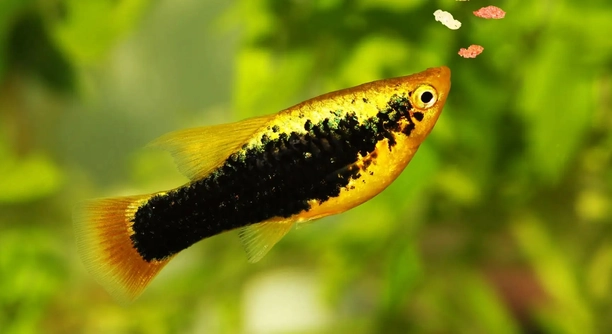
Do you enjoy keeping platies in your aquarium and wonder how they behave with other fish? Many fish owners want to create a peaceful community tank where all species live happily together. Knowing which fish get along with platies can make tank management easier.
Platies generally get along better with peaceful, similarly sized fish that share their temperate water needs. Aggressive or very small fish may cause stress or harm, while compatible companions help maintain a balanced and calm aquarium environment.
Choosing the right tank mates for your platies will help you build a healthier and more enjoyable aquatic community. Understanding these relationships is key to successful fishkeeping.
What Fish Are Good Companions for Platies?
Platies are peaceful fish that do well with other non-aggressive species. They thrive when kept with fish that share similar water temperature and pH requirements. Ideal companions include guppies, mollies, and swordtails, which have comparable temperaments and sizes. These fish usually get along well and avoid territorial disputes. Avoid placing platies with large or aggressive fish like cichlids, as these can stress or harm them. It’s also best to keep platies away from very small fish such as neon tetras, since platies might accidentally outcompete them for food or intimidate them. When choosing tank mates, consider the temperament, size, and water needs to maintain harmony. Observing your fish regularly helps spot any signs of stress or aggression early. Proper tank setup with hiding spots and enough space also supports peaceful coexistence.
Choosing calm fish that swim at similar levels in the tank reduces conflicts and keeps platies comfortable.
Good tank maintenance and regular observation are important to keep all fish healthy and happy.
How Tank Conditions Affect Platies’ Compatibility
Proper tank conditions play a key role in how well platies get along with other fish. Platies prefer water temperatures between 70°F and 78°F and a neutral pH around 7.0. Maintaining stable water parameters reduces stress and aggression among tank inhabitants. Overcrowding is a common issue that can cause tension, so ensure your tank is large enough for all fish to swim freely. Adding plants and decorations creates hiding spots, which help fish feel secure and avoid confrontations. Water quality is also important; frequent water changes prevent the buildup of harmful chemicals that can weaken fish and increase aggression. Feeding your fish a balanced diet and avoiding overfeeding helps keep the tank environment clean. Overall, a well-maintained aquarium encourages peaceful behavior and better compatibility between platies and their tank mates. This creates a calm and balanced aquatic setting where fish thrive together.
Signs That Platies Are Comfortable with Other Fish
When platies are comfortable, they swim calmly and eat well alongside their tank mates. There are no signs of chasing, nipping, or hiding. Their colors remain bright, showing they are not stressed.
If platies show interest in swimming near other fish without aggressive behavior, it’s a good sign of harmony. Peaceful interactions like sharing feeding times and exploring the tank together also indicate comfort. On the other hand, if platies are hiding often or acting skittish, they may feel threatened. Watching their behavior closely helps ensure all fish live well together.
Platies that build social bonds tend to be more active and healthier. When the tank conditions and companions suit them, their natural curiosity shines through. Avoiding overcrowding and aggressive species supports this positive behavior and promotes a peaceful community tank.
How to Introduce New Fish to a Platy Tank
Introducing new fish slowly is key to maintaining peace. Quarantine new fish for at least two weeks to avoid bringing diseases into the tank.
When adding fish, float their bag in the tank for 15-20 minutes to equalize water temperature. Gradually mix small amounts of tank water into the bag to help new fish adjust to the water chemistry. Slowly release them into the tank to reduce shock. After introduction, watch for signs of stress or aggression, separating fish if needed.
Keeping the tank well-planted and having hiding spots helps new and existing fish feel safe. Avoid adding too many fish at once to prevent territorial disputes and stress. Patience during introductions leads to a smoother adjustment for everyone.
Common Fish to Avoid with Platies
Some fish don’t mix well with platies because they are aggressive or much larger. Avoid keeping platies with cichlids or large barbs that may bully or nip at them.
Very small fish like neon tetras can also be poor companions since platies may outcompete them for food or accidentally stress them.
Feeding Habits and Compatibility
Platies are omnivores and eat a variety of foods, including flakes, pellets, and vegetables. Their tank mates should have similar feeding habits to prevent competition. Fish that require very different diets might cause feeding challenges or stress in the tank.
Matching feeding needs helps maintain peace during meal times and keeps all fish healthy.
Tank Setup Tips for Platies
A well-planted tank with hiding spots reduces stress and encourages peaceful behavior among platies and other fish.
Adding smooth decorations and plenty of swimming space also supports harmony.
FAQ
What fish are the best tank mates for platies?
Platies do well with peaceful fish that share similar water needs. Good companions include guppies, mollies, swordtails, and some types of tetras. These fish tend to have calm temperaments and similar size, making them compatible with platies. Avoid aggressive or very small fish to keep harmony.
Can platies live with aggressive fish?
Platies generally do not do well with aggressive fish. Species like cichlids or large barbs may chase or harm platies, causing stress or injury. It’s best to keep platies with other peaceful species to avoid conflict and ensure a calm tank environment.
How many platies should I keep together?
Platies are social fish and do best in groups of at least three to five. Keeping them in small groups helps reduce stress and promotes natural behaviors. Avoid overcrowding by considering tank size and the total number of fish.
Will platies eat smaller fish?
Platies are omnivores but are not known to eat smaller fish regularly. However, they might compete aggressively for food or accidentally harm very tiny fish like fry or neon tetras. It’s safer to keep platies with fish of similar size.
Do platies need hiding spots in the tank?
Yes, hiding spots are important for platies to feel secure. Plants, rocks, and decorations create safe spaces where platies can retreat if they feel threatened. Providing cover reduces stress and helps maintain peaceful interactions.
How should I introduce new fish to a tank with platies?
Introduce new fish slowly. Quarantine new arrivals for two weeks to avoid disease. When ready, float their bag in the tank to match water temperature and slowly mix tank water into their bag. Release them gently and watch for signs of stress or aggression.
Can platies tolerate a wide range of water conditions?
Platies are fairly adaptable but prefer stable water with temperatures between 70°F and 78°F and a neutral pH around 7.0. Sudden changes in water parameters can cause stress. Regular monitoring and maintenance keep platies healthy and calm.
Are platies peaceful towards each other?
Platies are peaceful fish and usually get along well with each other. Minor chasing may happen but rarely causes harm. Keeping an appropriate group size and providing space helps maintain good relations among platies.
Do male and female platies behave differently?
Yes, males are more colorful and may display slight chasing during breeding. Females tend to be larger and less active. Both sexes generally coexist peacefully when there is enough space.
What signs show platies are stressed?
Signs include hiding often, loss of color, lack of appetite, or frantic swimming. Stress can come from poor water quality, aggressive tank mates, or overcrowding. Addressing these issues quickly helps platies recover.
Can platies live with shrimp or snails?
Platies usually coexist well with snails and larger shrimp species. However, tiny shrimp or baby snails might be eaten. If you want to keep invertebrates, choose larger or more robust species to reduce risk.
How important is diet variety for platies?
A varied diet keeps platies healthy and vibrant. Include flakes, pellets, vegetables like spinach or zucchini, and occasional live or frozen foods. A balanced diet improves immunity and behavior.
What should I do if aggression appears in my platy tank?
If aggression happens, check tank size and population. Add hiding spots or rearrange decorations to break territorial lines. Remove overly aggressive fish if necessary. Maintaining good water quality and feeding routines also reduces stress-induced aggression.
Can platies live with goldfish?
Platies and goldfish have different water temperature needs. Goldfish prefer cooler water, while platies need warmer water. Mixing them is not recommended because it can cause health problems for both.
How often should I clean a platy tank?
Regular partial water changes every one to two weeks help maintain water quality. Remove uneaten food and debris during cleaning to keep the environment healthy. A clean tank supports peaceful and healthy fish.
Platies are generally peaceful and easygoing fish that can live happily with a variety of other species. Choosing the right tank mates is important to maintain a calm and balanced aquarium. Fish that share similar water conditions, size, and temperament usually get along well with platies. Avoiding aggressive or much larger fish reduces the chances of stress or injury. When the environment is stable and peaceful, platies tend to show their best colors and natural behaviors. Keeping a well-maintained tank with enough space and hiding spots also supports their comfort and wellbeing.
Introducing new fish to a platy tank requires patience and careful steps. Gradually adjusting new fish to the tank water and providing plenty of hiding places helps reduce stress for everyone. Watching the fish closely during the first few days can alert you to any signs of aggression or discomfort. If conflicts arise, adjusting the tank setup or separating aggressive fish may be needed. Feeding all fish properly and keeping up with regular water changes helps keep the environment healthy and reduces tension. When these factors are managed, platies and their tank mates can thrive together.
Overall, understanding the needs of platies and their companions is key to successful fishkeeping. Paying attention to water quality, fish behavior, and tank conditions creates a space where platies feel safe and content. While platies can live peacefully with many species, choosing compatible fish and making thoughtful introductions ensures a harmonious community. With the right care, your aquarium can be a lively, colorful, and enjoyable place where platies and other fish live happily side by side.

Hello,
If you enjoy the content that we create, please consider saying a "Thank You!" by leaving a tip.
Every little bit helps us continue crafting quality advice that supports the health, happiness, and well-being of pets around the world, for pets of all shapes, sizes, and species.
We really appreciate the kindness and support that you show us!