
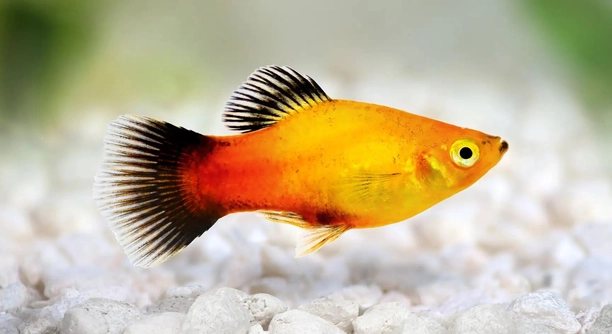
Is your platy constantly digging in the gravel of its tank? This behavior can be surprising to many fish owners and may cause some concern. Understanding why your platy acts this way can help you care for it better.
Platys dig in the gravel mainly to search for food or explore their environment. This natural behavior helps them find leftover bits and keep their habitat interesting. Sometimes, it may also indicate boredom or the need for environmental enrichment.
Learning more about this digging habit can improve your platy’s tank setup and overall well-being. Exploring these reasons will help you create a happier home for your fish.
Why Platys Dig in the Gravel
Platys often dig in the gravel because they are naturally curious fish. They use their mouths to explore the tank bottom, searching for tiny bits of food that have settled there. This behavior helps them stay fed and entertained, especially if there is not enough food floating in the water. Sometimes, digging can also be a way for platys to create small spaces or nests, which feels comforting to them. The gravel provides texture and stimulation, which keeps them active. If their tank environment is dull or too bare, they might dig more often to find something interesting. Watching this behavior can be quite fascinating, as it shows how engaged your platy is with its surroundings. Keeping the tank clean and well-maintained also encourages healthy digging habits, as leftover food particles are more likely to be found in the gravel.
Digging is a natural and common activity for platys, and it usually means they are healthy and exploring their environment.
If your platy is digging a lot, it might be trying to find extra food or simply staying active. Adding plants, hiding spots, or decorations can reduce excessive digging by giving it more things to interact with. Regular feeding with appropriate food also helps, so your fish doesn’t feel the need to search constantly. Observing these habits can help you better understand your platy’s needs.
Signs of Stress or Health Issues
Occasional digging is normal, but excessive digging could signal stress or poor water conditions. Stress can make your platy restless and cause it to dig more than usual. Checking the tank temperature, pH, and cleanliness is important to keep your fish comfortable. If your platy is digging constantly and showing other signs like faded color or sluggish swimming, it may need more attention.
Poor water quality or a lack of hiding spots often causes stress-related digging. Platys thrive in well-filtered water with stable conditions and places to hide. When their environment meets these needs, they are less likely to dig excessively. Keeping up with regular water changes and monitoring tank parameters will improve your platy’s behavior and health.
Providing a calm, stable environment is key. If digging persists despite these efforts, consider consulting a vet to rule out illness. Understanding these signs helps prevent problems and keeps your platy happy.
How to Reduce Gravel Digging
Providing enough food reduces your platy’s need to dig for scraps. Overfeeding, however, should be avoided to keep the tank clean. Feeding small amounts multiple times a day works well.
A balanced feeding schedule helps prevent excessive digging. Platys are omnivores, so a mix of flakes, pellets, and occasional live or frozen food is ideal. Uneaten food can settle into the gravel, encouraging digging behavior. Removing leftover food after feeding keeps the tank cleaner and limits digging. Adjusting the amount and type of food based on your platy’s activity helps maintain their health and reduces gravel disturbance. Feeding your fish properly supports both their well-being and the tank’s environment.
Keeping your platy well-fed and the tank clean helps minimize digging. Also, make sure food reaches all areas of the tank, so your fish doesn’t feel the need to search constantly.
Tank Setup and Environment
A well-decorated tank with plants and hiding spots helps keep platys busy and less focused on digging. They enjoy places to explore and feel safe.
Adding live plants and decorations mimics a natural habitat, which reduces boredom and stress. Gravel choice also matters; smooth gravel is less likely to cause injury during digging. Providing plenty of hiding spots allows your platy to rest without feeling exposed. Creating a varied environment encourages natural behavior without over-digging. If your tank is bare, your platy might dig more to compensate for the lack of stimulation. Changing the layout occasionally can also keep your fish interested. Small caves, driftwood, and aquatic plants are great additions to enrich the tank space.
Your tank setup directly impacts how much your platy digs. A thoughtfully arranged habitat can reduce digging by providing comfort and stimulation.
Gravel Type Matters
Smooth, rounded gravel is safer for platys when they dig. Sharp or rough gravel can injure their mouths or fins. Choosing the right substrate helps protect your fish during their natural digging behavior.
Avoid gravel that is too large or jagged. Smaller, softer gravel encourages natural digging without causing harm or stress to your platy.
When to Be Concerned
If your platy digs constantly and shows signs of illness like lethargy or loss of appetite, it may need attention. Persistent digging paired with other symptoms could indicate poor water quality or health problems. Monitoring behavior closely helps catch issues early.
Cleaning the Gravel
Regular gravel vacuuming keeps the tank clean and reduces leftover food that encourages digging. Cleaning prevents waste buildup that can harm your platy’s environment.
Feeding Frequency
Feeding small amounts more often keeps platys satisfied and reduces their need to dig in search of food. Regular feeding supports healthy behavior.
FAQ
Why does my platy dig more at certain times?
Platies may dig more after feeding or during changes in the tank environment. After feeding, they search for leftover food in the gravel. Environmental changes like new decorations or water changes can make them explore more actively. These are normal behaviors unless digging becomes excessive or frantic.
Is digging harmful to my platy?
Usually, digging is harmless and a natural behavior. However, if the gravel is sharp or your platy digs excessively, it could cause injuries or stress. Using smooth gravel and monitoring how often your fish digs can prevent harm. If you notice wounds or unusual behavior, take action quickly.
Can digging mean my platy is sick?
Digging alone rarely signals illness. But if it comes with other symptoms like loss of appetite, faded color, or sluggishness, it could mean stress or health issues. Poor water quality often leads to strange behaviors, so always check water parameters and consider a vet visit if needed.
How can I stop my platy from digging so much?
To reduce digging, feed your platy the right amount of food and clean the tank regularly to remove leftovers. Adding plants, hiding spots, and decorations gives your fish places to explore other than the gravel. Keep water conditions stable and provide a comfortable environment to lower digging caused by stress or boredom.
Does the type of gravel affect digging behavior?
Yes, the gravel type affects how your platy digs. Smooth, rounded gravel is safer and more comfortable for them. Sharp or large gravel can hurt your fish, causing stress or injuries. Choosing the right substrate helps keep your platy healthy and supports natural digging without risks.
Can stress cause my platy to dig constantly?
Stress is a common reason for excessive digging. Changes in water quality, temperature, or tank mates can upset your fish. Make sure the tank is clean, stable, and has enough hiding spots to reduce stress. Observing your platy’s behavior closely can help you spot stress early and improve its environment.
Should I be worried if my platy digs at night?
Platys may be more active digging at night because it’s a quieter time in the tank. This behavior is usually normal as they search for food or explore. However, if digging disrupts their rest or happens with other worrying signs, it’s worth checking tank conditions or health.
How often should I clean the gravel to help with digging?
Cleaning the gravel once a week or every two weeks is usually enough to keep the tank healthy. Use a gravel vacuum to remove waste and uneaten food, which can encourage digging. Regular cleaning prevents harmful buildup and keeps your platy’s environment comfortable.
Can adding plants reduce my platy’s digging?
Yes, live or artificial plants provide stimulation and hiding spots. They give your platy something else to interact with, reducing boredom and the need to dig. Plants also help improve water quality, making the tank a healthier space for your fish overall.
Is it normal for all platys to dig, or is it just mine?
Digging is a common behavior for most platys because they naturally search for food and explore their surroundings. Your fish is showing normal instincts, though the amount of digging varies between individuals depending on tank setup and feeding habits.
What should I do if digging causes damage to plants or decorations?
If your platy’s digging uproots plants or shifts decorations, consider securing them better or choosing heavier items. Adding more stable hiding places and rearranging the tank layout can help keep everything in place while still allowing natural behavior.
Can feeding more food stop my platy from digging?
Feeding enough food can reduce digging caused by hunger, but overfeeding should be avoided as it harms water quality. Feeding small amounts multiple times a day balances nutrition and limits leftover food that encourages digging in the gravel.
Does tank size affect digging behavior?
Smaller tanks may cause more digging if the fish feels cramped or bored. A larger tank with more hiding spots and decorations provides better stimulation and reduces digging caused by stress or lack of space. Proper tank size supports healthier behavior.
Is digging related to breeding behavior in platys?
Sometimes, digging can be linked to breeding instincts, especially if the female is preparing a spot for fry. This behavior is more common during breeding seasons or when the tank environment encourages reproduction. It’s a natural part of their life cycle.
How can I tell if my platy’s digging is excessive?
Excessive digging means your platy spends most of its time digging, causing damage to the tank or showing stress signs. If digging seems frantic or is paired with changes in appearance or appetite, it’s time to check water quality, tank setup, and health to address the cause.
Final thoughts about your platy’s digging behavior focus on understanding that it is mostly natural and healthy. Platys use digging to explore, find food, and stay active in their tank. This behavior shows that your fish is engaged with its environment. While it can seem strange or worrying at first, digging is usually nothing to fear. It becomes a concern only if it happens too often or is paired with signs of illness or stress. Paying attention to how and when your platy digs will help you decide if any action is needed.
Creating a comfortable environment for your platy reduces unwanted digging. A clean tank with smooth gravel, plenty of plants, and hiding spots gives your fish places to explore and feel safe. Feeding the right amount of food regularly means your platy won’t need to search through the gravel too much. When the tank conditions are stable and healthy, your fish is less likely to dig excessively. Regular water testing and tank maintenance keep the environment balanced and support your platy’s well-being. Small changes to the tank setup or feeding habits can make a big difference in controlling digging behavior.
Remember that every fish is different, and digging habits vary from one platy to another. Some fish dig a lot simply because they are more active or curious. Observing your platy closely helps you understand its normal behavior and when something might be wrong. If digging is paired with changes in appetite, color, or swimming, it is best to check water quality or consult a vet. Overall, digging is a part of what makes your platy an interesting and lively pet. Supporting your fish with a good habitat and proper care will keep it healthy and happy in the long run.

Hello,
If you enjoy the content that we create, please consider saying a "Thank You!" by leaving a tip.
Every little bit helps us continue crafting quality advice that supports the health, happiness, and well-being of pets around the world, for pets of all shapes, sizes, and species.
We really appreciate the kindness and support that you show us!