
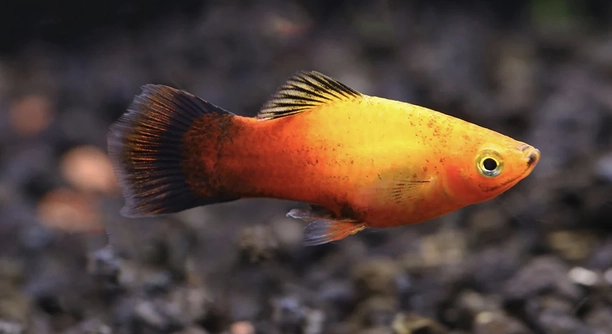
Platies are popular freshwater fish known for their peaceful nature and vibrant colors. Many aquarium owners enjoy watching their playful behavior. Sometimes, these fish gather in unusual spots, like near a heater, catching attention in the tank.
Platies group near the heater primarily because they seek warmer water temperatures. Heaters provide a stable, comfortable environment that helps regulate their metabolism and reduces stress. This behavior is natural as platies prefer consistent warmth to thrive in captivity.
Understanding why platies cluster near the heater can help improve their tank environment and overall well-being. This article explains the reasons behind this behavior and offers practical tips for aquarium care.
Why Platies Prefer Warm Water
Platies are tropical fish that feel most comfortable in warm water. In their natural habitats, they swim in temperatures ranging from about 72 to 78 degrees Fahrenheit. When the tank water cools below this range, platies often seek out warmer areas. The heater in your aquarium creates a small warm zone that feels safe and cozy to them. This helps keep their body functions steady and supports their immune system. If the water is unevenly heated, they will naturally group near the heater to stay in the ideal temperature zone. This behavior is not a sign of illness but a natural response to their environment. Keeping a consistent temperature throughout the tank can reduce clustering, helping your platies spread out and swim freely.
Warm water supports their metabolism, which affects activity and digestion. Cooler water slows these processes, making platies less active and more vulnerable to stress.
Maintaining the right temperature is key to healthy platies. Avoid large temperature swings by using a reliable heater and monitoring with a thermometer. Consistent warmth helps prevent stress-related issues and keeps the fish lively. A well-heated tank encourages normal behavior and reduces the chance of illness. Make sure your heater is properly placed for even heat distribution and check the water regularly. This way, your platies stay happy and active all the time.
How Tank Setup Affects Platy Behavior
A tank with uneven temperature or poor circulation causes platies to gather near the heater.
The placement of the heater and the size of the tank influence how well heat spreads. In larger tanks, warm water might not circulate evenly, causing cold spots where fish avoid. Poor water flow can make warm zones too small, so fish crowd near the heater. Using a filter or air pump helps move water around, spreading heat more evenly. Also, plants and decorations can block water flow and create cooler areas. Adjusting the heater’s position and improving circulation can encourage platies to explore the whole tank instead of clustering. A properly set-up tank with good flow helps create a comfortable environment, reducing stress and promoting natural behavior in your fish.
Signs of Temperature Stress in Platies
When platies are too cold, they may become sluggish and hide more than usual. They might lose some color or stop eating as actively. Clustering near the heater can be a sign they are trying to avoid cold stress.
Cold water slows down their metabolism, making them less active and more vulnerable to illness. If the tank temperature is too low for a prolonged time, platies can develop problems like weakened immune systems or difficulty breathing. Watching for these signs helps you catch temperature issues early. Adjusting the heater and maintaining stable water temperature can prevent stress and keep your fish healthy.
Heat stress is less common but can also cause problems. If the tank becomes too warm, platies may gasp at the surface or swim erratically. Regularly checking temperature keeps your tank comfortable for them.
Tips for Keeping Your Tank Temperature Stable
Using a reliable heater with an adjustable thermostat is essential. It keeps the water temperature steady and prevents big swings.
Place the heater where water flow is strong to spread warmth evenly. Check your thermometer daily to monitor temperature changes. Avoid placing the tank near windows or vents that cause drafts or direct sunlight. These factors can cause temperature fluctuations harmful to platies. Also, performing regular water changes with water at the right temperature helps maintain stability. A stable temperature environment supports platies’ health and behavior, allowing them to thrive and swim freely throughout the tank.
Common Heater Placement Mistakes
Placing the heater too close to one side of the tank can cause uneven heating. This forces platies to cluster only near that warm spot.
Heaters hidden behind decorations or plants may not warm the water effectively. It’s best to keep the heater in a clear area with good water flow for even temperature distribution.
Adjusting Water Flow for Better Heat Distribution
Good water circulation helps spread warm water from the heater throughout the tank. Using a filter or air pump increases water movement, preventing cold spots. Without proper flow, heat stays near the heater, causing platies to crowd there. Improving circulation promotes a comfortable and balanced environment for all fish, encouraging them to explore more evenly.
When to Replace Your Heater
If the heater frequently fails to keep a steady temperature or shows visible damage, it’s time to replace it. A faulty heater can cause temperature swings harmful to platies and other tank inhabitants.
FAQ
Why do my platies always group at the heater?
Platies group at the heater because they prefer warmer, stable water temperatures. The heater creates a comfortable zone that helps regulate their body functions. If your tank has uneven heating or poor water circulation, platies will naturally gather where it feels warmest to avoid cold stress.
Is it harmful if platies stay near the heater all the time?
It’s not immediately harmful, but constant clustering may signal uneven tank temperature or other issues. If platies stay near the heater too long, it could mean other parts of the tank are too cold or uncomfortable. This behavior could lead to stress, which weakens their immune system. Ensuring even heat distribution helps prevent this.
What temperature should my platy tank be?
Platies thrive between 72°F and 78°F (22°C to 26°C). Keeping the water temperature steady in this range supports their metabolism, immune health, and activity level. Temperatures outside this range may cause stress or illness.
How can I keep my tank temperature stable?
Use a reliable heater with an adjustable thermostat and place it where water flows well. Avoid tanks near windows or vents that cause drafts or direct sunlight. Regularly check your thermometer and perform water changes with temperature-matched water to avoid sudden fluctuations.
Can poor water flow cause platies to group near the heater?
Yes, poor water flow makes it harder for heat to spread evenly. Warm water stays near the heater, forcing platies to cluster there. Using a filter or air pump improves circulation and helps heat reach all areas of the tank.
What are signs that my platies are too cold?
Signs include sluggish swimming, hiding, loss of color, and reduced appetite. They may cluster near the heater to find warmth. Prolonged cold stress weakens their immune system and can lead to illness.
Can platies get too warm?
Yes, if the tank temperature rises above 78°F for long periods, platies can become stressed. Symptoms include rapid gill movement, gasping at the surface, or erratic swimming. Avoid overheating by monitoring the heater and tank environment carefully.
How often should I check my tank temperature?
Daily temperature checks are best, especially if your heater or room conditions change. Consistent monitoring helps catch problems early and keeps platies healthy.
What should I do if my heater breaks?
Replace it immediately or use a backup heater if possible. Sudden temperature drops can stress or harm your platies quickly. Keep a spare heater on hand if you can.
Does tank size affect platy behavior near the heater?
Yes, larger tanks are harder to heat evenly. Platies may cluster if warm water does not reach all parts of the tank. Proper heater size and good water circulation are important in bigger tanks.
Can decorations affect heater efficiency?
Yes, large decorations or plants near the heater can block water flow and create cooler spots. This uneven heating causes platies to gather near warmer areas. Arrange tank decorations to allow good circulation.
Is it normal for platies to change behavior when the heater is off?
Yes, without a heater, tank temperature may drop, causing platies to become less active and group for warmth if any warm areas exist. Always keep a heater on in tropical tanks.
Are there specific heater types better for platy tanks?
Submersible heaters with built-in thermostats are reliable and efficient for platy tanks. They maintain stable temperatures and are easy to position for optimal heat distribution. Avoid cheap or unregulated heaters that can cause temperature swings.
How do I introduce a new heater without stressing my platies?
Turn the new heater on outside the tank for a few minutes, then place it in the water and adjust slowly to the desired temperature. Monitor platies closely after installation to ensure they remain comfortable.
What other factors besides temperature cause platies to group?
Platies sometimes group for social reasons, safety, or when stressed by water quality issues. Check parameters like ammonia, nitrites, nitrates, and pH regularly to keep the environment healthy. Temperature is a common factor but not the only one.
Platies are gentle fish that thrive best when their environment is stable and comfortable. One of the key factors that affect their behavior is water temperature. When platies gather near the heater, it usually means they are seeking warmth. This is a natural response because platies come from tropical regions where water temperatures are consistently warm. If the temperature in your tank drops or is uneven, they will naturally move toward the warmer spot near the heater. Understanding this behavior helps you provide better care and create a more balanced environment for your fish.
Maintaining a steady temperature within the recommended range of 72°F to 78°F is important for platies’ health. Using a reliable heater with an adjustable thermostat can help keep the water warm and stable. Proper placement of the heater and good water circulation are also essential to avoid cold spots that cause platies to crowd in one area. Regularly checking the tank temperature and adjusting it when needed prevents stress and illness in your fish. If you notice your platies consistently grouping near the heater, it’s a sign to review your tank setup and make sure the temperature is even throughout the water.
Taking the time to observe and adjust your tank conditions not only helps your platies feel comfortable but also supports their overall well-being. Keeping the temperature steady, improving water flow, and positioning decorations carefully can encourage your fish to explore the whole tank instead of staying near the heater. When platies are comfortable, they will be more active, colorful, and healthy. Paying attention to these details will give your platies the best chance to thrive and bring enjoyment to your aquarium experience.

Hello,
If you enjoy the content that we create, please consider saying a "Thank You!" by leaving a tip.
Every little bit helps us continue crafting quality advice that supports the health, happiness, and well-being of pets around the world, for pets of all shapes, sizes, and species.
We really appreciate the kindness and support that you show us!