
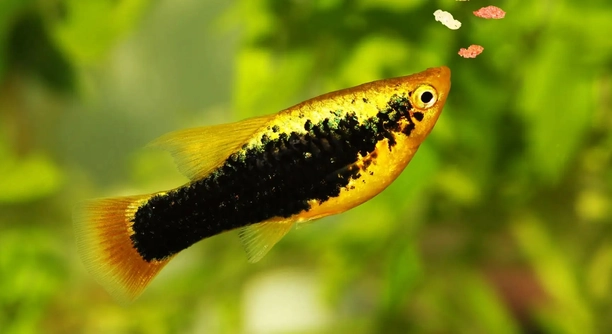
Do your platies get stressed every time you have to move their tank, even just across the room or to a new house?
The best way to keep platies calm during tank moves is by maintaining stable water conditions, minimizing noise and movement, and preparing a safe transport setup. Consistency and care can significantly reduce their stress.
There are several simple ways to help your platies stay relaxed and healthy while adjusting to a temporary change in their environment.
Prepare the New Tank Ahead of Time
Before you even think about moving your platies, make sure the new tank is ready. This means filling it with conditioned water, setting up the filter, and allowing the temperature to match their usual range. If the tank is brand new, cycle it in advance to prevent ammonia spikes. Decorations and plants should be placed securely to give them hiding spots right away. The less disruption they experience upon arrival, the better. Test the water parameters to ensure everything is stable—temperature, pH, ammonia, nitrite, and nitrate levels should all be within safe limits. Adding beneficial bacteria from their current tank can help ease the transition. If possible, place the new tank in a calm location where they won’t be startled by loud noises or sudden movements. A familiar environment goes a long way in helping them settle quickly without signs of stress.
Make sure lighting is soft or dim at first, which helps reduce overstimulation and nervous behavior.
You’ll want everything set up so that when your platies arrive, they can swim into a stable space that feels safe. Sudden changes stress them, so consistency in setup and environment will help ease the switch from one tank to another.
Use a Stress-Free Catching Method
Chasing your platies around the tank can raise their stress quickly. Instead, try using a clear cup or small container to gently guide them in without too much splashing or panic.
Netting tends to cause sudden movements, which may scare your platies. When you use a clear container, they often don’t notice they’re being moved, especially if you go slowly. Turn off the tank light for a few minutes beforehand—it tends to calm them down and make them easier to catch. If you’re using a net, try coaxing them into it without cornering or rushing them. Always have a container with tank water ready to receive them. Don’t overcrowd the holding container—keep them in small groups or solo while transferring. Cover the top gently with a breathable lid to prevent jumping. During the move, keep things quiet and avoid sudden movements. A calm catch-and-transfer process can prevent injuries, reduce shock, and help your platies stay relaxed as they wait to be introduced into their new space.
Keep the Water Parameters Stable
Try to match the water temperature and pH between the current and new tanks. Even small changes can cause stress. Use a thermometer and water test kit to keep everything within your platies’ usual range.
If your platies are moved into water that’s too cold, too warm, or chemically different, they can become lethargic or show signs of stress. Before the move, test both tanks and slowly adjust the new tank’s parameters to match the original. Aim for a temperature around 75–80°F and a pH near 7.0–8.2. Add some of the old tank water into the new tank to help make the transition smoother. It may seem like a small step, but keeping things consistent reduces the risk of shock and illness. It’s also a good idea to avoid large water changes right before or after the move.
Once the move is complete, continue checking the water daily for the next few days. Moving can stir up waste or bacteria, which can shift water chemistry unexpectedly. Keep an eye on ammonia, nitrites, and nitrates. If you see any spikes, do small water changes using treated water. Maintaining clean, stable water will help your platies recover quickly. Watch for signs like clamped fins or hiding—these may mean something is off.
Reduce Noise and Movement
Platies are sensitive to vibrations and quick movements, especially when they’re being moved. Keeping things calm, quiet, and steady around the tank can help them feel safe and stay relaxed throughout the process.
Try not to place the tank near speakers, busy walkways, or places where there’s frequent foot traffic. During the move, carry the tank slowly and avoid sudden jerks. If you’re transporting fish in containers, keep them covered with a towel to block light and reduce visual stress. Noise from dragging furniture, loud voices, or other pets can also affect their behavior. Soft lighting, steady hands, and a quiet room can make a big difference. Once they’re in the new tank, give them time to adjust without any loud disturbances. Watch their behavior—if they’re schooling calmly and exploring, it means they’re starting to settle in.
Avoid Overcrowding During the Move
Move your platies in small groups or individually. Putting too many fish in one container causes stress and reduces oxygen levels quickly, especially if the move takes longer than expected.
Use separate containers if needed, and keep the water level low enough to avoid spills. Secure lids loosely to allow airflow.
Keep Their Environment Familiar
Transfer some decorations, plants, or even filter media from the old tank into the new one. These items carry beneficial bacteria and familiar scents that help platies feel more at home. It’s also comforting for them to see familiar structures after being moved. Even one or two small pieces of décor can make a difference. Avoid rearranging everything right away. Let them adjust to the new space slowly. If you use artificial plants or caves, place them in similar positions as before. This way, your platies can recognize their usual hiding spots and navigate the tank with less confusion.
Limit Feeding Right Before and After
Avoid feeding your platies 24 hours before the move and for a few hours after. It helps keep the water clean and reduces waste during transport.
How long can platies stay in a transport container?
Platies can usually stay in a transport container safely for up to 4–6 hours if the water is kept clean and oxygenated. Beyond this time, the water quality starts to degrade, and oxygen levels drop, which can stress or harm the fish. To help keep oxygen levels up, avoid overcrowding and use a container with enough surface area exposed to air. If the move will take longer, consider using battery-operated air pumps or taking breaks to refresh the water carefully. Always avoid feeding platies during transport, as leftover food can pollute the water quickly. For very long transports, transferring the platies in smaller batches with clean water is a better option to reduce stress and health risks.
Can I move platies directly from one tank to another without acclimation?
It’s not ideal to move platies directly from one tank to another without any acclimation. Sudden changes in water temperature, pH, or hardness can shock the fish and cause stress or illness. A brief acclimation period helps platies adjust to new water conditions gradually. The easiest way is to float the transport container in the new tank to match temperatures, then slowly add small amounts of tank water over 15–30 minutes before releasing them. This process helps their bodies adjust to changes without sudden shocks. Even if tanks have similar water, acclimation is a safer approach and improves your platies’ chance of staying healthy after the move.
What signs of stress should I watch for after moving platies?
After moving, watch for signs like rapid gill movement, clamped fins, hiding more than usual, loss of appetite, or erratic swimming. These behaviors often indicate stress or discomfort from the move. Stress weakens their immune system, making them more prone to illness. If you notice these signs, double-check water quality parameters and keep the environment calm and quiet. Partial water changes may help if toxins build up. Also, avoid handling them unnecessarily and give them time to adjust. If symptoms last more than a few days or worsen, consider consulting a vet or experienced aquarist for advice.
Is it okay to use the same water from the old tank during the move?
Using some water from the old tank during transport and in the new tank can be beneficial. It helps keep the water chemistry stable and carries beneficial bacteria that support a healthy environment. Mixing about 20–30% of the original tank water with fresh, treated water in the transport container reduces shock. However, if the old tank water is dirty or has high ammonia, it’s better to use clean, conditioned water to avoid harming your platies. Always test the water beforehand to ensure it’s safe. Keeping some old tank water also helps your platies feel more comfortable with familiar smells.
How can I reduce stress if my platies seem scared after moving?
If your platies seem scared, provide plenty of hiding places like plants and decorations. Dim the lighting and keep the room quiet. Sudden loud noises or bright lights can worsen stress. Avoid feeding for a few hours to prevent water pollution. You can also add aquarium-safe stress reducers or water conditioners designed to calm fish. Slowly increase interaction with the tank, allowing your platies to explore when they feel ready. Sometimes, just giving them space and time to adjust works best. Keeping the tank stable with consistent water parameters will help them regain normal behavior faster.
Should I change the filter or clean it during the move?
It’s best not to clean or replace the filter media right before or immediately after moving your platies. The filter media contains beneficial bacteria essential for breaking down harmful waste. Removing or cleaning it too thoroughly can cause ammonia and nitrite spikes, which stress your fish. If you need to clean the filter, rinse it gently in tank water to preserve bacteria. During the move, keep the filter running if possible to maintain water quality. In a new tank, introduce the filter media from the old tank to jump-start the biological cycle. This helps keep your platies safe and comfortable through the transition.
Moving platies from one tank to another can be a stressful experience for both the fish and the keeper. The key to a smooth transition is preparation and careful handling. By setting up the new tank ahead of time with stable water conditions and familiar decorations, you create a safer environment that helps your platies feel at ease. Matching temperature and water chemistry between tanks reduces the risk of shock. Small details, like using some water from the old tank or keeping lighting soft, add to their comfort. These steps may seem small, but they have a big impact on your fish’s health and behavior.
During the move, how you catch and transport your platies matters a lot. Using gentle methods that avoid chasing or sudden movements helps reduce their stress. Moving them in small groups and avoiding overcrowding also keeps oxygen levels sufficient and prevents injury. It’s important to keep the environment quiet and calm while transporting the fish, covering containers to limit exposure to light and noise. After placing your platies into the new tank, give them time to settle in. Avoid feeding right away and watch for any signs of stress or illness. Consistent water testing and small water changes after the move keep their home healthy and support recovery.
Overall, keeping platies calm during tank moves is about reducing surprises and maintaining stability. Fish react to changes in their environment, so the more you can keep things familiar and consistent, the better. Taking these steps shows care and helps your platies stay healthy through what can otherwise be a difficult experience. With patience and attention, tank moves don’t have to be stressful for your fish. They can adjust well and continue to thrive in their new home.

Hello,
If you enjoy the content that we create, please consider saying a "Thank You!" by leaving a tip.
Every little bit helps us continue crafting quality advice that supports the health, happiness, and well-being of pets around the world, for pets of all shapes, sizes, and species.
We really appreciate the kindness and support that you show us!