
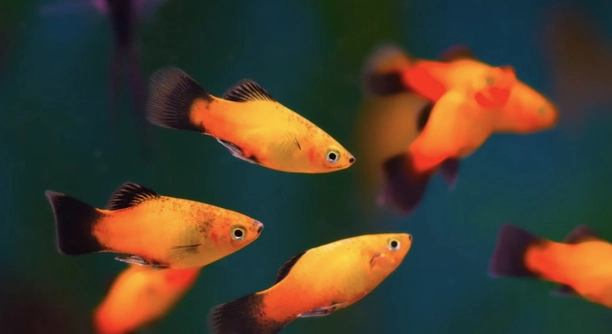
Have you ever changed your aquarium setup and noticed your platies acting a little different? Small shifts in their environment can bring about unexpected reactions, even with something as simple as new gravel or sand.
Platies can notice a change in substrate, especially if it alters the color, texture, or overall feel of their environment. These changes may affect their behavior temporarily, but most platies adapt quickly with little long-term impact.
From choosing the right substrate to understanding how platies respond, this article will help you make smoother changes in your aquarium setup.
Why Platies React to Substrate Changes
Platies are naturally curious and sensitive to changes in their environment. When the substrate is altered, whether it’s the color, texture, or material, platies may take time to adjust. A switch from dark gravel to light sand, for example, can cause them to behave differently at first. This happens because the change impacts the lighting and contrast in their tank, which can make them feel exposed. The texture may also affect how they forage or swim near the bottom. Some platies might hide more, swim differently, or seem cautious during the first few days after the switch. These reactions are usually temporary. Most platies adapt well once they recognize that their environment remains safe and predictable. Giving them hiding spots and keeping other tank elements consistent helps reduce stress. Watching them slowly return to normal behavior can be a reassuring sign that they’re feeling secure again.
Substrate changes can affect how your platies behave, especially right after the switch. They may hide or seem uneasy at first.
Some platies may even refuse to explore the bottom if the texture feels unfamiliar to them. Others might swim more or stay hidden until they feel safe.
How to Help Platies Adjust
Keep decorations and plants in the same place when changing the substrate. This helps your platies recognize their surroundings and reduces stress. Make changes gradually if possible.
When planning a substrate change, try to disturb their environment as little as you can. If you need to replace the entire substrate, consider doing it in sections over a few days. This allows beneficial bacteria to stay intact and keeps the water more stable. Avoid removing all hiding spots at once—this makes your platies feel exposed. Use your hand or a net gently when moving them if needed. After the change, monitor your platies closely. If they hide more or stop eating, keep the lights dim and add extra cover. Give them time. In most cases, platies begin to explore again once they feel secure. Feeding them at regular times also helps restore routine. Substrate changes don’t need to be stressful if done with care and patience.
Choosing the Right Substrate for Platies
Smooth, fine substrates are best for platies. Sand or rounded gravel work well because they won’t hurt their fins or mouths. Avoid sharp or large gravel pieces, as these can cause stress or injury while foraging.
Sand is a popular option because it closely mimics the natural environments many platies come from. It allows them to sift through it safely, looking for bits of food. If you prefer gravel, choose small, smooth types that won’t trap debris easily. Lighter substrates can make platies more cautious at first, as they tend to feel safer in darker surroundings. However, they usually adjust over time. Keep in mind that the color of the substrate can affect how vibrant your platies appear. Some owners notice their fish display stronger colors when the substrate contrasts well with their bodies. Always rinse new substrate thoroughly before adding it to avoid cloudiness and unwanted particles.
Live plants grow better in nutrient-rich substrates, which can also benefit platies by offering natural cover and improving water quality. Plant-friendly substrate blends are often soft and safe, though they may cost more than basic sand or gravel. Adding a thin layer of plant substrate under sand is a simple way to support plant growth without changing the tank’s look too much.
Cleaning and Maintenance Tips
Use a gravel vacuum weekly to clean debris without disturbing the platies too much. Focus on areas with leftover food or plant matter to keep the tank cleaner.
Dirty substrates can cause water quality issues, which may lead to stress or illness in platies. If using sand, gently hover the vacuum over it without sucking up too much. For gravel, move the vacuum through each section slowly. Try not to clean the entire tank floor all at once—this helps protect beneficial bacteria. Clean just a third or half at a time during water changes. You’ll also want to watch for signs of trapped waste or cloudy water. Platies are sensitive to poor water conditions, so consistent cleaning is key. Spot-clean any problem areas in between full cleanings. This light approach helps your fish feel more secure and keeps the tank balanced overall.
Substrate Color and Light Sensitivity
Light-colored substrates can make platies feel more exposed, especially in tanks with strong lighting. They may hide more or stick to shaded spots until they adjust.
Darker substrates often create a more calming environment. They also help bring out the natural colors in platies, making them appear more vibrant.
When to Avoid Changing Substrate
Avoid changing the substrate if your platies are already stressed, sick, or recently introduced to the tank. It’s best to wait until they’re stable and showing normal behavior. Sudden changes during stressful periods can slow recovery or lead to further issues. Also, avoid major changes during breeding, as platies can become sensitive to environmental shifts during this time. If the current substrate is functional and not causing problems, it may be better to leave it in place. A stable environment is often more important than visual preferences. Always weigh the benefits against the risks before making changes.
Final Thoughts on Substrate Impact
Small changes in substrate can affect how platies act, but with the right approach, they usually adjust well over time.
FAQ
Do platies get stressed when the substrate changes?
Yes, platies can show signs of stress when the substrate changes, especially if it’s sudden or the new substrate is very different from what they’re used to. They might hide more, eat less, or act nervous for a few days. This is normal and usually temporary. Keeping decorations and plants in the same spots helps them feel secure. Also, avoid changing other parts of the tank at the same time. Let them adjust slowly and give them extra cover during the transition. Most platies settle back into normal behavior once they feel safe again.
Can I switch from gravel to sand in one day?
You can switch in one day, but it’s better to do it in sections over a few days if possible. Removing all the gravel at once may stir up debris and stress your platies. Doing the change slowly also helps keep the beneficial bacteria in the tank stable. If you must switch in one day, use pre-rinsed sand and try to preserve some of the old gravel in mesh bags temporarily to help maintain the bacteria. Watch your fish closely after the change to make sure they’re adjusting well.
What color substrate makes platies look their best?
Darker substrates usually bring out the brighter colors in platies, especially reds, oranges, and blues. Light-colored gravel or sand can make them look washed out at first, and they might not feel as comfortable. That said, platies often adapt over time and regain their vibrant appearance. The lighting in your tank also plays a role in how their colors appear. Some owners prefer a neutral brown or dark gray substrate to balance the look without being too harsh or too light.
Do platies eat food from the bottom of the tank?
Yes, platies will pick at food that settles on the substrate. That’s why it’s important to use a smooth and safe substrate. Sharp or jagged gravel can injure their mouths. With sand or fine gravel, they can safely nibble at the bottom without any harm. Overfeeding should be avoided since leftover food can build up in the substrate and cause water quality issues. Try to feed small amounts at a time and clean up any excess using a gravel vacuum during water changes.
Is it safe to mix substrate types?
It can be safe to mix certain substrates, but you need to be careful. Some combinations may not work well together, especially if one type is much heavier or finer than the other. For example, mixing fine sand with larger gravel often results in the sand settling underneath, making cleaning more difficult. However, layering plant substrate under a thin layer of sand can be effective and safe for platies. Just be sure that the top layer stays soft and easy for them to move around on.
How do I clean the substrate without disturbing the platies?
Move slowly and clean one section at a time. Use a gravel vacuum to remove debris while avoiding sudden movements. Try to leave hiding spots and plants in place during cleaning to give your platies a sense of security. For sand, gently hover the siphon above the surface to suck up waste without removing too much sand. For gravel, move the vacuum through it carefully, lifting small areas without stirring the whole tank. Doing partial cleanings during water changes keeps the tank clean while minimizing stress.
Will my platies stop eating if the substrate changes?
Some platies may eat less for a day or two after a big change. It’s a natural response to feeling uncertain in their new environment. As long as they’re swimming normally and not showing other signs of illness, they will usually start eating again soon. Keeping feeding times consistent helps. Try offering their favorite foods in small amounts and remove anything uneaten after a few minutes. Give them time and space to settle, and their appetite should return once they feel secure.
Should I quarantine platies before changing their substrate?
There’s no need to quarantine healthy platies for a substrate change unless they’re already sick or under treatment. In that case, it’s better to wait until they recover before making any changes to the tank. If you’re adding new platies at the same time as a substrate change, it’s best to do one thing at a time. Let the new fish settle first, then wait a couple of weeks before changing the substrate. This helps avoid too much stress at once and gives you time to monitor their behavior.
Final Thoughts
Changing the substrate in a platy tank might seem like a small decision, but it can have noticeable effects on how your fish behave. Platies are active and curious, and even simple changes to their surroundings can make them act differently for a little while. Some may hide, explore less, or seem more cautious after a change. These reactions are often short-term. Once they feel secure again, most platies return to their normal habits. Keeping other parts of the tank the same—like decorations and plants—can help make the switch feel less dramatic. It’s important to give them time and avoid changing too many things at once.
The type of substrate you choose matters. Fine sand or smooth gravel is safest for platies because it’s gentle on their fins and mouths. Color can also affect their behavior and appearance. Darker substrates often help platies feel more comfortable and can bring out their natural colors better. Lighter options may work just as well, but platies might take a little longer to adjust. If you’re using live plants, the right substrate can also help with plant growth, making the tank healthier overall. When you make your choice, think about how it affects your platies as well as the tank’s look and function.
Maintenance also plays a role in keeping platies happy and healthy. Regular cleaning keeps the water clear and removes food and waste from the substrate. Dirty or neglected substrate can lead to poor water conditions, which may stress your platies over time. Using a gentle, slow approach during cleaning helps keep them calm and avoids disturbing helpful bacteria in the tank. Watching your platies closely after any change can help you catch small issues before they grow. In the end, choosing and maintaining the right substrate is one of many steps you can take to support your platies’ comfort and well-being. Small adjustments, done with care, go a long way in keeping your aquarium balanced and your fish at ease.

Hello,
If you enjoy the content that we create, please consider saying a "Thank You!" by leaving a tip.
Every little bit helps us continue crafting quality advice that supports the health, happiness, and well-being of pets around the world, for pets of all shapes, sizes, and species.
We really appreciate the kindness and support that you show us!