
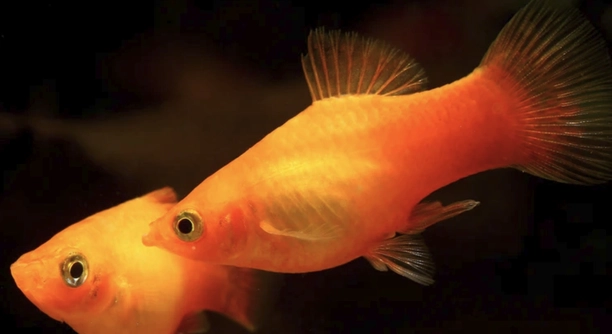
Do your platies often seem to stick close to the plants, rarely venturing into the open areas of your aquarium?
The most common reason your platies hang around plants is for security. Plants provide shelter, reduce stress, and help your fish feel safe by mimicking their natural habitat.
Understanding this behavior can help you improve their environment and ensure they feel comfortable, healthy, and well-adjusted in their tank.
Why Platies Feel Safer Around Plants
In most aquariums, plants give platies a place to feel safe. These fish are peaceful by nature and can get nervous if there’s too much open space. Plants offer hiding spots and help them avoid things that might scare them, like sudden movement or bright lights. If the tank has other fish, even calm ones, your platies may use plants to avoid confrontation or rest without being disturbed. Also, plants help break up the view, so they don’t feel as exposed. Live plants can also improve water quality, which adds to their comfort. When they feel secure, they’ll swim more confidently. But if they’re spending most of their time hidden, it could mean they’re stressed or something about the tank doesn’t feel right to them. Watching how they behave can help you notice small changes before they become bigger problems. Plants are more than just decorations—they can shape your platy’s behavior.
If your platies are new to the tank, they may be adjusting to their surroundings and using the plants for comfort.
Stress from tank mates, water conditions, or noise can cause platies to hide more. Making the environment calm and balanced helps reduce this behavior.
When Hiding Becomes a Concern
If your platies only come out to eat and rush back to the plants, they might be feeling more than just shy. This could be caused by aggressive tank mates, poor water quality, or even changes in lighting or temperature. Platies are usually social, so when they start acting differently, it’s worth taking a closer look. Make sure the water parameters are in the right range, and check that the tank isn’t too bright or noisy. Try to keep their environment stable and free from sudden changes. If other fish are bullying them, consider separating them or adding more hiding spots to spread out the space. Giving them a calm, steady environment makes it easier for them to come out of hiding. Sometimes even the smallest changes can make a big difference in how secure they feel.
Long-term hiding behavior can affect their health and lead to poor eating habits or stunted growth.
How Tank Setup Affects Their Behavior
Tank layout plays a big role in how secure your platies feel. A tank with too much open space can make them feel exposed and anxious, especially if there’s bright lighting or few hiding spots.
Adding more plants, both tall and short, gives them layers to move through and hide in. Platies like to swim freely but also appreciate having places to retreat when they feel unsure. Driftwood, rocks, or caves can also add helpful cover. Avoid placing plants only on one side of the tank—spread them out to create a balanced layout. Make sure there’s enough swimming room in between. A setup that blends hiding areas with open space can help your platies stay relaxed while still being active and visible. If your tank looks empty or too bright, your fish may spend most of their time in the plants to avoid feeling overexposed.
A strong filter current can also cause your platies to hide more. They prefer calmer water, and if the flow is too powerful, they may retreat into the plants where it’s gentler. Try adjusting the filter output or placing plants and decorations in front of it to break up the current. This can make your tank more comfortable overall.
The Role of Light and Noise
Excessive lighting or sudden changes in brightness can stress platies. Soft, steady lighting helps them feel secure. Avoid turning tank lights on and off abruptly, and keep the tank in a spot away from loud sounds or frequent movement.
Platies are sensitive to changes in their environment, including light and noise. If the tank is placed near a window or in a busy area with lots of activity, they may stay hidden more often. Constant loud sounds, like from a TV or speakers, can also bother them. Try moving the tank to a quieter spot and limit sudden movements around it. Use a timer for the lights to maintain a consistent day and night cycle. Providing a calm space makes a big difference in their behavior. When their surroundings are quiet and predictable, they’re more likely to explore and show natural, active patterns instead of hiding.
How Tank Mates Influence Their Comfort
Platies may hide if housed with fish that chase or nip at them. Even mildly aggressive behavior can make them anxious and cause them to stay near the plants for safety.
Choose calm tank mates like tetras, mollies, or corydoras. Avoid fin-nippers or larger fish that might intimidate them.
Signs They’re Feeling Better
When platies feel safe, they swim openly, explore different parts of the tank, and feed regularly. They may still rest near plants but won’t hide constantly. If you notice them schooling together and moving around without hesitation, these are good signs of comfort. Their colors may also look brighter, which shows reduced stress. Watching their daily behavior can help you spot what makes them feel better. After making changes to the tank, it can take a few days for them to adjust. Give them time and avoid making too many changes at once. Slow, steady improvements lead to long-lasting comfort.
Extra Support for Shy Platies
Add floating plants to give them a sense of cover from above. It helps them feel less exposed and more secure overall.
FAQ
Why do my platies hide in the plants most of the time?
Platies naturally seek cover to feel safe, especially if they are new to the tank or if the environment feels stressful. Plants offer shelter and help reduce their anxiety by giving them places to hide from bright lights, strong currents, or other fish. If your platies spend most of their time hiding, it can mean they need more cover or that something in the tank is making them uncomfortable.
Is it normal for platies to hide after introducing new tank mates?
Yes, this is common. Platies can be shy around unfamiliar fish, especially if the new tank mates are more active or larger. It takes time for them to adjust and feel safe. Keep an eye on the behavior of all fish and ensure there is enough space and hiding spots for everyone to avoid stress or aggression.
Can water quality affect my platies’ hiding behavior?
Absolutely. Poor water quality is a major stressor for fish. High levels of ammonia, nitrites, or nitrates can cause discomfort, leading platies to hide more. Regular water testing and maintenance, like water changes and proper filtration, keep the tank healthy and encourage natural behavior.
Should I be worried if my platies never leave the plants?
If your platies stay hidden for long periods and rarely come out, it could indicate stress, illness, or poor tank conditions. Monitor their eating habits and look for signs of disease like faded colors, spots, or abnormal swimming. If problems persist, check water quality and tank setup, and consider consulting a fish expert.
How can I encourage my platies to swim out more often?
Create a balanced environment with plenty of plants and open swimming space. Adjust lighting to a softer level and reduce strong currents. Adding calm, compatible tank mates helps them feel less threatened. Regular feeding times and gentle tank maintenance also build trust and encourage activity.
Do platies prefer live plants over artificial ones?
Live plants offer more benefits. They improve water quality by absorbing nitrates and provide natural hiding spots and food sources like biofilm. However, some platies are comfortable with well-placed artificial plants if live ones are hard to maintain. The key is ensuring the plants create enough cover and feel natural.
Can tank lighting cause platies to hide?
Yes, very bright or sudden lighting changes can stress platies, causing them to seek shelter. Using a timer to maintain consistent light cycles and choosing softer lights reduces stress. Avoid placing the tank in direct sunlight or near strong room lights.
Do platies like company, or do they prefer being alone?
Platies are social fish and usually feel safer in groups. Keeping at least three or more platies together helps reduce stress and encourages natural schooling behavior. A lonely platy might hide more or act stressed.
What tank size is best to reduce hiding?
A tank that is too small limits space and hiding spots, which can increase stress. A minimum of 20 gallons for a small group of platies allows enough room for plants, swimming areas, and proper territory, helping them feel more secure and less prone to hiding.
Is it normal for platies to hide during breeding?
Yes, platies may hide more when breeding or protecting fry. Plants provide a safe place for females and baby fish to avoid being disturbed. If you see your platies spending extra time in plants, it could be related to breeding behavior.
How often should I clean the tank to keep platies comfortable?
Regular cleaning is important but avoid doing everything at once, which can stress fish. A partial water change of about 25% weekly or biweekly helps keep water quality good without disrupting their environment. Cleaning filters and removing debris also supports a healthy tank.
Platies are naturally shy fish that enjoy spending time among plants and decorations in the aquarium. This behavior helps them feel safe and reduces stress. When they hide near plants, it often means they are comfortable with their surroundings or are seeking shelter from things that might scare them. It is important to recognize that plants are not just decoration but serve as a key part of their environment. By providing plenty of plants and hiding spots, you create a space where platies can relax and show their natural behavior. This also helps them stay healthy and active.
A good tank setup makes a big difference in how your platies behave. Balanced lighting, calm water flow, and peaceful tank mates all help reduce stress. If your platies are hiding more than usual, it may be a sign that something in the tank needs adjustment. Checking water quality regularly and making sure the tank is not too bright or crowded can encourage your fish to explore more. Remember that changes take time. Patience is key when helping your platies adjust and feel safe in their home. Sometimes small changes like adding more plants or adjusting the filter flow can lead to big improvements.
Watching your platies’ behavior closely helps you understand their needs better. When they swim openly and show interest in food, it means they are comfortable and healthy. If they keep hiding, it’s a chance to review their environment and make improvements. Every tank is different, so finding the right balance for your fish can take a little trial and error. Keeping their environment calm, stable, and full of hiding places will help your platies thrive. The plants they hide in are part of what makes their tank feel like home.

Hello,
If you enjoy the content that we create, please consider saying a "Thank You!" by leaving a tip.
Every little bit helps us continue crafting quality advice that supports the health, happiness, and well-being of pets around the world, for pets of all shapes, sizes, and species.
We really appreciate the kindness and support that you show us!