
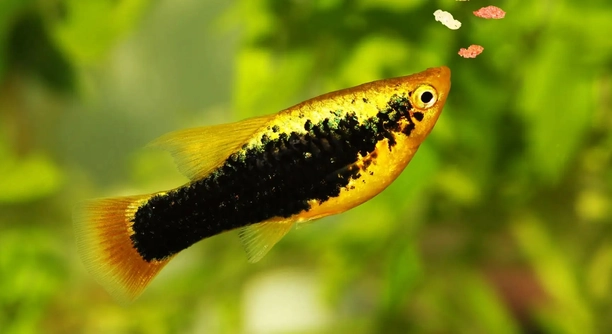
Is your platy swimming away from the new tank mate and avoiding interaction? This change in behavior can be surprising and sometimes worrying for aquarium owners. Understanding the reasons behind this avoidance helps create a better environment for your fish.
Platies may avoid new tank mates due to stress, territorial instincts, or differences in temperament. Introducing new fish disrupts their established social structure, causing fear or cautious behavior as they assess potential threats or unfamiliar companions.
Learning why your platy keeps its distance will help you manage tank introductions more smoothly and support a peaceful community aquarium.
Common Reasons Platies Avoid New Tank Mates
When a new fish enters the tank, platies often respond with caution. Stress is a major factor, as the presence of unfamiliar fish changes their environment. Platies establish territories, and a newcomer may invade these spaces, triggering defensive behavior. Additionally, differences in temperament matter. Some fish are naturally more aggressive or shy, causing platies to keep their distance. Water conditions and tank size also play a role; a crowded or poorly maintained tank increases stress and reduces hiding places. Platies rely on familiar surroundings and stable social groups to feel secure. If these elements change suddenly, avoidance is a common reaction. Observing the specific behaviors and interactions helps identify the exact reason your platy is avoiding the new tank mate.
Understanding these causes can guide better tank management and fish introductions.
Proper tank preparation and gradual introductions help reduce stress and promote harmony among fish.
How to Encourage Harmony Between Platies and New Tank Mates
Slow and careful introductions improve acceptance between platies and new fish. Start by quarantining the new fish to prevent disease. Use a divider in the tank initially, allowing the fish to see but not touch each other. This helps platies adjust to the newcomer’s presence without feeling threatened. Gradually remove the divider after several days, monitoring interactions closely. Providing plenty of hiding spots with plants or decorations gives platies safe spaces to retreat if needed. Feeding fish separately at first can also reduce competition and aggression. It’s important to maintain good water quality and stable conditions throughout. Patience during this process minimizes stress and helps the fish settle into their shared environment peacefully.
Keeping a close watch during the first few weeks ensures any issues are addressed early.
Signs Your Platy Is Adjusting to the New Tank Mate
When platies start to swim closer or interact without signs of stress, it indicates adjustment. You might notice them sharing feeding times or resting near each other. Reduced hiding and more confident swimming patterns also show comfort. It’s normal for some distance to remain, but a balanced tank often features peaceful coexistence. If aggression or avoidance continues beyond a few weeks, it may be necessary to reconsider tank mates or tank setup. Regular observation and small adjustments can support your platy’s well-being. Ensuring they feel safe promotes a healthy, lively aquarium where all fish can thrive together.
Tank Conditions Affecting Platy Behavior
Water quality and tank size directly influence platy comfort. Poor water conditions cause stress, making them avoid others. Overcrowding limits swimming space and hiding spots, increasing tension between fish.
Maintaining clean water with proper filtration keeps platies healthy and calm. Regular testing for ammonia, nitrites, and nitrates prevents harmful buildup. The tank should be spacious enough to allow all fish to establish personal areas without feeling cramped. Adding plants or decorations creates natural barriers and hiding places, helping reduce stress. When tank conditions are stable, platies are more likely to accept new companions and display social behavior.
Adjusting water temperature to the preferred range of 70–78°F is important. Sudden changes can cause discomfort and avoidance. Ensuring proper tank maintenance supports a peaceful environment and encourages platies to interact normally with new tank mates.
Understanding Platy Social Structure
Platies are social fish but have a clear hierarchy within their group. Dominant individuals may chase or ignore others to maintain control. Newcomers disrupt this balance and often become targets of avoidance or mild aggression. Recognizing this helps explain why your platy might seem distant or stressed after new fish arrive.
Establishing territories is natural for platies and helps reduce conflicts. The size and layout of the tank influence how well this hierarchy works. In smaller tanks, competition for space intensifies, making new introductions more difficult. Providing ample space and hiding spots can ease tension during social adjustments.
Platies usually settle into their roles after some time if the environment supports their needs. Patience and careful observation are key to understanding their social interactions and helping them coexist peacefully.
Stress and Its Impact on Platy Behavior
Stress makes platies hide or avoid new tank mates. It can come from sudden changes, poor water, or aggressive fish.
Reducing stress is essential for fish health. Calm environments help platies feel safe and more social with newcomers.
Feeding and Its Role in Fish Interaction
Feeding time can either increase tension or encourage peaceful behavior. Uneven feeding may cause competition, making platies avoid others.
Offering plenty of food in multiple spots reduces fights. Feeding regularly keeps platies calm and promotes positive interactions in the tank.
Observing Early Signs of Acceptance
Platies swimming close or sharing spaces indicates growing comfort. These signs show they are adjusting to new tank mates.
When to Separate Fish
Persistent aggression or stress signs mean it’s time to separate fish. This protects their health and reduces tank tension.
Why is my platy hiding after introducing a new tank mate?
Platies often hide when stressed or unsure about a new fish. Hiding is a natural way to feel safe while they assess their environment. Changes like new tank mates can disrupt their sense of security, causing them to retreat until they feel comfortable again.
How long does it take for platies to accept new tank mates?
Acceptance time varies, but generally, platies begin adjusting within one to two weeks. This depends on factors like tank size, species compatibility, and how introductions are managed. Patience is important, as rushing interactions can increase stress and prolong avoidance behaviors.
Can platies and aggressive fish live together?
Platies are peaceful fish and usually do not thrive with aggressive species. Aggressive tank mates may bully or stress platies, causing them to hide or become sick. It’s best to choose compatible, calm fish to keep a peaceful tank environment.
What tank conditions help platies get along?
Stable water parameters, proper temperature, and enough space reduce stress and territorial disputes. A tank with plants and decorations offers hiding spots, helping platies feel secure. Clean, well-maintained water supports their health and encourages social behavior.
Is it normal for platies to ignore new fish at first?
Yes, platies often keep their distance from new tank mates initially. This cautious behavior allows them to observe and understand if the newcomer poses a threat. Over time, with proper care and conditions, they usually become more social.
Should I separate platies if they keep avoiding new tank mates?
Separation is necessary if avoidance leads to stress, poor health, or aggression. Long-term hiding or constant chasing indicates a problem. Separating the fish protects their well-being and allows you to reintroduce them later under better conditions.
Does tank size affect platy behavior with new fish?
Yes, smaller tanks increase competition and stress. Limited space makes it harder for platies to establish territories and avoid conflict. A spacious tank with plenty of hiding places helps reduce aggression and encourages peaceful coexistence.
How can I reduce stress during fish introductions?
Introduce new fish slowly, using tank dividers at first to allow gradual exposure. Quarantine new arrivals to prevent disease. Maintain excellent water quality and provide multiple hiding spots. Feeding fish separately can also reduce competition during the transition.
Can poor water quality cause my platy to avoid others?
Poor water conditions stress fish and cause unusual behaviors, including avoidance. High ammonia or nitrite levels, incorrect pH, or temperature fluctuations can make platies uncomfortable. Regular water testing and maintenance are crucial for their health and social interaction.
Do platies form bonds with tank mates?
Platies are social but do not form strong bonds like some species. They prefer living in groups and establishing a hierarchy. They may tolerate and sometimes swim near other fish but usually maintain some distance depending on individual temperament.
Platies are peaceful fish that respond strongly to changes in their environment. When a new tank mate is introduced, it is natural for them to show some avoidance or stress. This behavior helps them stay safe as they assess the newcomer and adjust to the new social dynamics. Understanding why your platy avoids the new fish is important. It often relates to stress, territorial instincts, or differences in personality. Keeping the tank environment stable and providing enough space and hiding spots can reduce these tensions. Patience during this adjustment period is key to creating a calm and harmonious aquarium.
Tank conditions play a large role in how platies interact with other fish. Clean water, proper temperature, and a roomy tank help keep stress levels low. Overcrowded tanks or poor water quality make it harder for platies to feel secure, which leads to more hiding or avoidance behaviors. When introducing new tank mates, slow and careful steps work best. Using dividers, quarantining new fish, and offering plenty of hiding places can support smoother social interactions. Feeding the fish properly and watching their behavior closely will help you know when the platies are ready to accept their new companions.
Each fish has its own personality, and some may take longer to adapt than others. It is normal for platies to keep their distance at first. Over time, many will become more comfortable and interact more openly. However, if you notice ongoing aggression or stress, it may be necessary to separate the fish for their well-being. Observing your platies and making small changes to their environment can promote peace and balance. Creating a healthy and stable home is the best way to ensure your platy and its new tank mates live together happily.

Hello,
If you enjoy the content that we create, please consider saying a "Thank You!" by leaving a tip.
Every little bit helps us continue crafting quality advice that supports the health, happiness, and well-being of pets around the world, for pets of all shapes, sizes, and species.
We really appreciate the kindness and support that you show us!