
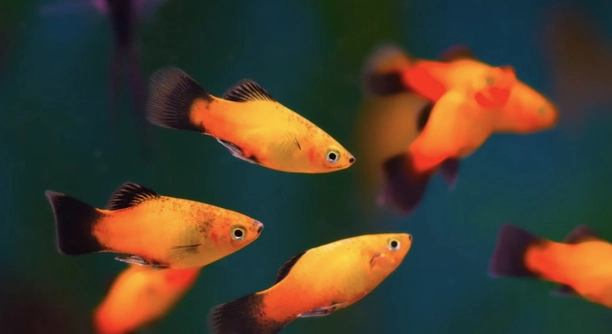
Keeping a mixed platy tank can be rewarding but sometimes challenging due to fish aggression. Aggression can cause stress, injury, and poor health among your aquatic pets. Managing this behavior is key to maintaining a peaceful tank environment.
Reducing aggression in mixed platy tanks involves careful attention to tank size, proper hiding spots, balanced feeding, compatible tank mates, and consistent water quality. These measures help minimize territorial disputes and stress, promoting a healthier community of fish.
This article offers practical tips to create a calm and balanced habitat for your platies. Applying these strategies can improve their well-being and your enjoyment as an aquarist.
Provide Adequate Space and Hiding Spots
Platies need enough room to swim freely and establish their own territories. Overcrowding can increase stress and trigger aggressive behavior. A tank size of at least 20 gallons is recommended for a small group of platies. Including plenty of plants, decorations, and hiding spots helps fish retreat when feeling threatened. Natural plants like Java fern or Anubias create safe areas and reduce direct encounters. Hiding places prevent dominant fish from bullying others constantly. When fish have space to escape or rest, overall aggression tends to decrease. Regularly rearranging tank decorations can also break up established territories and reduce conflicts. Keeping water clean and stable complements these efforts, as unhealthy conditions can worsen stress and aggression.
Providing a spacious environment with adequate hiding spots is essential. It supports the natural behavior of platies and reduces tension in the tank.
Creating a balanced space takes planning but leads to a calmer tank. Observing your fish’s behavior helps determine if they need more cover or room. Adjustments can improve harmony and make your tank more enjoyable to watch.
Choose Compatible Tank Mates
Not all fish get along with platies. Choosing peaceful species that share similar water needs helps prevent fights. Avoid aggressive or territorial fish, which can stress platies and spark conflict. Ideal tank mates include small tetras, Corydoras catfish, and peaceful rasboras. These fish typically swim in different tank levels or mind their own space. Introducing too many different species at once can cause competition and confusion. It’s best to add new tank mates gradually and monitor their interactions closely. Keeping similar-sized fish reduces bullying and improves group dynamics. Compatibility is key to maintaining a stress-free environment where platies can thrive alongside others.
Maintain a Consistent Feeding Schedule
Feeding your platies regularly helps reduce aggression caused by hunger or competition for food. Uneven feeding times or insufficient portions may increase fights among tank mates.
Offering small amounts of food two to three times a day works well. Overfeeding can cause poor water quality, which adds stress and fuels aggression. Using a quality flake or pellet food designed for tropical fish provides balanced nutrition. Supplementing with occasional live or frozen foods keeps their diet varied and interesting. Feeding in multiple spots reduces competition and ensures all fish get their share. Observing your fish during feeding helps identify if any are being bullied or missing meals. Consistency in feeding supports calm behavior and overall health in your tank.
Careful feeding habits help keep your platies peaceful and healthy. Avoiding overfeeding while ensuring all fish eat is important for tank harmony.
Monitor Water Quality Regularly
Stable water conditions are critical to controlling aggression in mixed platy tanks. Poor water quality increases stress, which can provoke fighting. Testing water parameters like pH, ammonia, nitrite, and nitrate levels once a week helps maintain a healthy environment. Regular partial water changes remove toxins and keep conditions stable. Using a reliable filter suited to your tank size supports water cleanliness and oxygenation. Sudden changes in temperature or chemical imbalances can trigger aggression quickly. Keeping the water temperature steady between 72°F and 78°F fits platies’ comfort zone. Monitoring and adjusting water parameters prevents stress-related aggression and promotes long-term fish health. A clean tank means calmer fish and fewer problems.
Avoid Overcrowding
Too many fish in one tank raises stress levels and increases aggression. Each platy needs enough space to swim and claim its own territory. Overcrowded tanks lead to constant competition and fights.
A good rule is one inch of fish per gallon of water. This helps keep a balanced community and lowers tension among tank mates.
Use Plants to Soften Aggression
Live plants create natural barriers and visual breaks, which help reduce direct confrontations between fish. They also provide hiding spots and enrich the tank environment. Adding floating plants can diffuse light and calm more nervous fish. Plants improve water quality by absorbing excess nutrients, indirectly supporting a peaceful tank. Including a variety of plants tailored to your tank size makes the habitat more comfortable for platies and their tank mates. This simple step helps reduce aggressive behaviors without complicated changes.
Keep a Balanced Male-to-Female Ratio
Maintaining more females than males reduces competition. A ratio of two or three females per male is recommended. This prevents males from chasing a single female too much and lowers overall aggression.
Maintain Stable Lighting
Consistent lighting schedules avoid stressing your fish. Use timers to keep a regular day and night cycle.
How can I tell if my platies are being aggressive?
Aggression in platies often shows as chasing, nipping fins, or bullying weaker fish. You might notice torn fins or missing scales. Some fish may hide more often or seem stressed. Observing their interactions regularly helps catch aggression early. Identifying the aggressive fish lets you adjust the tank conditions or separate problematic individuals.
What is the ideal tank size to reduce aggression in platies?
A minimum of 20 gallons is generally recommended for a small group of platies. Larger tanks give them more space to swim and establish territories, which lowers aggression. Overcrowding increases stress and fights. If keeping more than five or six platies, increasing the tank size proportionally is important for their comfort and peace.
Can adding plants really help with aggression?
Yes, plants provide natural hiding spots and break lines of sight, reducing confrontations. They create a more natural environment and lower stress. Floating plants can soften light and calm fish further. A variety of plants supports territorial needs and gives weaker fish places to retreat, which helps maintain a peaceful community.
How often should I feed my platies to prevent fights?
Feeding two to three small meals a day works best. Feeding once daily or irregularly can cause competition and aggression. Offering food in several spots also reduces fights over the same area. Overfeeding should be avoided since it harms water quality, which can increase stress and aggressive behavior.
Is it better to keep more females than males?
Yes, keeping about two or three females per male helps reduce male competition and harassment. Too many males together often lead to fighting over females. A female-heavy ratio balances social behavior and lowers stress for all fish.
What water parameters keep platies calm?
Platies prefer water with a pH between 7.0 and 8.0, temperature from 72°F to 78°F, and low ammonia and nitrite levels. Regular testing and partial water changes maintain stable conditions. Fluctuations or poor water quality increase stress, triggering aggression. A well-filtered tank also helps keep water clean and oxygenated.
Should aggressive fish be removed immediately?
If aggression is mild, adjustments like adding hiding spots or rearranging the tank might help. However, if a fish consistently injures others or causes extreme stress, separating or removing it is best. Prolonged aggression harms fish health and ruins tank harmony.
Does lighting affect aggression?
Yes, stable lighting with a regular day-night cycle reduces stress. Sudden changes or overly bright lights can increase nervousness and fights. Using timers to keep a consistent schedule helps fish feel secure.
Can tank decorations impact aggression?
Decorations break up the space, giving fish places to hide and reducing line-of-sight conflicts. Rocks, caves, and driftwood work well. Changing the layout occasionally disrupts established territories, lowering ongoing aggression.
What role does tankmate choice play in aggression?
Choosing peaceful, compatible species minimizes aggression. Avoid aggressive or territorial fish that may bully platies. Small tetras, Corydoras, and peaceful rasboras usually coexist well. Adding new fish slowly and watching interactions helps maintain peace.
How do I know if aggression is from stress or territorial behavior?
Stress-related aggression happens when fish are uncomfortable due to poor water or overcrowding. Territorial aggression arises from defending space or mates. Both look similar, but fixing environment issues usually calms stress-related aggression. Territorial disputes often reduce with more space and hiding spots.
Can changing the water help reduce aggression?
Regular partial water changes improve water quality, reducing stress and aggression. Clean water supports healthy fish and a balanced environment. Avoid changing too much at once to prevent shock.
Is it normal for platies to show some aggression?
Yes, some mild chasing or displays happen naturally, especially among males. This is normal social behavior. Problems arise when aggression causes injury or constant stress. Managing tank conditions can keep normal behaviors from escalating.
What signs mean a platy is stressed?
Signs include hiding, loss of appetite, rapid breathing, faded colors, and clamped fins. Stress makes fish vulnerable to illness and aggression. Addressing water quality, space, and tankmate issues improves their well-being.
How can I prevent fin nipping in my platy tank?
Ensure plenty of space and hiding spots. Feed regularly and evenly. Keep compatible tankmates and maintain good water quality. Removing overly aggressive fish stops ongoing damage. Regular observation helps catch problems early.
These FAQs cover common concerns about aggression in mixed platy tanks. Applying these tips can create a calmer and healthier environment for your fish.
Creating a peaceful environment in a mixed platy tank requires attention and care. Aggression among fish is a common issue but can be managed with the right steps. By providing enough space, proper hiding spots, and maintaining good water quality, many problems can be avoided. It is important to observe your fish regularly and understand their behavior to catch signs of stress or aggression early. Small changes, like adjusting feeding routines or adding plants, often make a big difference in keeping your platies calm.
Choosing compatible tank mates and keeping a balanced male-to-female ratio are also important factors. Aggressive behavior tends to increase when fish compete for mates or territory. Selecting peaceful species and giving females more presence in the tank can reduce these tensions. Making sure the tank is not overcrowded and that all fish have their own space lowers the chance of fights. A stable environment with consistent lighting and clean water helps fish feel secure and less likely to act out aggressively.
Managing aggression in your platy tank improves the health and happiness of your fish. It also makes your aquarium more enjoyable to watch and care for. Patience and consistent care are key to success. There is no quick fix, but regular maintenance and thoughtful planning lead to a balanced tank where platies and their tank mates thrive together. By following these guidelines, you create a habitat that supports peaceful living and long-term well-being for your aquatic pets.

Hello,
If you enjoy the content that we create, please consider saying a "Thank You!" by leaving a tip.
Every little bit helps us continue crafting quality advice that supports the health, happiness, and well-being of pets around the world, for pets of all shapes, sizes, and species.
We really appreciate the kindness and support that you show us!