
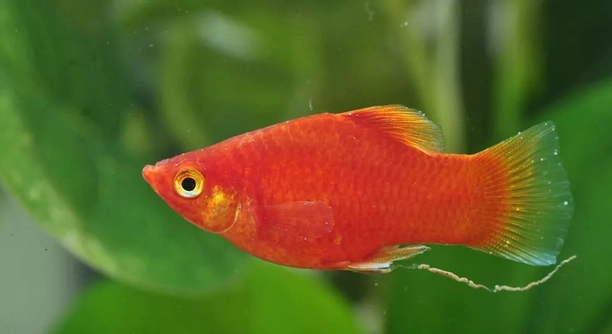
Is your platy acting jumpy or constantly swimming away from the filter’s current, making you wonder if something’s wrong with its setup?
A platy that is scared of the filter may show signs such as frantic swimming, hiding for long periods, or avoiding the filter area entirely. These behaviors often stem from excessive water flow or sudden noise changes in the tank.
Understanding these signs can help you adjust the filter setup and create a calmer space where your platy feels secure and safe.
Common Signs Your Platy Is Scared of the Filter
A platy that feels stressed by the filter will often act differently than usual. You might notice it swimming erratically, hiding behind plants, or staying far from the filter’s flow. These behaviors are often triggered by strong currents or loud vibrations from the filter. Platys are small fish and don’t always do well in high-flow tanks. If your fish seems anxious or struggles to swim, it may be reacting to the intensity of the filter. Keep an eye on its behavior during feeding or cleaning times—if the filter seems to disturb those moments, it could be part of the issue. Observing how often your platy uses hiding spots or stays near the bottom can also tell you something is off. It’s not always about illness; sometimes it’s simply an environmental factor like filter placement or speed. Small changes can make a big difference in how secure your platy feels.
Fear-related behaviors often develop gradually as the fish adjusts to its environment.
Even healthy platys can become overwhelmed if the water movement is too strong. Watch for repeated attempts to swim away from the current or constant hiding near decorations. Subtle changes in swimming patterns may also point to filter-related stress.
What Causes Filter Fear in Platys
Strong current and sudden noise changes are the most common triggers for filter-related fear in platys.
Platys are peaceful fish that prefer calm, steady water. If your filter is too powerful, it may create a current that makes swimming difficult. This is especially hard for platys since they are not strong swimmers. A constant struggle against fast-moving water can make them anxious or lead to exhaustion. Noise is another factor—some filters vibrate or hum loudly, and that can disturb your fish. The placement of the filter also matters. If it’s too close to a favorite hiding spot or placed where it disrupts daily routines like feeding, the platy may start to associate the filter with discomfort. Newly added filters can be especially overwhelming if the fish hasn’t had time to adjust. Some platys are more sensitive than others, so even a slight change can lead to fear or discomfort. Careful monitoring and small adjustments are key to helping your fish feel more at ease.
How to Reduce Filter Stress in Your Platy
Lowering the filter flow is one of the simplest ways to reduce stress. Many filters have adjustable settings—start by turning the flow down and observing how your platy reacts over the next few hours.
If your filter doesn’t have a built-in flow adjustment, you can redirect the current using plants, decorations, or a sponge filter attachment. Placing tall plants or ornaments in front of the output can help diffuse the flow and make the area more comfortable. Another easy solution is using a pre-filter sponge, which softens the water movement and reduces noise. Make sure the filter isn’t blowing directly into areas where your platy usually swims or rests. Small tweaks to placement can go a long way. Test a few setups until you notice your fish moving more calmly and confidently around the tank. Comfort usually returns once the flow feels gentle and less intrusive.
Adding more hiding spots can also help your platy feel secure. Use plants, caves, or decorations that provide shade and protection. When your fish feels it has a safe place to retreat to, it’s less likely to react anxiously to other tank activity. This works well alongside reducing filter intensity and vibration.
When to Consider a Different Filter
If your platy continues to show fear even after adjusting the setup, it might be time to consider another filter type. Sponge filters are usually quieter and offer gentle water movement that suits small fish.
Hang-on-back filters and internal filters can be too powerful for a smaller tank, especially if they’re designed for higher flow rates. Switching to a sponge filter not only reduces current but also lowers the noise level in the tank. It’s a budget-friendly option and easy to maintain. Another alternative is using a filter with adjustable flow settings built in. These let you fine-tune the strength and direction of the output, giving you more control over how the water moves in your tank. Be sure the new filter matches your tank size and needs. Watch how your platy responds over a few days. If it swims more freely and rests more often, then your adjustment was likely effective.
Other Behaviors That May Look Like Fear
Sometimes a platy may hide or act still due to sickness rather than filter stress. Look for other signs like faded color, clamped fins, or loss of appetite to tell the difference.
Shyness after a tank change is also common. New surroundings or recent cleanings can make platys behave cautiously for a few days.
How Tank Setup Affects Stress
A calm environment makes a big difference. Avoid loud areas or placing the tank near vibrations, like speakers or slamming doors. Soft lighting, natural plants, and gentle water movement help reduce tension. Avoid overcrowding and keep a regular schedule for feeding and water changes. Platys thrive with consistency. If too many changes happen at once, it can be overwhelming. Monitor the filter, lighting, and tank mates closely. A peaceful tank layout helps your platy feel safe enough to explore more freely without hiding or darting away. When they feel secure, they’re more social, active, and display healthier behavior.
Final Tip for Observation
Observe your platy at different times of day. Behavior can shift depending on lighting, noise levels, or feeding routines.
FAQ
Can a filter be too strong for a platy?
Yes, a filter can definitely be too strong. Platys prefer calm water, and strong currents can cause them stress or even physical exhaustion. If you notice your platy struggling to swim or constantly avoiding the flow, the filter might be too powerful. In smaller tanks, even medium-strength filters can feel overwhelming. Try reducing the flow or blocking the current using plants or decorations. If your filter has no adjustable setting, consider adding a sponge pre-filter to soften the flow. Watch how your platy reacts over time—it should move around more comfortably once the current is better controlled.
How do I know if the filter is bothering my platy?
You’ll likely see your platy hiding more often, swimming away from the filter, or staying near the bottom of the tank. These are signs of discomfort. If your platy used to swim freely but now avoids certain areas, especially near the filter, that’s also a strong clue. In some cases, they may appear jittery or refuse to eat near the output. Changes in posture, like clamped fins or staying still for long periods, can also suggest stress. Make gradual changes to the filter setup and check if the behavior improves over a few days.
Can loud filter noise scare a platy?
Yes, loud or constant filter noise can affect a platy’s comfort. Fish are sensitive to vibrations in the water, and noise from the filter can travel easily. Some filters rattle or hum more as they age or if they’re not seated properly. If the tank is near a wall or surface that amplifies sound, it might worsen the effect. A quieter filter can help reduce stress. Try adding padding under the tank or repositioning the filter to reduce noise. Observe your platy’s behavior—if it seems calmer after reducing noise, that was likely part of the problem.
Should I turn off the filter at night to help my platy rest?
It’s not recommended to turn the filter off completely. Platys need stable water conditions, and filters play a big part in keeping that balance. Turning it off can disrupt oxygen levels and water clarity, especially overnight. Instead of switching it off, look for a filter that runs quietly or has gentle flow. Some models are made to be less disruptive and are better for fish that need calmer water. If noise or flow is only a problem at night, consider using a sponge filter as a quieter alternative that still maintains good water quality.
How long does it take for a platy to adjust to a new filter?
Adjustment time varies, but most platys will settle within a few days to a week. If the filter is too strong, though, they may not adjust well without changes. Always monitor behavior after switching equipment—check for hiding, loss of appetite, or unusual swimming. If you’ve made the switch to a gentler option and created enough hiding spots, your platy should start acting more relaxed. Feeding behavior is often the first thing to return to normal. Give it time, but if things don’t improve, revisit the setup and make further adjustments as needed.
Is it okay for a platy to hide often?
Occasional hiding is normal, especially after changes in the tank or during rest. But if hiding becomes constant, it may signal stress or discomfort. A filter that’s too strong is a common cause. Other reasons include aggressive tank mates, sudden water changes, or lack of shelter. Make sure your tank has plants or decorations that offer hiding spots, and ensure the current isn’t pushing your platy around. With the right environment, your fish should feel secure enough to swim in the open more often. Keep observing their habits to catch early signs of stress.
What kind of filter is best for platys?
Sponge filters are a good option because they create gentle flow and run quietly. They’re especially useful in smaller tanks or for sensitive fish. Internal filters with adjustable flow settings also work well. Avoid high-power filters meant for larger tanks unless they allow full control over the flow rate. Look for filters that offer biological, chemical, and mechanical filtration without creating strong currents. Placement also matters—aim the output toward a wall or decoration to soften the flow. Choosing the right filter helps your platy stay calm, healthy, and more active in the tank.
Final Thoughts
Keeping a platy comfortable in its tank takes a bit of observation and care. These fish are peaceful and prefer calm, steady water without strong movement or noise. A filter that’s too powerful or loud can make them feel unsafe, leading to hiding, stress, or changes in behavior. It’s important to watch for signs like staying away from the filter, darting around the tank, or spending too much time near the bottom. While these signs might seem small at first, they can point to a bigger issue with how the tank is set up. Understanding what makes your platy feel secure helps prevent stress and supports better health.
Making a few simple changes can help reduce fear and build a calmer space. Lowering the filter flow, adding more hiding spots, or switching to a quieter filter can all make a noticeable difference. These adjustments don’t have to be expensive or complicated. Even shifting the filter’s position or placing plants in front of the output can help. Sponge filters are especially helpful for smaller tanks or if your platy seems very sensitive to noise or current. The key is to make sure the tank stays clean without creating a strong flow. A balanced tank allows your platy to swim freely and act naturally, which is a good sign it feels safe.
Every fish is a little different. Some platys adjust quickly to changes, while others take more time. If your platy seems scared or avoids certain areas, try small changes first and see how it responds. Giving your fish space, calm surroundings, and a stable routine often makes a big difference over time. Watching your platy become more active and relaxed is a clear sign that your changes are working. Keeping an eye on their daily habits and adjusting when needed helps create a more peaceful tank environment. In the end, a calm, healthy platy is the best sign that everything in the tank is running smoothly.

Hello,
If you enjoy the content that we create, please consider saying a "Thank You!" by leaving a tip.
Every little bit helps us continue crafting quality advice that supports the health, happiness, and well-being of pets around the world, for pets of all shapes, sizes, and species.
We really appreciate the kindness and support that you show us!