
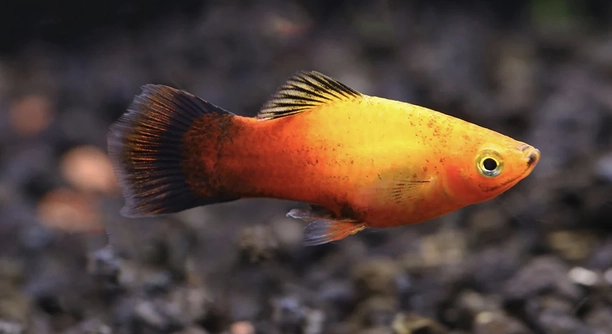
Are your platies all facing the same direction in their tank? This behavior can seem unusual, especially if you expect them to swim freely and independently. Understanding why they do this can help you better care for your fish and their environment.
Platies often face the same direction due to environmental cues such as water current, lighting, or tank layout. This synchronized behavior is a natural response to external stimuli, helping them conserve energy and maintain group cohesion within their habitat.
Recognizing these reasons will help you create a more comfortable space for your platies and improve their overall well-being.
Environmental Factors Influencing Platies’ Behavior
Platies are sensitive to changes in their environment, which directly affects their behavior. One common factor is water current. If your tank has a filter or air pump creating a steady flow, platies will often face into the current to maintain stability and reduce swimming effort. Lighting also plays a role. Bright or directional lighting can cause fish to align themselves where they feel most comfortable, often facing away from strong light sources. Tank layout matters too—plants, decorations, and open spaces influence their movement patterns. Fish tend to position themselves where they feel safest or most sheltered. These environmental factors combine to create conditions where platies instinctively swim in the same direction. Monitoring these elements can help you adjust your tank setup to encourage more varied swimming behavior, ensuring your fish stay active and comfortable.
This behavior is a natural way for platies to cope with their surroundings and conserve energy efficiently.
Adjusting water flow and lighting can create a more dynamic environment, encouraging your platies to explore different areas of the tank and reducing the tendency to align uniformly.
Social Behavior and Group Dynamics
Platies are social fish that often swim in groups, which influences their behavior. Swimming in the same direction helps them stay coordinated and feel secure as a group. This behavior reduces stress and makes it easier to react quickly to potential threats or changes in the environment. When they swim together, it also signals to other fish that the area is safe. However, if the tank is too small or overcrowded, this alignment might become more pronounced due to limited space. Providing enough room and hiding spots allows platies to express natural behaviors more freely and reduces uniform swimming caused by stress or confinement. Observing your platies’ interactions can offer clues about their social comfort and overall health. Creating a balanced environment promotes a healthy social structure and encourages natural, varied movements.
Tank Conditions and Their Impact
Temperature and water quality significantly affect platies’ behavior. If conditions are not ideal, fish may group and align to reduce stress.
Proper temperature between 72°F and 78°F keeps platies comfortable and active. Poor water quality, such as high ammonia or nitrite levels, causes stress, leading fish to seek safety by swimming together. Maintaining stable water parameters and regular tank cleaning supports healthy behavior and reduces uniform swimming caused by discomfort. Monitoring water quality is essential to prevent illness and ensure your platies thrive.
Water changes and filter maintenance also play key roles in sustaining tank health. Clean, stable conditions encourage natural, varied swimming and reduce stress-induced group alignment.
Feeding and Activity Patterns
Platies often face the same direction when anticipating feeding time. This behavior is linked to routine and habit formed around feeding schedules. Fish learn to associate certain cues, like light or sounds, with food. They may gather and orient themselves toward the food source to be ready when feeding begins. This creates an appearance of synchronized swimming or alignment. Ensuring a consistent feeding routine helps maintain calm and reduces erratic behavior during feeding.
Regular feeding encourages activity and natural movement. Varying feeding times and locations inside the tank can stimulate exploration and reduce the tendency to group uniformly. Understanding these patterns helps you create a lively environment for your platies.
Light and Its Influence on Swimming Direction
Platies respond strongly to light intensity and direction. They often face away from bright lights to avoid stress.
Adjusting the tank’s lighting can encourage more natural movement. Using softer or diffused light helps platies feel secure and swim freely.
The Role of Tank Size
A small or overcrowded tank limits swimming space. This restriction can cause platies to swim uniformly in one direction as they navigate tight areas.
Providing adequate space allows platies to move independently and reduces the behavior of all facing the same way. Tank size directly affects fish comfort and activity levels.
Observing Your Platies’ Behavior
Regular observation of your platies helps detect changes in their swimming patterns. Consistent direction may signal environmental or social factors needing adjustment.
Watching closely ensures timely action to improve tank conditions, supporting your fish’s health and happiness.
FAQ
Why are my platies all facing the same direction?
Platies often face the same way due to environmental factors such as water flow, lighting, and tank layout. They align to conserve energy and stay stable in currents. This synchronized swimming is a natural behavior to feel secure and maintain group cohesion within their environment.
Is it normal for platies to swim together like this?
Yes, platies are social fish and tend to swim in groups for safety. Moving in the same direction helps them stay coordinated and respond quickly to changes or threats. This group swimming is common and indicates healthy social behavior.
Can tank size affect this behavior?
A smaller or crowded tank can increase uniform swimming since space is limited. Fish have fewer options to swim freely, so they may naturally line up. Providing a larger tank allows for more independent movement and reduces this behavior.
How does water current influence their direction?
Platies often face into the current to reduce effort swimming. This helps them stabilize and conserve energy. If your filter or pump creates a steady flow, expect your platies to align facing it.
Could lighting cause them to swim the same way?
Yes. Bright or directional lighting makes platies face away from intense light to avoid stress. Softer, even lighting encourages natural movement and less uniform swimming.
Does feeding time affect their swimming patterns?
Platies quickly learn feeding routines and may group facing the food source before feeding. This anticipatory behavior shows they recognize cues linked to feeding times and places.
Are there health concerns related to this behavior?
Usually not. Facing the same direction is normal unless paired with signs of stress or illness like clamped fins or lethargy. If other symptoms appear, check water quality and tank conditions.
How often should I check my tank conditions?
Regular checks—weekly or biweekly—help keep water parameters stable. Maintaining temperature, pH, and cleanliness ensures your platies stay comfortable and reduces stress behaviors.
What can I do to encourage varied swimming?
Adjust water flow by repositioning the filter or adding decorations to break currents. Use diffused lighting and provide enough space. Feeding at different spots also encourages exploration.
Will platies always swim in groups?
Platies are naturally social but may swim alone when resting or exploring. Group swimming is typical but varies depending on environment, tank size, and social dynamics.
Is it okay if they always face one direction?
This is generally fine if water quality is good and fish appear healthy. Consistent direction is a natural response to environmental factors, not necessarily a problem.
Can tank decorations influence their direction?
Yes, decorations create areas of shelter or open space, guiding swimming paths. Fish may align facing open areas or away from bright spots, affecting their swimming orientation.
What temperature range is best for platies?
Keep the tank between 72°F and 78°F. Stable temperatures within this range support normal behavior and reduce stress that can affect swimming patterns.
How does overcrowding affect behavior?
Too many fish in one tank cause stress and limited swimming space. This can lead to increased group alignment as fish compete for room, increasing uniform direction.
Can adding plants help?
Plants provide shelter and break up open areas, encouraging varied swimming routes. They also improve water quality and create a comfortable environment for platies.
What signs indicate stress in platies?
Signs include hiding, loss of appetite, clamped fins, or unusual swimming. Uniform direction alone is not a sign of stress, but if combined with other symptoms, check tank conditions immediately.
Should I change my feeding schedule?
Maintaining a regular schedule is good, but varying feeding times or locations can stimulate activity and reduce group alignment linked to feeding anticipation.
Is it normal for platies to stay still sometimes?
Yes, resting is normal. During these times, they may group or face the same way for comfort. This behavior is part of their natural routine.
What if my platies suddenly change their swimming patterns?
Sudden changes could indicate water quality issues, illness, or stress. Test water parameters and observe for other symptoms. Early action helps prevent health problems.
How important is water quality for behavior?
Water quality is critical. Poor conditions cause stress, leading to unusual behaviors like tight grouping and uniform swimming. Regular testing and maintenance keep platies healthy.
Can lighting schedules affect behavior?
Consistent light cycles support natural rhythms. Sudden changes or too much light can stress fish, influencing their swimming direction and activity.
Do platies swim differently during breeding?
During breeding, males may follow females closely, sometimes causing more uniform swimming. This is temporary and related to mating behavior, not a cause for concern.
Final thoughts on why your platies all face the same direction bring together several key points about their behavior and environment. Platies respond strongly to their surroundings. Factors such as water current, lighting, tank size, and social interaction influence how they swim. Facing the same direction is often a natural response to these conditions, helping them conserve energy and feel secure. This behavior is not unusual or harmful by itself. Understanding these influences can help you create a better environment for your fish.
It is important to remember that tank conditions play a major role in how platies behave. Maintaining good water quality, proper temperature, and appropriate lighting can reduce stress and encourage more varied swimming patterns. A clean tank with enough space and hiding spots allows platies to move freely and comfortably. Also, their social nature means they will often swim together, which is normal. Providing a balanced environment supports their health and natural behavior, making your aquarium a peaceful and lively place.
By paying attention to the details of your tank setup and the needs of your platies, you can better understand why they swim the way they do. Small changes like adjusting water flow, rearranging decorations, or varying feeding routines may encourage more independent movement. Observing your fish regularly will help you notice any changes that might require attention. Ultimately, knowing why your platies face the same direction helps you care for them in a way that supports their well-being and enjoyment of their home.

Hello,
If you enjoy the content that we create, please consider saying a "Thank You!" by leaving a tip.
Every little bit helps us continue crafting quality advice that supports the health, happiness, and well-being of pets around the world, for pets of all shapes, sizes, and species.
We really appreciate the kindness and support that you show us!