
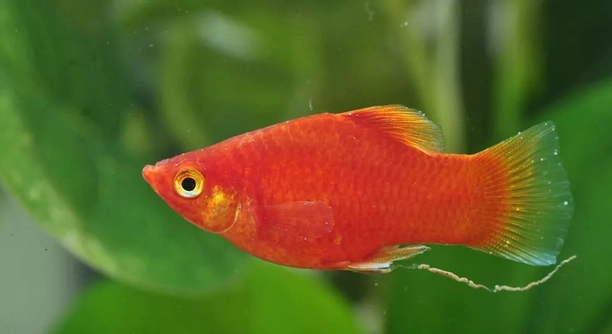
Platies are small, colorful freshwater fish often kept in home aquariums. Many owners enjoy watching their behavior and wonder if these fish can form bonds with humans. Understanding their nature helps improve the care they receive.
Platies exhibit limited capacity to recognize and respond to their owners, showing signs of habituation rather than deep trust. Their behavior reflects conditioned responses to feeding and interaction rather than complex emotional bonding.
Learning how platies react to their environment and owners can improve your relationship with them and enhance their well-being in your aquarium.
How Platies Recognize Their Owners
Platies can learn to associate their owners with positive experiences, mainly through feeding. Over time, they may swim closer or follow your hand near the tank, responding to the routine of being fed. This behavior shows they remember you as the source of food, not necessarily as a trusted companion. Platies rely heavily on visual cues and routine, so consistent interaction helps them become more comfortable. However, their ability to recognize individual humans is limited compared to pets like dogs or cats. The reactions you observe are often linked to conditioning rather than emotional bonding. Understanding this distinction can help set realistic expectations when caring for these fish and improve how you interact with them daily.
Platies respond best to gentle, predictable interactions. Sudden movements or tapping can cause stress rather than trust.
Spending time near the tank and offering food regularly allows platies to become familiar with your presence. While they won’t form emotional bonds like mammals, their recognition of feeding routines creates a form of conditioned trust. Keeping interaction calm and consistent helps reduce their stress and encourages them to swim closer to you. Over time, this can make your aquarium experience more enjoyable and rewarding.
Building Trust Through Consistent Care
Platies thrive in environments where their needs are consistently met. Clean water, proper diet, and stable tank conditions reduce stress and promote natural behavior. When these needs are fulfilled, platies are more likely to exhibit calm and curious behavior. Trust comes from routine and predictability, so maintaining a consistent feeding schedule and handling the tank carefully supports this process. Avoiding sudden changes in the environment or care routine helps platies feel secure. While they do not experience trust like mammals, their habituation to a safe and stable environment is key to their well-being.
Routine care and steady interaction are essential for platies’ comfort.
Consistent care builds an environment where platies can feel secure. They learn to associate the tank owner with feeding and safety, reducing their instinct to hide or flee. This reduces stress, which is important for their health and longevity. Proper nutrition supports active and alert behavior, encouraging platies to swim freely and approach the tank’s glass. Predictable care habits help platies become more comfortable, although their trust is based on familiarity rather than emotion. Regular tank maintenance and observing their responses to your presence enhance the bond that is possible with these fish.
Signs Platies Show Recognition
Platies often swim towards your hand when you approach the tank, especially if they expect food. They may become more active or gather near the surface during feeding times. These behaviors indicate they recognize feeding routines, though it does not mean emotional trust.
When platies see you regularly, they can learn to expect food and react accordingly. This conditioned behavior is a form of recognition, where the fish connect your presence with a positive outcome. However, platies do not display affection or complex social bonding like mammals. Their responses are simple and mostly driven by instinct. Over time, they may become less skittish and more responsive to your movements near the aquarium.
This recognition can make feeding and interaction more rewarding. Patience and consistency help platies feel comfortable enough to approach without fear. While they don’t form emotional bonds, their conditioned behavior creates a connection that benefits both the fish and the owner.
Interaction Tips to Encourage Comfort
Consistent feeding schedules and gentle movements near the tank help platies feel more secure. Avoid tapping on the glass or sudden changes in lighting, which cause stress.
To encourage platies to recognize and respond to you, approach the tank calmly and slowly. Feeding at the same time daily establishes routine. Talking softly or moving predictably reduces their fear. These small actions build familiarity and reduce stress, making platies more willing to swim closer. Maintaining a stable environment also supports their comfort, so changes in water temperature or decor should be gradual. Over time, these practices foster a positive relationship based on routine rather than emotion.
Common Misconceptions About Platies and Trust
Many people assume platies can form emotional bonds like pets such as cats or dogs. This is not accurate because platies have simpler brains and different social behaviors.
Platies do show recognition through conditioned responses, but this should not be mistaken for true trust or affection. Their behavior is mainly instinct-driven.
How Environment Affects Platies’ Behavior
A calm and stable tank environment greatly influences how comfortable platies feel. Stressful conditions can cause them to hide or act skittish, reducing their interaction with owners. Proper lighting, clean water, and minimal noise help platies remain active and responsive. When platies feel secure, they display more natural behaviors, making them easier to observe and enjoy.
Handling Platies Safely
Avoid touching platies directly. Use nets gently when necessary and minimize sudden movements near the tank to prevent stress.
Can platies recognize their owners?
Platies do not recognize owners in the way pets like dogs or cats do. They respond mainly to visual and routine cues, especially related to feeding. Over time, they learn to associate your presence with food, which causes them to swim closer or become more active near the tank’s surface. This recognition is a conditioned response rather than emotional bonding. They react to familiar movements and feeding schedules but do not develop trust or affection in a human sense.
Do platies show affection to their owners?
Platies do not show affection like mammals do. Their behavior is driven mostly by survival instincts and routine. They may appear curious or active when you approach because they expect food, not because they feel affection. While some fish species show more social behavior, platies’ reactions are limited to conditioned responses to their environment and feeding patterns. Understanding this helps avoid misinterpreting their behavior.
How can I make my platies more comfortable with me?
Consistency and calmness are key. Feed your platies at regular times, approach the tank slowly, and avoid sudden movements or loud noises. Keeping the tank environment stable—clean water, proper temperature, and gentle lighting—also reduces stress. Over time, platies will swim closer and respond more to your presence, but this is due to familiarity and routine, not emotional trust.
Is it harmful to tap the glass to get my platies’ attention?
Tapping the glass can cause stress and fear in platies. They interpret sudden noises or vibrations as threats. This can lead to hiding or erratic swimming. Instead of tapping, use gentle movements and offer food at regular times to encourage interaction. A calm environment promotes healthier and more natural behavior.
Can platies remember me over long periods?
Platies have short-term memory tied to routine and conditioning. They remember feeding schedules and associate certain actions or visual cues with food. However, this memory does not translate into recognizing individual humans emotionally. Consistent care helps them recall feeding patterns, which improves their response to your presence.
Do platies get stressed easily around humans?
Yes, platies are sensitive to sudden movements, loud noises, and changes in their environment. Stress weakens their immune system and can lead to illness. Approaching the tank calmly, maintaining water quality, and avoiding sudden changes reduces stress. A calm environment helps them remain active and healthy.
Should I try to handle my platies?
Handling platies directly is not recommended. Their delicate bodies can be easily harmed by nets or hands. If you must move them, use a soft net carefully and avoid squeezing. Handling causes unnecessary stress and should be kept to a minimum. It is better to interact by observing and feeding.
How does feeding affect platies’ response to me?
Feeding is the main way platies connect your presence with a positive experience. They learn to recognize feeding times and may swim near you when you approach. This conditioned response improves interaction but is not a sign of emotional attachment. Providing varied and nutritious food supports their health and encourages natural behavior.
Can platies form bonds with other fish?
Platies are social fish that prefer living in groups. They form loose social structures with tank mates but do not bond deeply. Group living provides safety and encourages natural swimming behavior. Proper group sizes reduce stress and improve their overall well-being.
How do I know if my platies trust their environment?
Trust in this context means comfort and reduced stress. If platies swim openly, eat well, and don’t hide frequently, they feel secure. Cloudy water, sudden temperature changes, or aggressive tank mates cause stress and reduce their willingness to swim freely. Maintaining a stable tank environment is essential for their comfort.
What are signs of stress in platies?
Stress signs include hiding, loss of appetite, erratic swimming, or color fading. Stressed platies may also scratch against decorations or tank walls. Monitoring their behavior helps catch problems early. Address water quality, temperature, and tank mates if stress signs appear.
Can platies learn tricks or behaviors like other pets?
Platies can learn to respond to feeding cues but cannot perform tricks like mammals. Their learning is limited to simple conditioning based on routine and survival instincts. Expecting complex behaviors is unrealistic. Training focuses mainly on establishing consistent interaction through feeding routines.
Is it important to talk to platies?
Talking softly near the tank does not harm platies and may help you remain calm during interaction. However, platies do not understand speech and respond mostly to movement and routine. Your calm presence is beneficial for creating a peaceful environment.
How long does it take for platies to get used to an owner?
It can take days to weeks for platies to become comfortable with your presence. Regular feeding times and calm interaction speed this process. Each platy is different; some adjust quickly, while others are more cautious. Patience and consistency are important.
Can platies recognize different people?
Platies likely cannot distinguish between different humans. They respond to general movement and feeding cues rather than individual features. Their recognition is limited to routine and positive associations, not individual identification. Consistent care from all household members supports their comfort.
Are there any benefits to platies recognizing their owners?
Recognition reduces fear and stress during feeding and maintenance. Platies that respond calmly to your presence are easier to care for and observe. This recognition improves your experience as an owner, even though it is not emotional trust. A calm, responsive fish tank is more enjoyable for everyone.
Platies are small fish with simple behaviors that mainly focus on survival and routine. While they can learn to recognize their owners through consistent feeding and gentle interaction, this recognition is different from emotional trust seen in pets like cats or dogs. Their responses are mostly conditioned behaviors, meaning they associate certain actions or appearances with positive outcomes such as food. Understanding this helps set realistic expectations for how platies behave and interact with their owners.
Creating a calm and stable environment is essential for platies to feel comfortable. Proper tank maintenance, including clean water, steady temperature, and avoiding sudden changes, reduces stress and promotes natural behavior. Regular feeding schedules and gentle movements around the tank encourage platies to become familiar with their owner’s presence. Although they do not form emotional bonds, platies can show signs of recognition and reduced fear when their needs are consistently met. This makes the aquarium experience more enjoyable for both the fish and their owners.
It is important to remember that platies’ trust is based on routine and familiarity rather than feelings or affection. They do not experience emotions in the same way mammals do. Respecting their nature and meeting their basic needs will improve their well-being and encourage natural behaviors. Patience and consistent care are key to building a positive relationship with platies. This approach ensures a healthy environment where platies can thrive, swim freely, and respond calmly to their owner’s presence.

Hello,
If you enjoy the content that we create, please consider saying a "Thank You!" by leaving a tip.
Every little bit helps us continue crafting quality advice that supports the health, happiness, and well-being of pets around the world, for pets of all shapes, sizes, and species.
We really appreciate the kindness and support that you show us!