
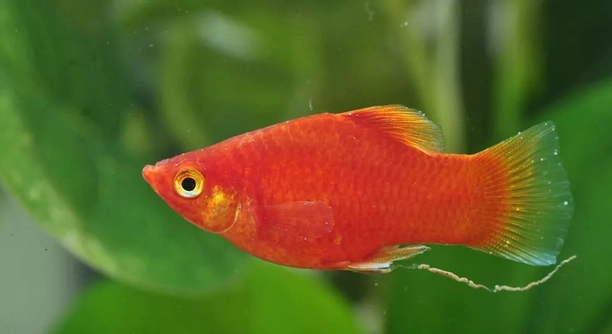
New platies bring color and life to any aquarium, but they need some time and care to feel comfortable. Properly preparing their environment helps reduce stress and supports healthy adjustment to their new home. This guide offers key tips for their smooth transition.
New platies settle quickly when their tank conditions match their natural needs, including stable water temperature, clean water, proper hiding spots, and a balanced diet. Consistency in these areas reduces stress and promotes faster adaptation to the aquarium environment.
Understanding these essential steps will help your new platies thrive and enjoy a peaceful start in their new space. Following simple adjustments can make a big difference in their well-being.
Stable Water Temperature
Maintaining a stable water temperature is essential for new platies. They thrive best between 72°F and 78°F (22°C to 26°C). Sudden temperature changes can stress them and weaken their immune systems, making them prone to illness. Use a reliable aquarium heater and thermometer to keep the temperature steady. Avoid placing the tank near windows or air vents where fluctuations occur. When introducing new platies, check that the tank water matches their previous environment to minimize shock. Gradually acclimate them if the temperature differs, by floating their bag in the tank for 15-20 minutes. Keeping the temperature steady supports their metabolism and helps them feel safe in their new home.
Stable temperature helps platies adjust quickly and prevents health problems caused by stress. It is a key factor for their overall well-being in a new tank.
Monitoring temperature daily and investing in quality equipment creates a healthy environment. A stable climate reduces stress, improves feeding behavior, and supports active swimming. When platies feel comfortable, they are more likely to explore and interact. This simple step builds the foundation for a healthy aquarium.
Clean and Well-Filtered Water
Clean water is crucial for the health of new platies. Poor water quality leads to stress and disease. It is important to have an efficient filtration system that removes waste and maintains clear water. Regular water changes of 20-30% every week help keep nitrate levels low and provide fresh minerals. Test water parameters like ammonia, nitrite, and pH frequently to ensure a safe environment. Platies prefer slightly alkaline water with a pH between 7.0 and 8.0. Avoid overcrowding the tank, as more fish produce more waste, making it harder to maintain cleanliness.
Keeping the tank clean ensures platies stay healthy and active, avoiding many common problems related to poor water conditions.
Filtration and regular maintenance work together to create a balanced habitat. Mechanical filters remove debris, biological filters support beneficial bacteria, and chemical filters help clear impurities. This combination stabilizes the water and keeps harmful substances low. By consistently cleaning and testing water, you protect your platies from stress and disease. Over time, a well-maintained tank will result in stronger, more vibrant fish that settle easily. Providing fresh, clean water shows care and helps your platies thrive naturally.
Providing Proper Hiding Spots
Platies need places to hide to feel secure. Plants, caves, or decorations help reduce stress by giving them a safe retreat.
Offering natural or artificial plants creates a peaceful environment. Floating plants soften light, and dense foliage mimics their natural habitat. Small caves or ornaments serve as shelters where shy platies can rest. These hiding spots reduce aggression among tank mates by providing personal space. Position shelters near open swimming areas so fish can easily move between safety and exploration. Avoid overcrowding the tank with too many decorations, as it limits swimming room. Balancing open space with secure hiding places supports platies’ comfort and encourages natural behavior.
Over time, platies will become more confident, exploring more as they know safe spots are nearby. This simple addition improves their daily life and helps reduce stress-related illnesses.
Consistent Feeding Routine
Feeding new platies at regular times supports their adaptation. A consistent schedule helps them know when to expect food, reducing stress and encouraging healthy eating habits.
Choose a varied diet that includes high-quality flakes, frozen or live foods like brine shrimp or daphnia. Offer small amounts two to three times daily to prevent overfeeding and water pollution. Remove any uneaten food promptly to keep the tank clean. Young platies may require more frequent feedings, while adults can thrive on less. Providing nutritious food supports growth, color, and immune health. Avoid sudden diet changes, which can upset digestion and cause stress.
Maintaining a feeding routine creates a predictable environment for your platies. They learn to associate the tank with positive experiences, helping them settle quickly and stay healthy in their new home.
Gradual Acclimation Process
Introducing new platies slowly helps reduce shock. Float their sealed bag in the tank for about 20 minutes to equalize temperature.
Add small amounts of tank water to the bag every 5 minutes. This helps them adjust to water chemistry gradually, reducing stress and increasing survival chances.
Avoid Overcrowding
Too many fish cause stress and poor water quality. Keep a balanced number of platies to ensure enough space and oxygen.
Use a Gentle Filter
Strong currents can tire out platies and cause stress. Choose a filter with adjustable flow or use a sponge filter.
A gentle filter maintains water cleanliness while providing calm water conditions. This helps new platies feel safe and comfortable, promoting quicker adjustment and healthier behavior.
Monitor Behavior Closely
Watch for signs of stress or illness in new platies. Early detection helps prevent problems and supports quick intervention.
FAQ
How long does it take for new platies to settle in?
New platies usually take about one to two weeks to settle comfortably in a new tank. This depends on factors like water quality, temperature stability, and whether their environment matches their previous home. Proper acclimation and care can shorten this period.
What is the best water temperature for platies?
Platies thrive best in water temperatures between 72°F and 78°F (22°C to 26°C). Keeping the temperature steady within this range helps maintain their health and reduces stress. Sudden temperature changes should be avoided.
How often should I change the water for new platies?
Regular water changes are essential. Changing 20-30% of the tank water weekly helps keep nitrate levels low and maintains clean water. This supports the fish’s immune system and overall well-being.
What should I feed my platies?
A varied diet works best. Use high-quality flakes, and supplement with frozen or live foods such as brine shrimp, daphnia, or bloodworms. Feed small amounts two to three times daily to prevent overfeeding and water pollution.
Why do my new platies hide a lot?
Hiding is normal for new platies adjusting to their environment. Providing plenty of hiding spots like plants and caves helps them feel safe. Once comfortable, they will explore more and become more active.
Can platies live with other fish?
Yes, platies are peaceful community fish and usually get along well with other non-aggressive species. Avoid housing them with large or aggressive fish that might stress or harm them.
How many platies should I keep in one tank?
A good rule of thumb is one platy per 2 gallons of water. This prevents overcrowding, reduces waste buildup, and helps maintain stable water conditions.
What water parameters are ideal for platies?
Platies prefer a pH between 7.0 and 8.0 and moderate hardness. Maintaining ammonia and nitrite at zero is critical. Regular water testing keeps these parameters safe and balanced.
Why are my platies not eating?
Stress, poor water quality, or sudden changes can cause loss of appetite. Ensure proper acclimation, clean water, and a consistent feeding routine to encourage eating.
How can I tell if my platies are healthy?
Healthy platies swim actively, show vibrant colors, and have clear eyes. Watch for signs like clamped fins, lethargy, or unusual spots, which may indicate illness.
Is a heater necessary for platies?
Yes, a heater is recommended to keep water within the ideal temperature range. This is especially important in cooler climates or homes with variable temperatures.
Can platies breed in a new tank?
Platies can breed easily once settled, often within a few weeks. Ensure the tank is spacious with plenty of hiding spots for fry to survive.
How do I prevent diseases in new platies?
Quarantine new fish before adding them to the main tank. Maintain clean water, stable temperature, and a balanced diet. Regular monitoring helps catch issues early.
What type of filter is best for platies?
Filters with adjustable flow or sponge filters are ideal because they provide clean water without strong currents that stress platies.
How much space do platies need to swim comfortably?
Platies need open swimming areas alongside hiding spots. Avoid overcrowding decorations to ensure they have room to move freely and display natural behavior.
New platies bring a lot of life and color to an aquarium, but helping them settle quickly requires attention to their needs. Creating a stable and comfortable environment is the most important step. This means keeping the water temperature steady, providing clean and filtered water, and offering enough hiding spots. When these conditions are met, platies experience less stress and are more likely to adapt well to their new home. It is also important to feed them a balanced diet regularly and maintain a routine. All these actions together create a supportive space for platies to grow and thrive.
Taking the time to acclimate new platies properly can make a big difference in their health and happiness. Slowly introducing them to the tank water and avoiding sudden changes in their environment helps prevent shock. Keeping an eye on water parameters and adjusting as needed ensures the tank stays safe and stable. Platies that feel secure will explore, eat well, and show natural behaviors sooner. Being patient and consistent during their first days reduces problems later and helps build a strong foundation for their care.
Remember, platies are resilient fish but need a good start to reach their full potential. Small details, like gentle filtration and avoiding overcrowding, can improve their quality of life significantly. Watching your platies become more active and colorful is rewarding, especially when you know they are healthy and comfortable. By following these simple guidelines, you create a pleasant and lasting environment where new platies can settle quickly and remain happy for a long time.

Hello,
If you enjoy the content that we create, please consider saying a "Thank You!" by leaving a tip.
Every little bit helps us continue crafting quality advice that supports the health, happiness, and well-being of pets around the world, for pets of all shapes, sizes, and species.
We really appreciate the kindness and support that you show us!