
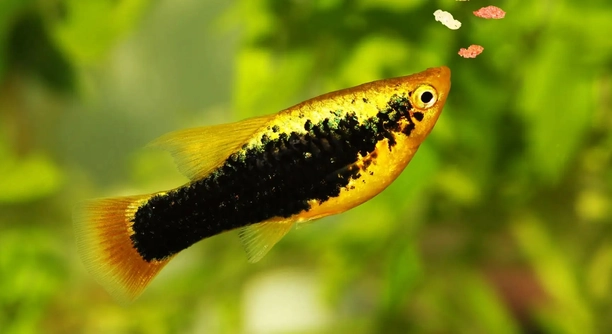
Are your platies showing signs of stress or unusual behavior in their tank? Many fish owners may not realize when their platies need more space to thrive. Knowing when to expand their environment is important for healthy fish.
Platies require adequate space to maintain good health and reduce stress. Overcrowding can lead to aggression, stunted growth, and poor water quality. Increasing tank size helps improve oxygen levels, swimming room, and overall well-being for these active fish.
Recognizing the signs early can prevent problems and create a better home for your platies. Understanding how much space they need is key to keeping them happy and healthy.
Signs Your Platies Are Outgrowing Their Tank
When platies begin to feel cramped, their behavior changes noticeably. You might see more fighting or chasing as they compete for limited space. Swimming patterns can become erratic, with fish spending more time hiding than exploring. Stunted growth is also a sign; if your platies don’t seem to be growing despite proper care, it may be due to insufficient room. Another indicator is the water quality dropping quickly, even with regular maintenance. Overcrowded tanks accumulate waste faster, which stresses fish and increases the risk of disease. Watching these changes closely helps prevent long-term problems and keeps your tank healthy for all its inhabitants.
Fish that need more space often lose their bright colors. Stress and poor conditions can dull their appearance, making them look tired or unhealthy. Providing enough room lets platies display their natural, vibrant colors and stay active.
It’s important to regularly monitor your tank’s population and behavior. Even a few extra fish can change the dynamics, so keep an eye on growth and interactions. Proper spacing encourages natural behaviors, reduces stress, and keeps your platies thriving.
How Much Space Do Platies Actually Need?
Platies are active swimmers and need enough space to move freely without stress.
A general rule is to provide at least 10 gallons of water for every three platies. This amount supports their activity levels and helps maintain stable water conditions. Tanks smaller than 10 gallons tend to fill quickly with waste and limit the fish’s ability to swim comfortably. A larger tank also provides more surface area for oxygen exchange, which is vital for their health. In cramped conditions, platies can become aggressive and stressed, which weakens their immune systems. Bigger tanks reduce territorial disputes and give each fish room to grow to its full size. Regular water testing and cleaning become easier in a properly sized tank, ensuring your platies live in a clean, stable environment. Adjusting tank size as your fish grow is one of the best ways to keep them healthy and happy for years to come.
Maintaining Water Quality in a Crowded Tank
Poor water quality is a common issue when platies need more space. Waste builds up quickly and harms their health.
Regular water changes are crucial but might not be enough in overcrowded tanks. Filtration systems can struggle to keep up with the increased waste load. This leads to a rise in ammonia and nitrite levels, which are toxic to fish. Monitoring water parameters frequently is necessary to catch problems early. A larger tank with fewer fish reduces waste concentration and improves overall water quality, making it easier to maintain a stable environment for your platies.
When platies live in cramped conditions, stress levels increase, weakening their immune systems. This makes them more susceptible to diseases such as ich or fin rot. Providing enough space lowers stress and promotes natural behaviors like swimming and exploring. In a properly sized tank, platies are more active and display brighter colors. Good water quality combined with enough room results in healthier, longer-living fish that are a joy to watch.
Adjusting Tank Size as Your Platies Grow
Platies grow quickly, and tank space that was enough at first may become too small. Upgrading the tank size helps keep them comfortable.
When your platies start to outgrow their current space, consider moving them to a larger tank gradually. A bigger tank allows for better swimming room and reduces territorial behavior. You don’t have to upgrade to a huge tank immediately; even adding a few gallons can improve conditions significantly. Consistently providing enough space prevents overcrowding issues like stunted growth and poor water quality. Planning ahead for growth saves time, money, and stress for both you and your fish.
Recognizing Overcrowding Early
Overcrowding can quickly lead to problems in your platies’ tank. Early signs include frequent hiding and increased aggression.
Pay attention to how your fish interact. If they seem restless or are constantly chasing each other, it’s time to think about adding space.
Feeding Behavior Changes with Crowding
When platies don’t have enough room, their feeding habits may shift. Some fish might become aggressive at feeding time, while others might eat less. This imbalance can lead to malnutrition or stress. Feeding smaller amounts more frequently helps ensure all fish get enough food, especially in a crowded tank.
Avoiding Stress Through Proper Tank Size
Stress weakens your platies’ immune system and makes them vulnerable to illness. Proper tank size reduces stress by providing ample swimming space and hiding spots. Healthy, low-stress fish are more active and show brighter colors, which is a good sign of their well-being.
Benefits of Adding Plants
Adding live plants improves water quality and offers hiding spots. Plants help reduce stress and create a more natural environment for your platies.
FAQ
How do I know if my platies are stressed because of lack of space?
Signs of stress in platies caused by overcrowding include constant hiding, loss of color, and aggressive behavior. You might also notice them gasping at the surface or swimming erratically. Stress can weaken their immune systems, making them more prone to illness. If you see these behaviors, it is likely your tank is too small or too crowded for their needs.
Can overcrowding cause illness in platies?
Yes, overcrowding often leads to poor water quality because waste builds up faster. This creates harmful ammonia and nitrite levels that can cause fin rot, ich, and other diseases. Additionally, stressed fish have weaker immune systems, increasing the chances of infections. Keeping enough space and maintaining clean water helps prevent these health issues.
How often should I change the water if my tank is crowded?
In crowded tanks, more frequent water changes are necessary. Changing 20-30% of the water every week is a good practice, but you might need to increase this if water tests show rising ammonia or nitrites. Regular water changes help remove toxins and keep the environment safe for your platies.
Is a bigger tank always better for platies?
While bigger tanks offer more swimming space and improve water quality, size should match the number of fish you have. A large empty tank isn’t beneficial if it’s not properly maintained. Focus on the right balance of tank size, filtration, and number of platies to create a healthy environment.
Can I keep other fish with my platies in a small tank?
Mixing species in a small tank can increase stress and competition for space. Platies are peaceful but can become territorial when cramped. Adding other fish in a crowded tank can worsen water quality and cause aggression. It’s best to either have a larger tank or limit the number of fish to avoid problems.
What is the minimum tank size for a small group of platies?
For three to five platies, a minimum of 10 gallons is recommended. This space supports their swimming needs and helps maintain good water quality. If you plan to keep more fish or plants, consider a larger tank to ensure everyone has enough room.
How can I reduce stress if I can’t upgrade my tank immediately?
If upgrading isn’t possible right away, try reducing the number of fish or rearranging decorations to create more hiding spots. Regular water changes and careful monitoring of water quality are essential. Feeding smaller amounts more often can also help reduce stress during crowded periods.
Are there any signs of stunted growth related to tank size?
Yes, platies kept in tanks that are too small may stop growing or grow slower than usual. Limited space and poor water conditions can restrict their development. Ensuring enough room and proper care allows them to reach their full size and stay healthy.
How important is filtration in a crowded tank?
Filtration is very important because it removes waste and toxins from the water. In a crowded tank, a good filter helps maintain stable water conditions and reduces the risk of disease. Make sure your filter matches the tank size and fish load for best results.
Can adding live plants improve conditions in a crowded tank?
Live plants help by absorbing some waste products and providing oxygen. They also offer hiding places that reduce stress. While plants don’t replace the need for space, they improve water quality and create a more natural, comfortable environment for your platies.
When caring for platies, giving them enough space is one of the most important factors to consider. A tank that is too small or overcrowded can cause many problems, including stress, poor health, and aggressive behavior. Watching your platies closely for signs of discomfort or unusual actions helps you know when it’s time to give them more room. Healthy platies swim actively, show bright colors, and interact peacefully. If you notice changes like hiding, dull colors, or fighting, it’s a good idea to check if their tank is large enough and clean.
Proper tank size not only supports the well-being of your platies but also makes tank maintenance easier. When fish have enough room, waste builds up more slowly and water quality stays more stable. This reduces the frequency of water changes and helps your filtration system work better. Overcrowding increases waste, which can cause harmful toxins to build up quickly. These toxins can lead to illness and even death if not managed. A larger tank with fewer fish creates a balanced environment where fish can grow and thrive naturally.
Taking care of platies means thinking ahead as they grow and their needs change. What works for a small group of young fish may not be enough as they get bigger. It’s important to plan for a larger tank or fewer fish to keep conditions healthy. Simple changes like adding plants or creating hiding spots can also help reduce stress. Overall, keeping your platies happy means providing enough space, clean water, and a calm environment. By paying attention and adjusting their home as needed, you give your fish the best chance to live long, healthy lives.

Hello,
If you enjoy the content that we create, please consider saying a "Thank You!" by leaving a tip.
Every little bit helps us continue crafting quality advice that supports the health, happiness, and well-being of pets around the world, for pets of all shapes, sizes, and species.
We really appreciate the kindness and support that you show us!